
Natural Alexandrite Gemstone: The Ultimate Guide (2026)
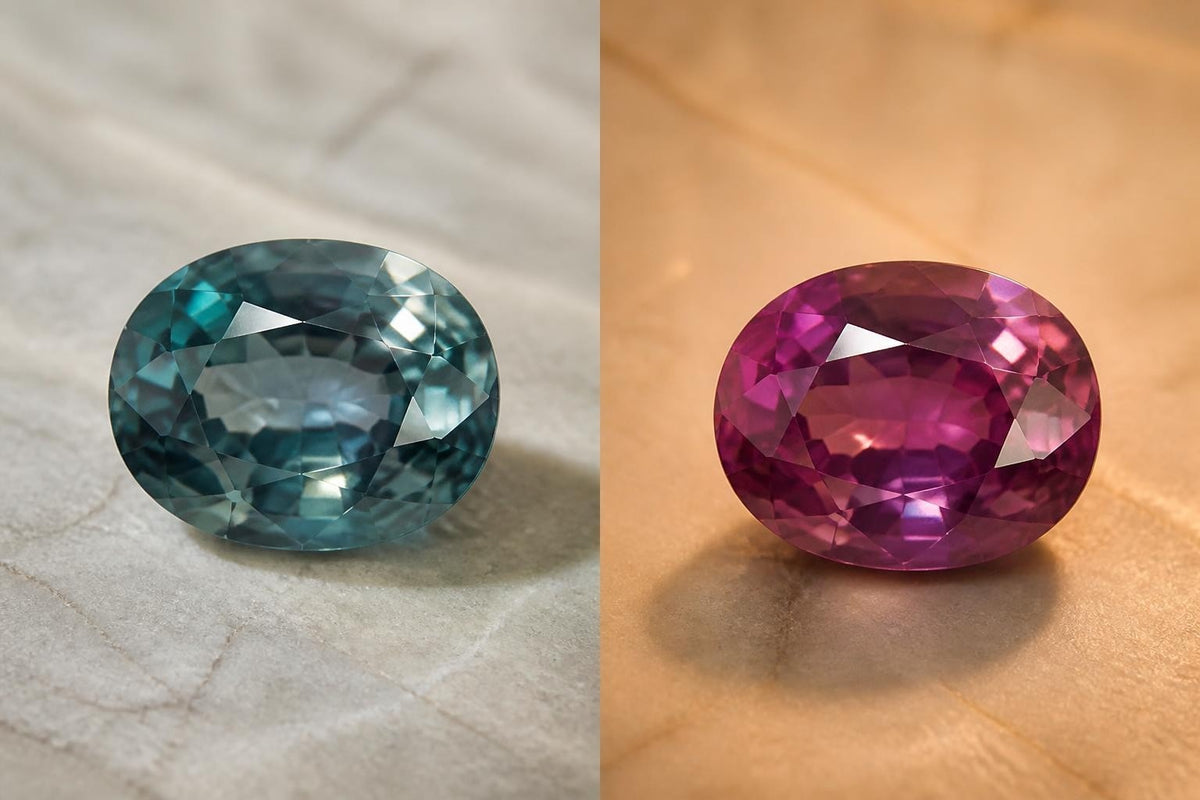
The natural alexandrite gemstone stands as one of the most extraordinary and coveted treasures in the world of fine jewelry. This rare chrysoberyl variety captivates collectors and connoisseurs with its remarkable ability to change color under different lighting conditions, shifting from verdant greens in daylight to rich purples and reds under incandescent light. First discovered in Russia's Ural Mountains in the 1830s, this phenomenal gemstone continues to command exceptional prices and admiration in 2026, making it an essential consideration for those seeking truly distinctive pieces for their collections.
The Scientific Foundation of Alexandrite's Color-Change Phenomenon
The natural alexandrite gemstone derives its extraordinary optical properties from its unique chemical composition and crystal structure. As a variety of chrysoberyl (BeAl₂O₄), alexandrite contains trace amounts of chromium that create its distinctive color-change effect, technically known as the alexandrite effect or metamerism.
Chemical Composition and Formation
Alexandrite forms under highly specific geological conditions that rarely occur in nature. The gemstone requires the simultaneous presence of beryllium, aluminum, and chromium in the same environment, which explains its extreme rarity.
| Element | Role in Alexandrite |
|---|---|
| Beryllium | Primary structural component |
| Aluminum | Core crystal matrix element |
| Chromium | Creates color-change phenomenon |
| Iron | May influence color saturation |
The chromium content, typically ranging from 0.1% to 1%, acts as the chromophore responsible for the gemstone's color transformation. This element absorbs light in specific wavelengths, transmitting different colors depending on the light source's spectral distribution. Encyclopaedia Britannica offers a detailed article on alexandrite, discussing its mineralogical characteristics and the complex interplay of elements that create its unique properties.
Understanding the Alexandrite Effect
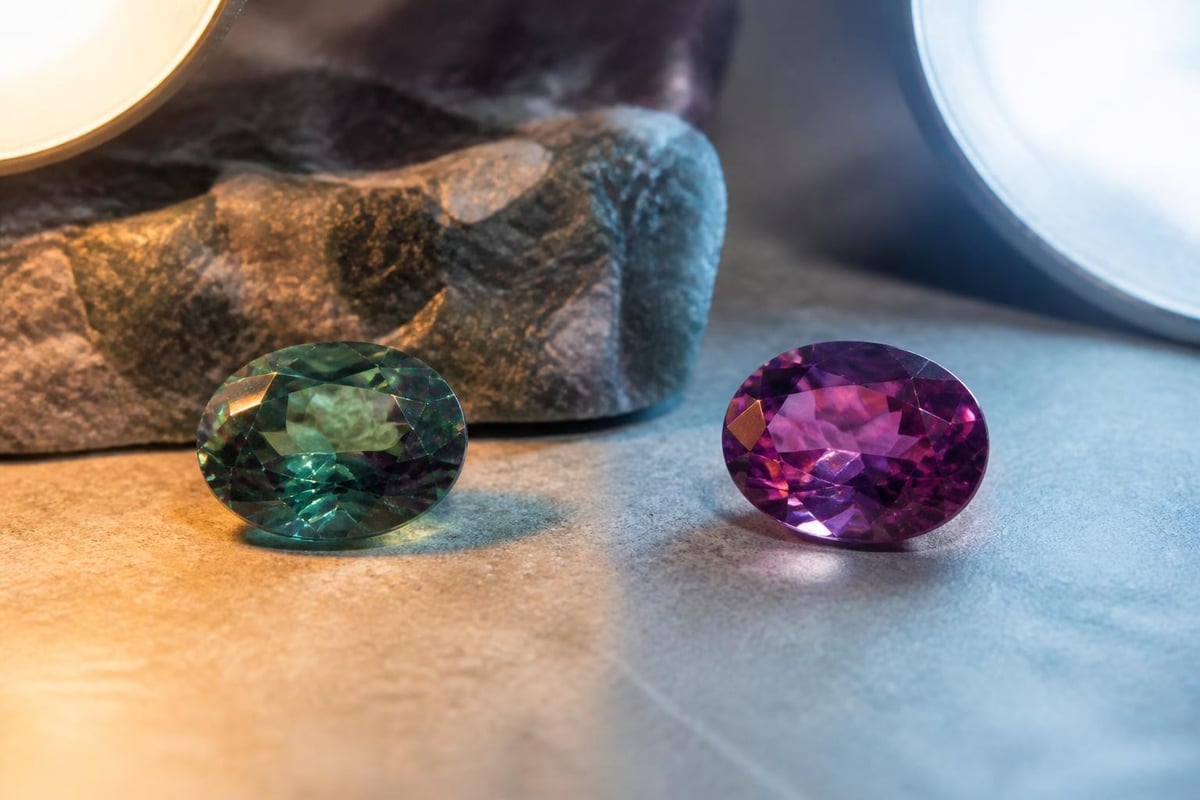
The alexandrite effect represents one of nature's most sophisticated optical phenomena. Under daylight or fluorescent lighting, which contains more blue and green wavelengths, the natural alexandrite gemstone appears predominantly green to blue-green. When illuminated by incandescent light, rich in red wavelengths, the same stone transforms to display purplish-red to raspberry hues.
Key factors influencing color change:
- Intensity of chromium concentration
- Quality and type of light source
- Viewing angle and stone orientation
- Presence of additional trace elements
The percentage of color change directly impacts the gemstone's value, with stones exhibiting 100% transformation commanding premium prices in the market.
Geographic Origins and Mining Locations
The natural alexandrite gemstone's discovery story begins in 1834 when Finnish mineralogist Nils Gustaf Nordenskiöld identified the gem in Russia's Ural Mountains. The stone was allegedly named in honor of the future Tsar Alexander II, though this historical connection remains partially documented.
Primary Source Locations
Russia (Ural Mountains): The original and most historically significant source, though largely depleted by the mid-20th century. Russian alexandrites set the standard for quality with their exceptional color change and clarity.
Brazil: Currently the most important commercial source, particularly from the states of Minas Gerais, Bahia, and Espírito Santo. Brazilian stones often display excellent color change but may contain more visible inclusions.
Sri Lanka: Produces alexandrites with lighter tones and subtle color shifts, typically from yellowish-green to pinkish-brown. This resource outlines the primary sources of alexandrite, detailing its discovery in Russia and subsequent finds in Sri Lanka and Brazil.
East Africa: Tanzania, Madagascar, and Zimbabwe have emerged as significant sources since the 1980s, offering stones with varying characteristics.
| Source | Typical Color Change | Market Position |
|---|---|---|
| Russia | Green to Red-Purple | Highest Value |
| Brazil | Blue-Green to Purple | Strong Commercial |
| Sri Lanka | Yellow-Green to Pink-Brown | Moderate Value |
| Tanzania | Green to Red | Growing Importance |
Evaluating Quality and Value Factors
When assessing a natural alexandrite gemstone for acquisition, several critical factors determine its desirability and investment potential. The gemstone's rarity already positions it among the most valuable colored stones, but specific characteristics dramatically influence pricing.
Color Change Intensity
The strength and completeness of color transformation represent the single most important value determinant. Exceptional specimens display a nearly complete shift from saturated green in daylight to intense red or purple-red under incandescent light.
- 100% change: Museum-quality pieces, extremely rare
- 75-99% change: Excellent commercial stones
- 50-74% change: Good quality, collectible
- Below 50%: Lower commercial grade
Clarity Considerations
Unlike diamonds, where flawless stones are highly prized, natural alexandrite gemstones almost invariably contain inclusions. Gemporia's learning library provides insights into alexandrite's discovery, naming, and its esteemed status among gem enthusiasts who appreciate its natural characteristics.
Common inclusion types:
- Needle-like rutile formations
- Two-phase liquid inclusions
- Fingerprint patterns
- Crystal inclusions
Eye-clean alexandrites above one carat command extraordinary premiums, as most specimens show at least minor visible characteristics under standard viewing conditions.
Carat Weight and Size Rarity
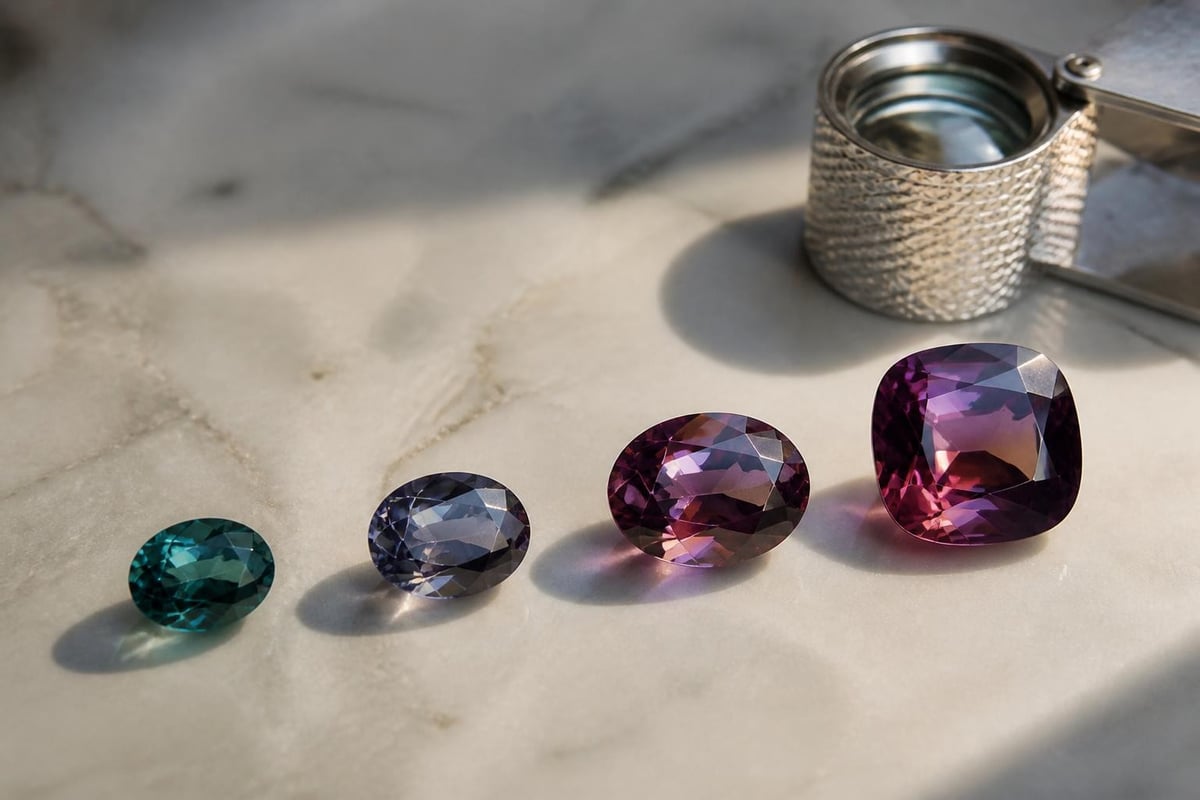
The natural alexandrite gemstone rarely occurs in larger sizes, making stones above three carats exceptionally valuable. Price per carat increases exponentially rather than linearly with size.
| Carat Range | Relative Availability | Value Multiplier |
|---|---|---|
| Under 0.5ct | Most Common | 1x |
| 0.5-1.0ct | Available | 2-3x |
| 1.0-2.0ct | Scarce | 4-6x |
| 2.0-5.0ct | Rare | 8-15x |
| Above 5.0ct | Extremely Rare | 20x+ |
Contemporary Applications in Fine Jewelry
In 2026, the natural alexandrite gemstone experiences renewed appreciation among discerning collectors and jewelry enthusiasts. La Maison Val D'or's curated collections showcase how this remarkable gemstone integrates into contemporary designs while honoring its historical significance.
Setting Styles and Metal Choices
Alexandrite's color-changing nature requires thoughtful consideration in jewelry design. The setting must allow light to interact with the stone from multiple angles while providing secure protection for this valuable gem.
Preferred setting styles:
- Platinum or white gold for neutral color presentation
- Yellow gold for warmth that enhances red tones
- Open-back settings to maximize light transmission
- Bezel or semi-bezel for protection with visibility
Design Considerations for Maximum Effect
Creating jewelry that showcases the natural alexandrite gemstone's unique properties demands expertise in both gemology and design principles. The piece must enable viewers to appreciate the color change while maintaining structural integrity.
Strategic placement in rings, pendants, and earrings allows the wearer to observe the transformation throughout daily activities. Solitaire designs remain popular, though contemporary artisans increasingly incorporate alexandrite into more complex compositions. For those interested in loose precious stones for custom projects, understanding these design principles proves essential.
Investment Potential and Market Trends
The natural alexandrite gemstone market demonstrates consistent strength in 2026, driven by increasing rarity and growing collector demand. Unlike fashion-driven gemstones, alexandrite maintains value based on fundamental scarcity and unchanging optical phenomena.
Price Trajectory Analysis
Over the past decade, fine-quality alexandrite prices have appreciated an average of 8-12% annually, outpacing many traditional investment vehicles. This growth reflects both diminishing supply from historical sources and expanding interest from emerging markets.
Factors supporting value growth:
- Depletion of major deposits
- Increasing difficulty in mining operations
- Rising global wealth creating new collectors
- Limited synthetic competition in fine jewelry market
This guide discusses alexandrite's quality and value factors, including the significance of its color change and rarity, providing context for market positioning.
Authentication and Certification Importance
Given the natural alexandrite gemstone's exceptional value, professional certification from recognized gemological laboratories becomes non-negotiable for significant purchases. Reputable laboratories provide detailed analysis of color change, origin determination when possible, and confirmation of natural versus synthetic origin.
Essential certification elements:
- Natural origin verification
- Color change percentage documentation
- Treatment disclosure
- Measurements and carat weight
- Clarity grade assessment
Distinguishing Natural from Synthetic Alexandrites
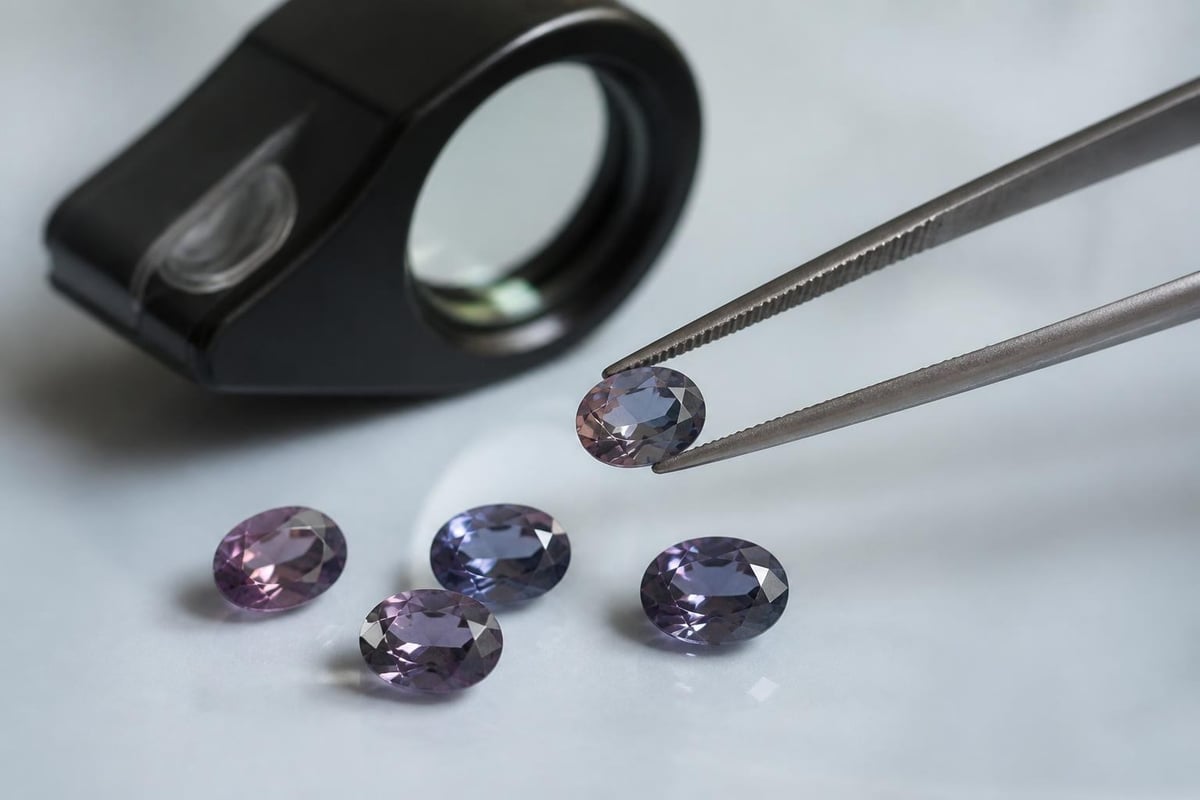
The development of synthetic alexandrite began in the 1960s, creating gemstones that possess the same chemical composition and crystal structure as natural specimens. However, several characteristics enable gemologists to differentiate between natural and laboratory-created stones.
Identification Methods
Professional gemologists employ multiple techniques to authenticate natural alexandrite gemstones, combining visual examination with advanced instrumentation.
| Test Method | Natural Indicators | Synthetic Indicators |
|---|---|---|
| Microscopy | Natural inclusions | Curved growth lines |
| Spectroscopy | Characteristic absorption | Different patterns |
| Fluorescence | Variable response | Stronger red glow |
| Refractive Index | 1.746-1.755 | Precise 1.746-1.755 |
Advanced techniques such as those explored in gemstone classification research demonstrate how technology assists in authentication, though expert human evaluation remains irreplaceable for nuanced assessment.
Treatment and Enhancement Disclosure
Unlike many colored gemstones, natural alexandrite gemstones typically receive no enhancement treatments. The stone's extreme hardness (8.5 on Mohs scale) and natural beauty make treatment unnecessary and potentially value-diminishing.
Standard practices:
- Cutting and polishing only
- No heat treatment
- No diffusion processes
- No fracture filling
Any deviation from these norms requires full disclosure and significantly impacts valuation.
Care and Maintenance Guidelines
The natural alexandrite gemstone's exceptional durability makes it suitable for daily wear, though proper care ensures long-term beauty and value preservation. Understanding appropriate cleaning methods and storage practices protects this investment.
Cleaning Protocols
Safe cleaning methods:
- Warm water with mild dish soap
- Soft brush for gentle scrubbing
- Ultrasonic cleaning (with caution)
- Professional steam cleaning acceptable
Methods to avoid:
- Harsh chemical cleaners
- Abrasive materials
- Prolonged exposure to extreme heat
- Acids or alkaline solutions
Storage Recommendations
Despite its hardness, alexandrite can scratch softer gemstones and be scratched by harder materials like diamond or corundum. Individual storage prevents damage and preserves polish.
- Separate compartments in jewelry boxes
- Soft cloth pouches for individual pieces
- Climate-controlled environments
- Away from direct sunlight for extended periods
Historical Significance and Cultural Context
The natural alexandrite gemstone carries rich historical associations extending beyond its geological fascination. Russian imperial connections and 19th-century discovery circumstances imbue the stone with romantic appeal that enhances its desirability among collectors.
Imperial Russian Heritage
The gemstone's discovery during Nicholas I's reign and purported naming for his son Alexander II created lasting associations with Russian royalty. While historical documentation of the naming remains incomplete, the connection to imperial Russia persists in collector consciousness.
This heritage contributes to the particularly high values placed on Russian-origin specimens, even when Brazilian or African stones display equivalent or superior color change. Provenance significantly influences market positioning for historically important pieces.
Modern Birthstone Designation
In contemporary contexts, alexandrite serves as one of three birthstones for June, alongside pearl and moonstone. This designation, established in 1952 by the Jewelry Industry Council, increased alexandrite's visibility in consumer markets while maintaining its position as the rarest and most valuable option for June celebrants.
Emerging Market Dynamics in 2026
The natural alexandrite gemstone market continues evolving as new technologies, mining developments, and collector preferences shape demand and availability. Understanding these trends provides context for acquisition decisions and portfolio strategy.
Technological Advances in Detection
Modern gemological laboratories employ increasingly sophisticated analysis methods, ensuring greater confidence in natural origin determination. These advances protect consumers while supporting legitimate value premiums for natural stones over synthetic alternatives.
Spectroscopic analysis, advanced microscopy, and chemical testing protocols provide definitive authentication for most specimens. This technological progress reinforces market stability by reducing fraud risk and supporting transparent transactions.
Sustainable Sourcing Considerations
Contemporary collectors increasingly prioritize ethical sourcing and environmental responsibility in gemstone acquisition. Responsible mining operations, fair labor practices, and environmental stewardship influence purchasing decisions for discerning clients.
Key sustainability factors:
- Mine operation transparency
- Community impact documentation
- Environmental restoration efforts
- Chain of custody verification
These considerations complement traditional quality assessment, creating multi-dimensional value propositions for conscientious collectors seeking fine jewelry pieces that align with personal values.
Integration in Contemporary Collections
The natural alexandrite gemstone's versatility enables integration across diverse jewelry styles, from classical solitaires to avant-garde contemporary designs. In 2026, designers increasingly explore innovative applications that showcase the stone's unique optical properties while respecting its rarity and value.
Paired Stone Compositions
Combining alexandrite with complementary gemstones creates dynamic pieces that emphasize color relationships. White diamonds provide neutral contrast, allowing the alexandrite's transformation to command attention. Colored gemstones like sapphire or emerald create more complex chromatic interactions.
Heirloom Creation and Legacy Planning
Given the natural alexandrite gemstone's combination of rarity, durability, and timeless appeal, it serves exceptionally well in heirloom jewelry intended for multi-generational transmission. Unlike trendy materials that may lose relevance, alexandrite's fundamental scarcity ensures enduring value and significance.
Creating custom pieces with documented provenance, detailed certification, and thoughtful design establishes meaningful legacies that appreciate both sentimentally and financially over time.
The natural alexandrite gemstone represents the pinnacle of rare colored stone collecting, offering exceptional beauty, remarkable optical phenomena, and solid investment potential for discerning collectors. Whether you seek a spectacular centerpiece for a custom creation or wish to add museum-quality specimens to your collection, La Maison Val D'or provides expert guidance and access to the finest natural alexandrite gemstones available in 2026, ensuring your acquisition meets the highest standards of quality, authenticity, and timeless elegance.