
Lab Grown Diamonds Ring: Complete 2026 Buyer's Guide
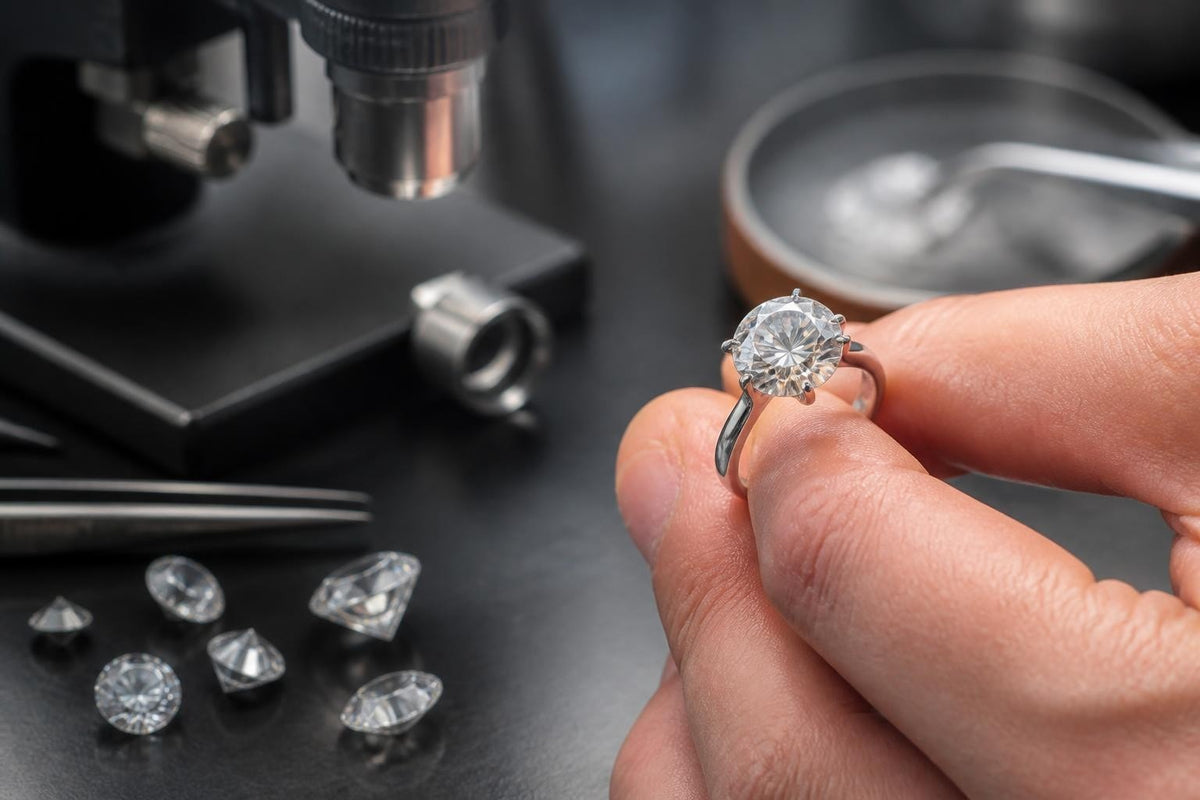
The modern jewelry market has experienced a remarkable transformation as consumers increasingly embrace scientifically created gemstones for their most precious pieces. A lab grown diamonds ring represents the perfect intersection of technological innovation, environmental consciousness, and timeless beauty. These rings feature diamonds that are chemically, physically, and optically identical to their earth-mined counterparts, yet they offer distinct advantages in transparency, pricing, and ethical sourcing. Whether you're selecting an engagement ring or adding to a fine jewelry collection, understanding the nuances of laboratory-created diamonds ensures you make an informed decision that aligns with both your values and aesthetic preferences.
Understanding Lab-Grown Diamond Technology
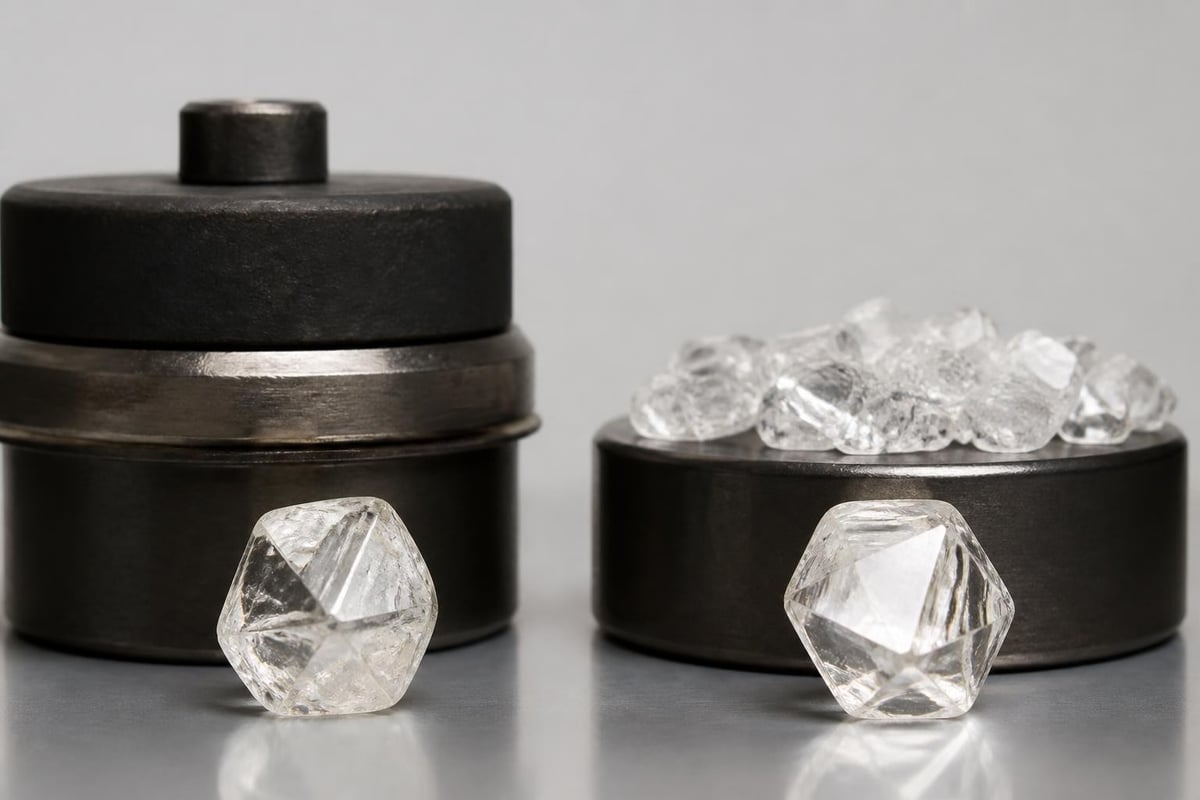
Laboratory-created diamonds are grown using two primary methods that replicate the natural conditions found deep within the Earth's mantle. The High Pressure High Temperature (HPHT) process mimics the geological forces that create natural diamonds, while Chemical Vapor Deposition (CVD) uses a plasma reactor to deposit carbon atoms layer by layer onto a diamond seed.
Both methods produce genuine diamonds with the same crystal structure as mined stones. Forbes confirms that lab-grown diamonds possess identical physical, chemical, and optical properties to natural diamonds, making them indistinguishable without specialized equipment. The growing process typically takes several weeks to months, depending on the desired carat weight and quality specifications.
The Science Behind Authenticity
When examining a lab grown diamonds ring under professional gemological equipment, experts find the same hardness rating of 10 on the Mohs scale, the same refractive index of 2.42, and the same dispersion that creates diamond's signature fire and brilliance. The only differences exist at the microscopic level, where growth patterns may reveal the diamond's origin to trained gemologists using specialized instruments.
Key characteristics of lab-grown diamonds:
- Identical carbon atom structure to natural diamonds
- Same thermal conductivity and electrical properties
- Equivalent durability for daily wear
- Comparable brilliance and light performance
- Genuine diamond classification by all gemological institutes
Market Trends and Consumer Preferences in 2026
The acceptance and demand for laboratory-created diamond jewelry have surged dramatically over recent years. Recent industry data shows that 61% of engagement rings in 2025 featured lab-grown center stones, marking a significant shift in consumer purchasing behavior. This trend continues to accelerate in 2026 as younger buyers prioritize transparency, sustainability, and value.
Financial considerations play a substantial role in this market evolution. A lab grown diamonds ring typically costs 60-80% less than a comparable natural diamond ring of equivalent quality, allowing purchasers to maximize their budget. This price advantage enables buyers to select larger carat weights, superior clarity grades, or more elaborate settings while maintaining budget parameters.
Demographics Driving the Shift
Millennial and Generation Z consumers demonstrate particular enthusiasm for laboratory-created options, with surveys indicating that environmental impact and ethical sourcing rank among their top purchasing considerations. Professional couples often allocate the price difference toward other life priorities such as home purchases, travel experiences, or investment portfolios.
| Consumer Priority | Natural Diamonds | Lab-Grown Diamonds |
|---|---|---|
| Environmental Impact | Higher concern | Lower concern |
| Price Flexibility | Limited | Significant |
| Transparency | Variable | Complete |
| Size Options | Budget-constrained | Budget-flexible |
| Ethical Sourcing | Complex verification | Fully traceable |
Quality Assessment and Certification Standards
Evaluating a lab grown diamonds ring requires the same rigorous standards applied to natural diamond jewelry. The Four Cs-Cut, Color, Clarity, and Carat-determine value and appearance regardless of origin. Reputable jewelers provide comprehensive certification from recognized gemological laboratories to verify each diamond's specifications.
Cut quality remains the most influential factor affecting a diamond's visual appeal. An expertly cut diamond maximizes light return, creating exceptional brilliance and fire. Color grading ranges from D (colorless) to Z (light yellow or brown), with D-F grades commanding premium pricing. Understanding certification standards helps buyers verify they receive accurate quality representations.
Certification Bodies and Their Importance
The Gemological Institute of America (GIA), International Gemological Institute (IGI), and other respected laboratories grade lab-grown diamonds using identical standards applied to natural stones. IGI certification for lab-grown diamonds has become particularly prevalent, as this institution developed specialized expertise in grading laboratory-created stones. Certificates document precise measurements, clarity characteristics, color grade, and cut quality.
What your certification should include:
- Detailed diamond measurements and proportions
- Clarity grade with plotting diagram
- Color grade assessment
- Cut grade evaluation
- Fluorescence characteristics
- Clear identification as laboratory-grown
- Unique report number for verification
Design Considerations for Ring Settings
Selecting the perfect setting for a lab grown diamonds ring involves balancing personal style, lifestyle requirements, and budget allocation. The diamond's quality specifications should guide setting selection, as certain designs enhance specific diamond shapes and sizes while providing appropriate security and protection.
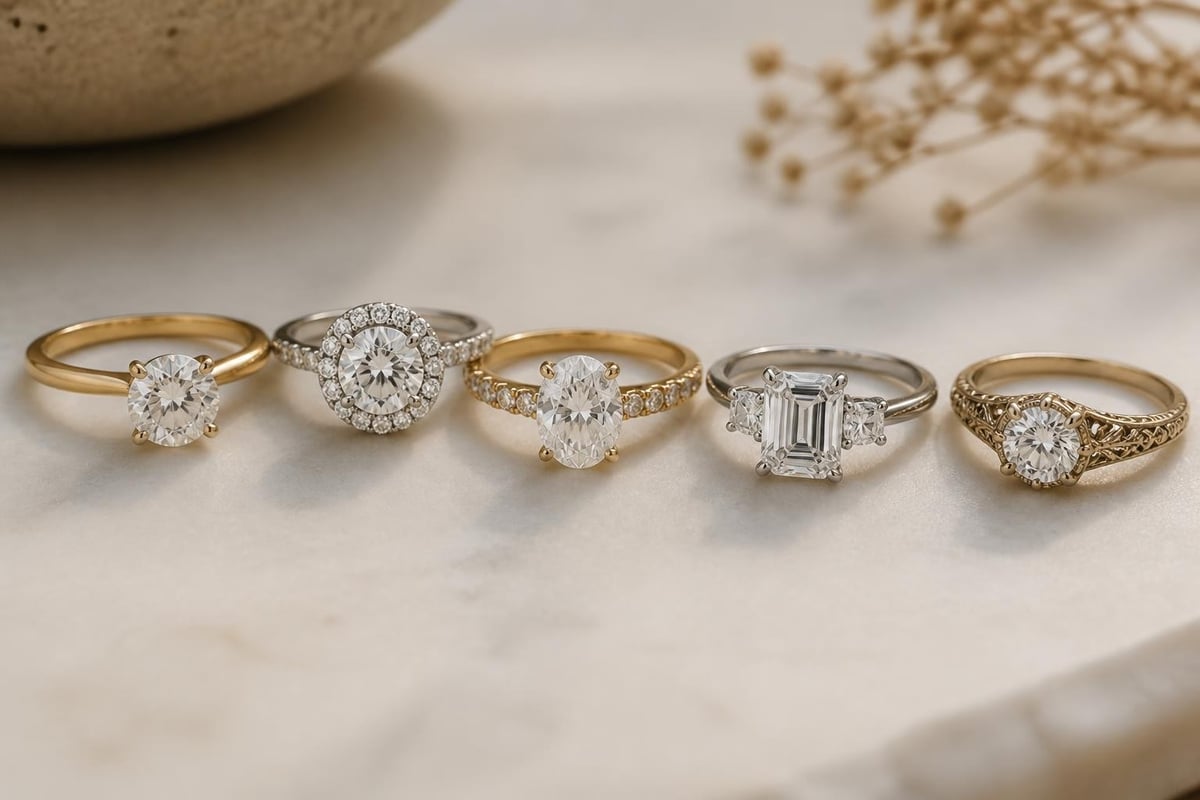
Popular setting styles include solitaire, halo, pavé, three-stone, and vintage-inspired designs. Engagement ring settings each offer distinct aesthetic characteristics and practical considerations. A solitaire mounting showcases the diamond's inherent beauty with minimal distraction, while halo settings create the appearance of a larger center stone through surrounding accent diamonds.
Metal Selection and Diamond Pairing
The metal chosen for your ring band significantly impacts the overall appearance and durability of the piece. Platinum offers maximum durability and hypoallergenic properties, while white gold provides a similar aesthetic at a lower price point. Yellow gold and rose gold create warm, romantic appearances that complement certain skin tones beautifully.
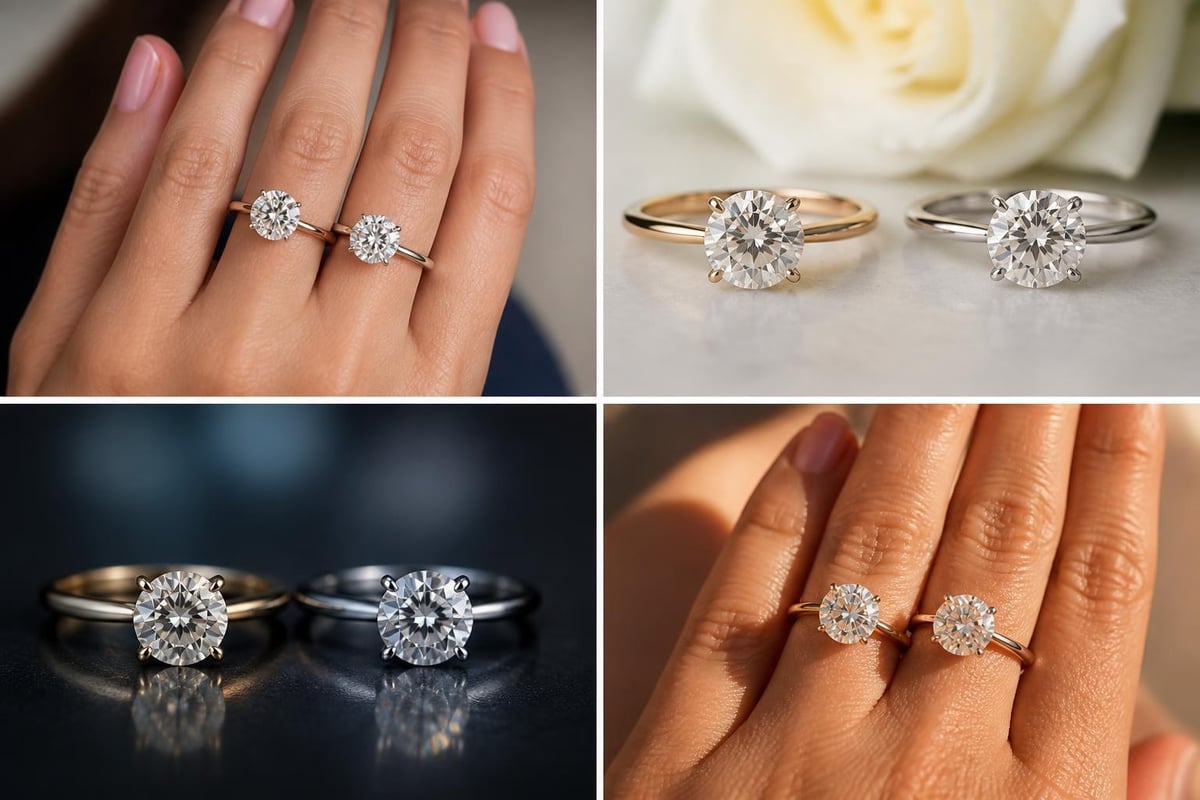
Consider how metal color interacts with diamond color grades. Near-colorless diamonds (G-H grades) may show slight warmth when set in platinum or white gold, while they appear perfectly white in yellow or rose gold settings. This knowledge allows strategic pairing that maximizes visual appeal while potentially reducing diamond costs.
Price Comparison and Value Proposition
Understanding the financial aspects of purchasing a lab grown diamonds ring empowers educated decision-making. Laboratory-created diamonds consistently cost 60-80% less than natural diamonds of comparable specifications, creating substantial budget flexibility. This price difference stems from shorter supply chains, controlled production environments, and absence of mining-related expenses.
For example, a one-carat, VS1 clarity, G color, excellent cut lab-grown diamond might retail for $1,800-$2,500, while a comparable natural diamond commands $6,000-$8,000. This differential allows purchasers to either save significantly or redirect funds toward superior quality grades, larger carat weights, or more elaborate settings.
Long-Term Value Considerations
While natural diamonds have historically maintained resale value through scarcity and tradition, the resale market for lab-grown diamonds remains developing. Most fine jewelry purchases, particularly engagement rings, represent emotional rather than investment purchases. Consumers prioritizing immediate beauty, ethical sourcing, and budget efficiency find exceptional value in laboratory-created options.
The rapid technological advancement in diamond synthesis suggests production costs may continue declining, potentially affecting future pricing. However, this trajectory simultaneously improves quality consistency and availability, benefiting consumers seeking specific diamond characteristics.
Ethical and Environmental Advantages
A lab grown diamonds ring offers compelling advantages for environmentally conscious consumers. Traditional diamond mining requires excavating massive quantities of earth, consuming substantial water resources, and generating significant carbon emissions. Laboratory creation eliminates these environmental impacts while providing complete supply chain transparency.
The Country Life investigation into mined versus synthetic diamonds confirms their chemical identity while highlighting the ethical considerations driving consumer choices. Laboratory facilities operate under regulated conditions with verifiable labor practices, eliminating concerns about mining-related human rights issues.
Environmental benefits include:
- Minimal land disruption
- Reduced water consumption
- Lower carbon footprint
- No ecosystem destruction
- Fully traceable supply chain
- Transparent labor conditions
Beyond environmental factors, laboratory creation enables guaranteed conflict-free sourcing. The complete production oversight ensures every diamond's origin and manufacturing conditions meet ethical standards without requiring complex verification systems.
Shopping Strategy for Lab-Grown Diamond Rings
Successful purchasing begins with establishing clear priorities and budget parameters. Determine which of the Four Cs matter most for your specific needs. Comprehensive guides on buying lab-grown diamond engagement rings provide frameworks for evaluating options and making confident decisions.
Prioritizing the Four Cs
Most gemologists recommend prioritizing cut quality above other factors, as superior cutting maximizes brilliance regardless of slight variations in color or clarity. A well-cut G color, VS2 clarity diamond appears more beautiful than a poorly cut D color, VVS1 stone. Understanding premium grades like D VVS1 helps contextualize when such specifications provide meaningful benefits versus marketing appeal.
Strategic allocation approach:
- Cut: Always select excellent or ideal grades
- Color: G-H grades offer optimal value in white metals
- Clarity: VS1-VS2 provides eye-clean appearance
- Carat: Maximize size after optimizing other factors
Consider visiting reputable jewelers who specialize in both natural and laboratory-created diamonds. This approach ensures unbiased guidance based on your specific preferences rather than inventory priorities. La Maison Val D'or's curated collections exemplify the quality and selection available from established fine jewelry specialists.
Care and Maintenance Requirements
A lab grown diamonds ring requires identical care protocols as natural diamond jewelry. Diamonds are exceptionally durable but not indestructible. Regular cleaning, professional inspections, and protective storage ensure your ring maintains its beauty for generations.
Clean your ring weekly using warm water, mild dish soap, and a soft brush. Avoid harsh chemicals, ultrasonic cleaners without professional supervision, and wearing rings during activities involving impact or abrasive materials. Schedule professional inspections every six months to verify prong security and identify potential issues before damage occurs.
Professional Services and Warranties
Reputable jewelers offer comprehensive warranties covering manufacturing defects and providing professional cleaning services. Some warranties include sizing adjustments, prong retipping, and rhodium plating for white gold settings. Understanding warranty terms before purchase prevents future surprises and ensures long-term satisfaction.
Insurance coverage for a lab grown diamonds ring follows the same principles as natural diamond jewelry. Obtain professional appraisals documenting replacement value and specific diamond characteristics. Specialized jewelry insurance or scheduled personal property endorsements provide optimal protection against loss, theft, or damage.
Comparing Lab-Grown Versus Natural Diamonds
The decision between laboratory-created and natural diamonds ultimately reflects personal values, priorities, and circumstances. Detailed comparisons between lab-grown and natural diamonds reveal that both options offer distinct advantages depending on individual preferences.
Natural diamonds carry historical significance, geological rarity, and established resale markets. Their formation over billions of years creates romantic appeal for some buyers. However, this rarity comes with premium pricing and potential ethical concerns requiring careful vendor selection.
Laboratory-created diamonds provide identical beauty, guaranteed ethical sourcing, and superior value. Forbes' guide to the best lab-grown diamonds highlights reputable retailers offering exceptional quality and service. The controlled creation process enables consistent quality and specific characteristic selection unavailable with natural stones.
Making Your Personal Decision
Neither option is objectively superior-the right choice depends on your specific circumstances and values. Consider these questions when deciding:
- Does geological origin carry emotional significance for you?
- How important is budget flexibility versus tradition?
- Do environmental and ethical factors influence your decision?
- Will you prioritize size, quality, or balanced specifications?
- Does resale value matter for your purchase?
Many couples discover that laboratory-created diamonds align perfectly with their values while providing exceptional beauty and value. Others find that natural diamonds better suit their preferences. The modern jewelry market accommodates both perspectives with transparent information enabling confident choices.
Styling and Fashion Considerations
A lab grown diamonds ring offers unlimited styling possibilities across formal and casual contexts. The versatility of diamond jewelry makes it appropriate for daily wear, special occasions, and everything between. Understanding how to integrate your ring into various wardrobes maximizes enjoyment and utility.
Styling recommendations:
- Professional settings: Classic designs complement business attire without overwhelming
- Casual wear: Simple solitaires transition seamlessly from jeans to dresses
- Formal events: Halo or pavé settings add glamour for evening occasions
- Active lifestyles: Bezel or channel settings provide extra stone security
Consider stacking and layering opportunities when selecting your ring design. Complementary jewelry pieces like tennis necklaces or stud earrings create cohesive looks for special occasions. Many wearers appreciate versatile designs that stand beautifully alone or coordinate with additional pieces.
Future Innovations and Technology Advances
The laboratory diamond industry continues advancing rapidly, with ongoing research improving production efficiency, quality consistency, and special characteristics. Scientific applications extend beyond jewelry, with research into phosphorescence properties and quantum sensing applications demonstrating the versatility of synthetic diamonds.
These technological advances benefit jewelry consumers through improved quality control, expanded color options including fancy colors, and potential future price reductions. Some manufacturers now produce fancy colored lab-grown diamonds in vivid blues, pinks, and yellows at fractions of natural colored diamond costs.
Industry Outlook Through 2026
Market analysts project continued growth in laboratory-created diamond market share throughout 2026 and beyond. As production scales and consumer awareness increases, laboratory diamonds will likely become the predominant choice for engagement rings and fine jewelry among younger demographics. This shift encourages traditional jewelers to expand laboratory-created offerings and develop expertise in this category.
Innovation in setting designs specifically optimized for laboratory diamonds may emerge as designers recognize opportunities to create pieces that maximize these stones' unique advantages. The combination of traditional craftsmanship with modern materials creates exciting possibilities for contemporary jewelry design.
Choosing a lab grown diamonds ring represents a thoughtful decision balancing beauty, value, and personal ethics in ways that align with modern sensibilities. The identical physical properties, superior pricing, and guaranteed ethical sourcing create compelling advantages for discerning jewelry buyers. La Maison Val D'or offers expertly curated collections featuring exceptional laboratory-created diamonds set in timeless designs that showcase both quality craftsmanship and contemporary values. Explore our fine jewelry collections to discover pieces that combine scientific innovation with traditional elegance, ensuring your ring selection reflects both exceptional taste and informed decision-making.