When selecting fine jewelry, understanding the terminology that defines gemstone value is essential for making informed decisions. The designation "ct" appears frequently on jewelry certificates and price tags, representing carat weight-a fundamental metric that significantly influences both the value and visual impact of precious stones. For discerning collectors and jewelry enthusiasts, comprehending what ct gemstones truly represent extends far beyond a simple number, encompassing considerations of rarity, proportion, and overall quality that distinguish exceptional pieces from ordinary ones.
Understanding Carat Weight in Gemstones
The carat serves as the universal standard for measuring gemstone weight, with one carat equaling precisely 200 milligrams or 0.2 grams. This metric applies to all precious and semi-precious stones, providing a consistent framework for evaluating gemstones across different types and origins. When you encounter ct gemstones in jewelry descriptions, this abbreviation refers to the individual weight of a single stone or the combined weight of multiple stones in a piece.
The carat measurement system has historical origins dating back to ancient civilizations that used carob seeds as counterweights due to their remarkably uniform mass. Today's standardized carat weight ensures precision in the global gemstone market, allowing buyers and sellers to communicate with clarity and confidence.
Single Stone vs. Total Carat Weight
Understanding the distinction between individual stone weight and total weight measurements is crucial when evaluating fine jewelry pieces. A single ct gemstone listing indicates the weight of one specific stone, while designations like "ct tw" or "cttw" refer to the combined weight of all gemstones in a piece.
Key measurement terms include:
- CT: Carat weight of a single gemstone
- CT TW: Carat total weight of all stones combined
- CTTW: Carat total weight (alternative abbreviation)
- CTW: Another variation of carat total weight
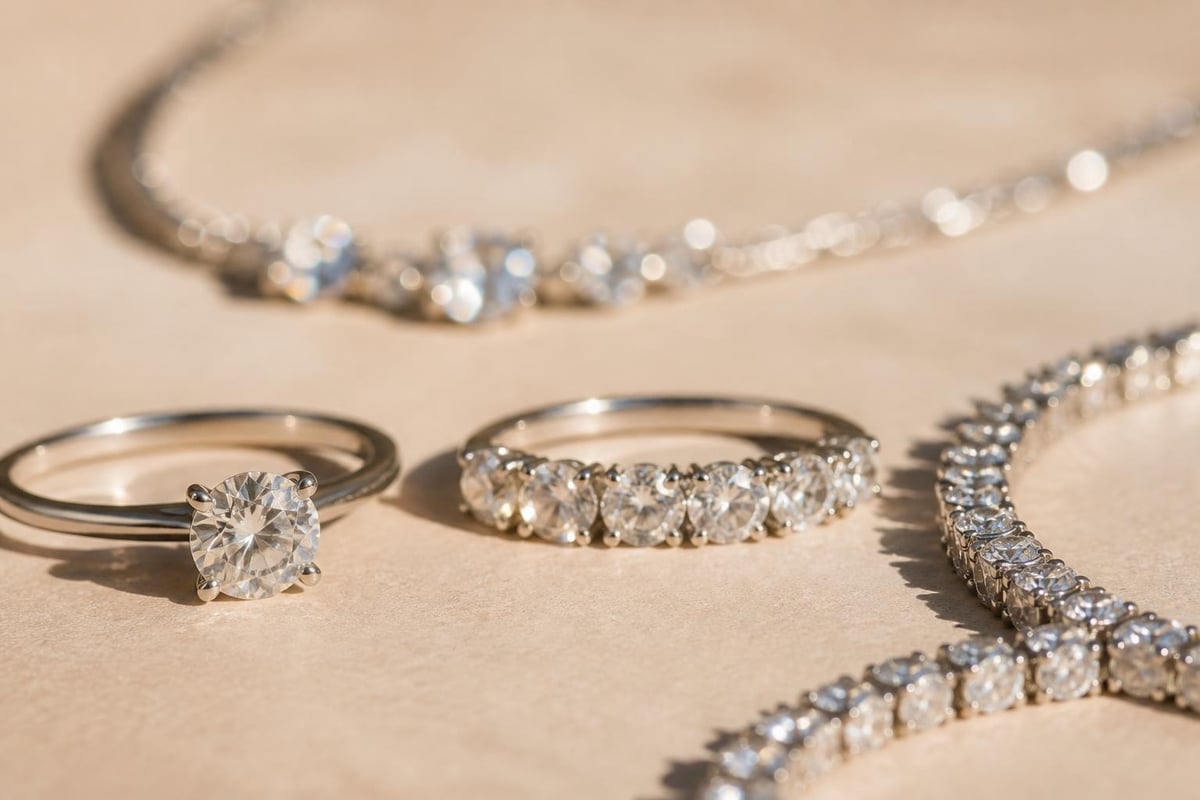
For pieces featuring multiple stones, such as pavé bands or halo settings, understanding the difference between CT and CTTW helps buyers assess the actual size and distribution of gemstones throughout the design.
How Carat Weight Affects Gemstone Value
The relationship between carat weight and value is not linear-larger ct gemstones command disproportionately higher prices per carat than smaller stones of equivalent quality. This pricing structure reflects the increasing rarity of larger gemstones, as nature produces fewer substantial crystals with the clarity and color characteristics desired in fine jewelry.
A two-carat ruby, for example, will cost significantly more than twice the price of a one-carat ruby of comparable quality. This exponential value increase applies across all precious gemstone categories, making carat weight a critical factor in investment-grade jewelry decisions.
The Four C's and Carat Considerations
While carat weight represents an important evaluation criterion, it functions as just one component of comprehensive gemstone assessment. The traditional Four C's-Cut, Color, Clarity, and Carat-work together to determine overall quality and desirability.
| Quality Factor | Impact on Value | Visibility Factor |
|---|---|---|
| Carat Weight | Exponential increase | Immediate visual impact |
| Cut Quality | Affects brilliance | Determines light performance |
| Color Grade | Varies by stone type | Primary aesthetic consideration |
| Clarity | Affects transparency | Visible under magnification |
Superior cut quality can make a smaller ct gemstone appear more brilliant and visually impressive than a larger stone with poor proportions. Similarly, exceptional color saturation or clarity may justify premium pricing regardless of carat weight.
Evaluating CT Gemstones Across Different Stone Types
Different gemstone varieties exhibit unique density characteristics, meaning that ct gemstones of equal weight will vary in physical size depending on the material. A one-carat sapphire appears smaller than a one-carat emerald because sapphire has higher density and therefore greater mass per unit volume.
Density Variations Among Popular Gemstones
Understanding these density differences helps set realistic expectations when selecting ct gemstones for custom designs or comparing stones across different categories.
Comparative densities of popular gemstones:
- Diamond (3.52 g/cm³): Standard reference point
- Ruby/Sapphire (4.00 g/cm³): Appears smaller than diamond at equal carat weight
- Emerald (2.72 g/cm³): Appears larger than diamond at equal carat weight
- Aquamarine (2.68 g/cm³): Notably larger appearance per carat
- Tanzanite (3.35 g/cm³): Similar size to diamond
This variation means that when selecting fine jewelry pieces from curated collections, visual size expectations should account for the specific gemstone type rather than relying solely on carat weight numbers.
Precision in CT Gemstone Measurement
Professional gemological laboratories employ highly calibrated digital scales capable of measuring to one-thousandth of a carat, ensuring accuracy in ct gemstone certification. This precision is essential because even small weight differences can significantly impact value, particularly in larger stones or rare varieties.

Reputable jewelers provide certification from recognized gemological institutes, offering detailed documentation of carat weight alongside other quality characteristics. These certificates serve as permanent records and provide essential information for insurance purposes and future resale.
Certification Standards for CT Gemstones
When purchasing significant ct gemstones, certification from established laboratories provides assurance of accurate measurements and quality grading. Major certification bodies include the Gemological Institute of America (GIA), the American Gem Society (AGS), and the International Gemological Institute (IGI).
Certified reports typically include:
- Precise carat weight to two decimal places
- Detailed measurements in millimeters
- Color grade specific to stone type
- Clarity assessment with plotting diagram
- Cut grade (where applicable)
- Treatment disclosure
Strategic Considerations for CT Gemstone Selection
Savvy jewelry buyers recognize that strategic decisions about carat weight can optimize both aesthetic impact and value retention. Certain weight thresholds, such as 0.50 ct, 1.00 ct, and 2.00 ct, represent psychological pricing points where values increase disproportionately.
Selecting ct gemstones slightly below these thresholds-such as 0.95 ct instead of 1.00 ct-can provide substantial savings while producing virtually identical visual impact. Understanding how total weight affects jewelry pricing helps buyers make informed decisions that balance budget considerations with quality expectations.
Optimal Carat Weights for Different Jewelry Styles
Different jewelry styles showcase ct gemstones most effectively at specific weight ranges, balancing proportion, wearability, and visual impact.
| Jewelry Type | Ideal CT Range | Design Considerations |
|---|---|---|
| Solitaire Rings | 0.75-2.00 ct | Finger proportion, daily wear comfort |
| Stud Earrings | 0.25-1.00 ct per stone | Face frame, weight balance |
| Pendant Necklaces | 0.50-3.00 ct | Chain weight compatibility, visual focus |
| Tennis Bracelets | 0.10-0.25 ct per stone | Flexibility, total weight distribution |
| Cocktail Rings | 3.00-10.00+ ct | Statement impact, occasion appropriateness |
These ranges represent general guidelines, with personal preference and specific design elements ultimately determining optimal selections for individual pieces.
Investment Perspectives on CT Gemstones
From an investment standpoint, larger ct gemstones of exceptional quality represent increasingly rare commodities, particularly for colored stones from historically significant sources. As mining operations deplete traditional deposits, substantial gemstones meeting strict quality criteria become progressively scarcer.
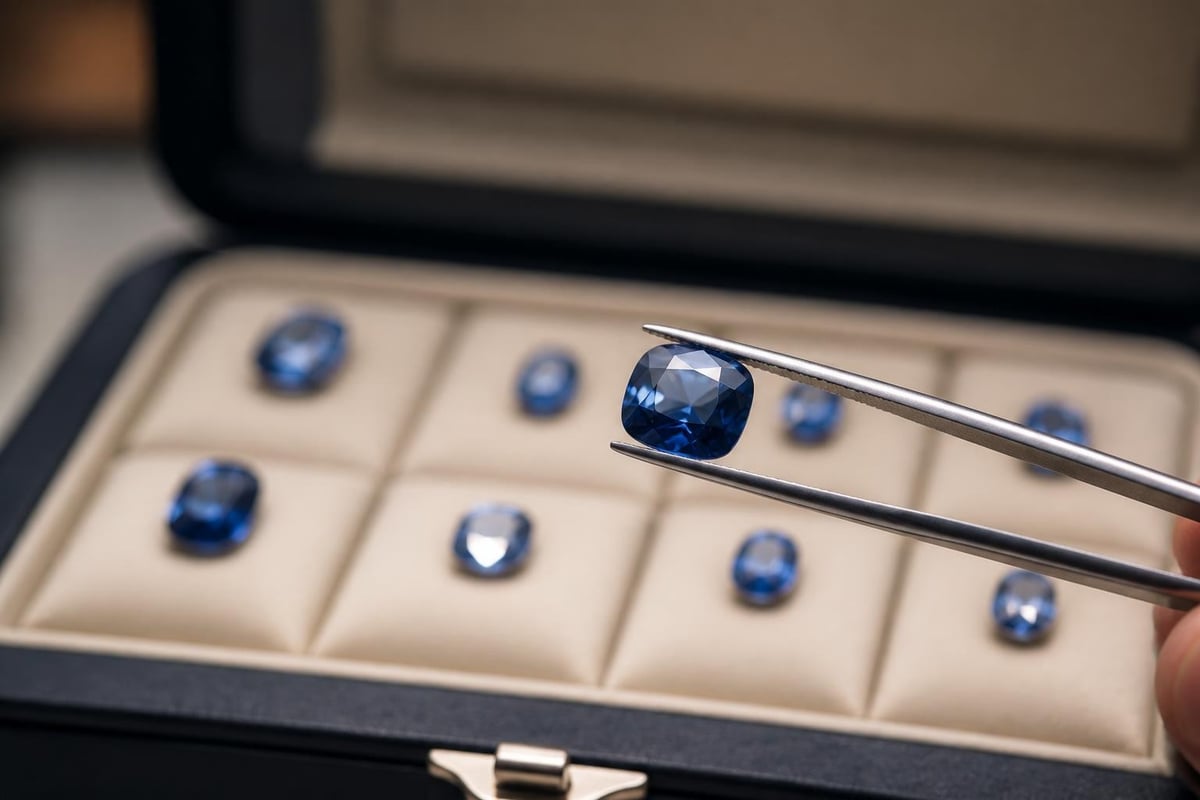
Exploring collections of loose precious stones allows collectors to acquire ct gemstones with specific characteristics before setting them into custom designs, providing flexibility in creating personalized pieces while securing stones with investment potential.
Market Trends in CT Gemstone Pricing
Current market dynamics show particular strength in certain categories of ct gemstones, driven by both scarcity and increasing global demand. Natural, untreated stones command premium pricing, with transparency regarding any enhancements becoming increasingly important to sophisticated buyers.
Categories showing strong value retention:
- Natural untreated rubies exceeding 2.00 ct with vivid color
- Colombian emeralds over 3.00 ct with minimal clarity enhancement
- Kashmir sapphires in any size with verified origin
- Paraíba tourmalines above 1.00 ct from original Brazilian deposits
- Burmese jadeite with imperial color in substantial sizes
Care and Maintenance of CT Gemstones
Proper maintenance ensures that ct gemstones retain their beauty and value over generations. Different stones require specific care approaches based on their hardness, chemical composition, and treatment status. Regular professional cleaning and inspection protect significant investments while maintaining optimal visual presentation.
Harder stones like diamonds, rubies, and sapphires tolerate daily wear exceptionally well, while softer ct gemstones such as emeralds, opals, and pearls require more delicate handling and specialized cleaning methods. Understanding these care requirements helps preserve both aesthetic appeal and long-term value.
Professional Services for Fine Gemstones
Annual professional inspection by qualified jewelers identifies potential issues before they develop into serious problems. These examinations verify that settings remain secure, prongs show no excessive wear, and stones maintain their original luster and condition.
Professional services include:
- Ultrasonic cleaning for durable ct gemstones
- Prong inspection and tightening to prevent stone loss
- Re-polishing to restore surface brilliance
- Setting assessment for structural integrity
- Documentation updates for insurance purposes
Custom Design Opportunities with CT Gemstones
Selecting individual ct gemstones before design finalization enables the creation of truly personalized pieces that reflect specific preferences and priorities. This approach allows buyers to prioritize particular characteristics-whether maximizing carat weight, optimizing color intensity, or ensuring exceptional clarity-based on their unique values and intended use.
Working with curated fine jewelry specialists provides access to both design expertise and carefully selected gemstone inventory, ensuring that custom creations meet exacting standards for quality and craftsmanship. Custom design also offers the advantage of selecting settings that complement and protect specific ct gemstones while maximizing their visual impact.
Matching CT Gemstones to Setting Styles
Different setting styles showcase ct gemstones with varying degrees of security, light return, and visual prominence. The optimal setting choice depends on stone characteristics, intended wear patterns, and aesthetic preferences.
| Setting Type | Best for CT Range | Security Level | Light Performance |
|---|---|---|---|
| Prong | 0.50-5.00 ct | Moderate-High | Maximum brilliance |
| Bezel | 0.25-3.00 ct | Excellent | Reduced light entry |
| Pavé | 0.01-0.15 ct each | High | Collective sparkle |
| Channel | 0.10-0.50 ct each | Excellent | Protected brilliance |
| Halo | Center: 0.50+ ct | High | Enhanced size appearance |
Quality Verification for CT Gemstones
Distinguishing natural ct gemstones from synthetic or treated alternatives requires expert evaluation and appropriate certification. Modern laboratory techniques can create stones that appear virtually identical to natural specimens, making professional verification essential for significant purchases.
Detailed information about CTTW in jewelry helps buyers understand how aggregate weights are calculated and reported, particularly important when evaluating pieces with multiple gemstones where individual stone sizes may vary considerably.
Transparency regarding treatments remains a critical ethical consideration in the gemstone industry. Heat treatment, fracture filling, irradiation, and diffusion all affect both value and care requirements, making complete disclosure essential for informed purchasing decisions.
Common Treatments Affecting CT Gemstones
Understanding prevalent enhancement methods helps buyers assess true value and establish appropriate expectations regarding durability and care requirements.
Widely accepted treatments include:
- Heat treatment for sapphires and rubies (enhances color)
- Oiling for emeralds (fills surface-reaching fissures)
- Low-level irradiation for blue topaz (creates color)
- Controlled heating for tanzanite (develops blue color)
Treatments requiring special care:
- Fracture filling in diamonds and colored stones
- Surface diffusion in corundum
- Polymer impregnation in turquoise and lapis
- Dyeing in pearls and porous materials
Building Collections of CT Gemstones
Sophisticated collectors often acquire ct gemstones systematically, building comprehensive collections that span varieties, origins, or quality grades. This approach develops expertise while creating assemblages that appreciate over time as individual specimens become increasingly scarce.
Whether focusing on a single gemstone type across different sizes and qualities or diversifying across multiple varieties, systematic collection building requires knowledge, patience, and access to reliable sources. Exploring comprehensive jewelry collections provides inspiration for both wearing and collecting fine gemstones.
Documentation and Record Keeping
Maintaining detailed records for each ct gemstone in a collection serves multiple purposes, from insurance documentation to provenance establishment and future sale facilitation. Comprehensive records should include purchase documentation, certification papers, photographs, and maintenance history.
Digital organization systems make collection management efficient while ensuring that critical information remains accessible and secure. Cloud-based storage with appropriate backup protocols protects valuable documentation against loss or damage.
Understanding Value Propositions in CT Gemstones
Calculating total carat weight accurately becomes particularly important when comparing pieces with similar appearances but different stone configurations. A three-stone ring with one center stone of 1.00 ct flanked by two 0.25 ct side stones presents a different value proposition than a piece with three 0.50 ct stones, even though both total 1.50 ct.
The configuration, size graduation, and quality consistency across multiple ct gemstones all influence both aesthetic impact and overall value. Pieces featuring well-matched stones in balanced proportions typically command premium pricing relative to their total carat weight.
Understanding ct gemstones empowers collectors and jewelry enthusiasts to make informed decisions that balance aesthetic preferences with investment considerations and practical wearability. Whether selecting a signature piece for daily wear or building a collection of investment-grade specimens, knowledge of carat weight measurement and its relationship to quality and value provides the foundation for confident purchasing decisions. For those seeking exceptional ct gemstones set in timeless designs, La Maison Val D'or offers curated collections where each piece reflects meticulous attention to quality, proportion, and enduring elegance, guided by expert knowledge and commitment to sourcing only the finest materials.