
The term "d gem" represents the pinnacle of diamond color grading, signifying a completely colorless stone in the Gemological Institute of America's classification system. For collectors and connoisseurs of fine jewelry, understanding this designation opens the door to appreciating the subtle nuances that separate exceptional gemstones from ordinary ones. When evaluating diamonds for investment pieces or heirloom jewelry, the d gem classification serves as a critical benchmark that influences both aesthetic appeal and long-term value.
The D Gem Color Grade Explained
The Gemological Institute of America established the d gem standard as the highest color grade achievable in diamond classification. This system begins at D rather than A to avoid confusion with earlier grading systems that used A, AA, and AAA designations. A d gem exhibits absolutely no color when examined by trained gemologists under controlled lighting conditions and against a white background.
Why D Is the Starting Point
The alphabetic grading scale from D to Z represents increasing levels of color presence in diamonds. Grades D, E, and F fall into the "colorless" category, with d gem stones showing zero detectable color even under professional magnification. The distinction between these top three grades is so subtle that most people cannot discern the difference without specialized training and equipment.
Moving down the scale, G through J grades are considered "near colorless," while K through M show faint yellow tints. Understanding where d gem fits in this spectrum helps buyers make informed decisions about quality versus budget considerations.
Technical Characteristics of D Gem Diamonds
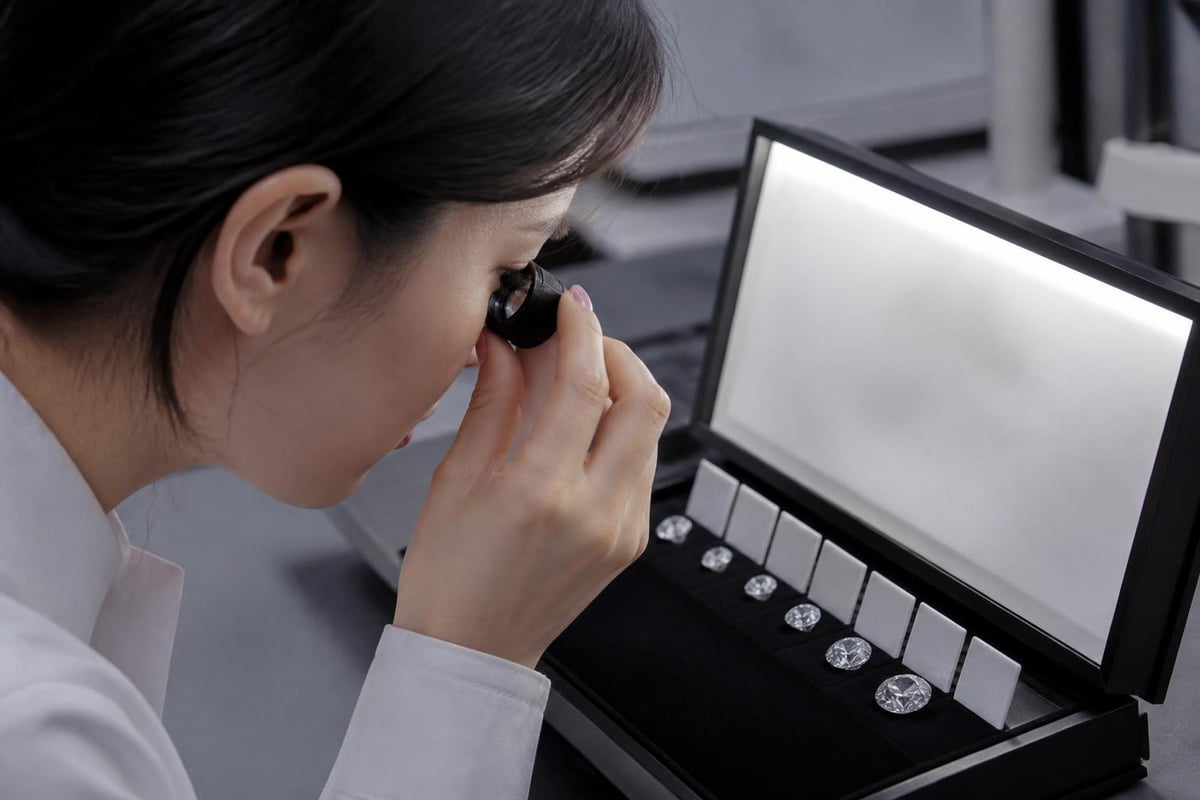
Identifying a true d gem requires rigorous examination protocols that go beyond casual observation. Professional gemologists use specific methodologies to ensure accurate classification.
Grading Methodology and Standards
The d gem assessment process involves several critical steps:
- Master stone comparison: Graders compare candidate diamonds against certified reference stones
- Controlled lighting: Standardized illumination eliminates variables that might affect color perception
- Consistent viewing angles: Diamonds are examined table-down against pure white backgrounds
- Temperature-controlled environments: Ambient conditions remain stable throughout evaluation
- Multiple expert verification: Several gemologists independently confirm the d gem classification
Organizations like D Gem Mount, with over 35 years of industry experience, understand the precision required to authenticate these exceptional stones. The grading process eliminates subjectivity through standardized protocols that have been refined over decades.
| Color Grade | Classification | Market Position | Price Premium vs. Lower Grades |
|---|---|---|---|
| D | Colorless (d gem) | Ultra-premium | 15-20% above E grade |
| E | Colorless | Premium | 10-15% above F grade |
| F | Colorless | High-end | 8-12% above G grade |
| G-H | Near Colorless | Popular luxury | Baseline comparison |
D Gem Value Proposition in Fine Jewelry
The financial implications of choosing a d gem versus lower color grades extend beyond initial purchase price. Several factors contribute to the premium commanded by these exceptional stones.
Rarity plays a fundamental role in d gem pricing. Only a small percentage of mined diamonds achieve this classification, making them inherently more valuable. The scarcity factor becomes even more pronounced when combined with other quality parameters such as clarity, cut, and carat weight.
Investment Considerations
When evaluating d gem stones for investment purposes, collectors should consider multiple dimensions of value preservation. Historically, top-color diamonds have maintained strong resale values during economic fluctuations. The combination of rarity and universal recognition makes d gem classification a safe harbor for wealth preservation through tangible assets.
Market dynamics in 2026 show continued strong demand for colorless diamonds, particularly among discerning buyers who prioritize quality over size. Companies like D S Gems Inc. supply these exceptional stones to designers and manufacturers who cater to this sophisticated market segment.
How D Gem Fits Different Jewelry Applications
The practical application of d gem diamonds varies significantly across jewelry categories. Understanding where this premium quality adds genuine value versus where it represents unnecessary expense helps optimize purchasing decisions.
Engagement Rings and Bridal Jewelry
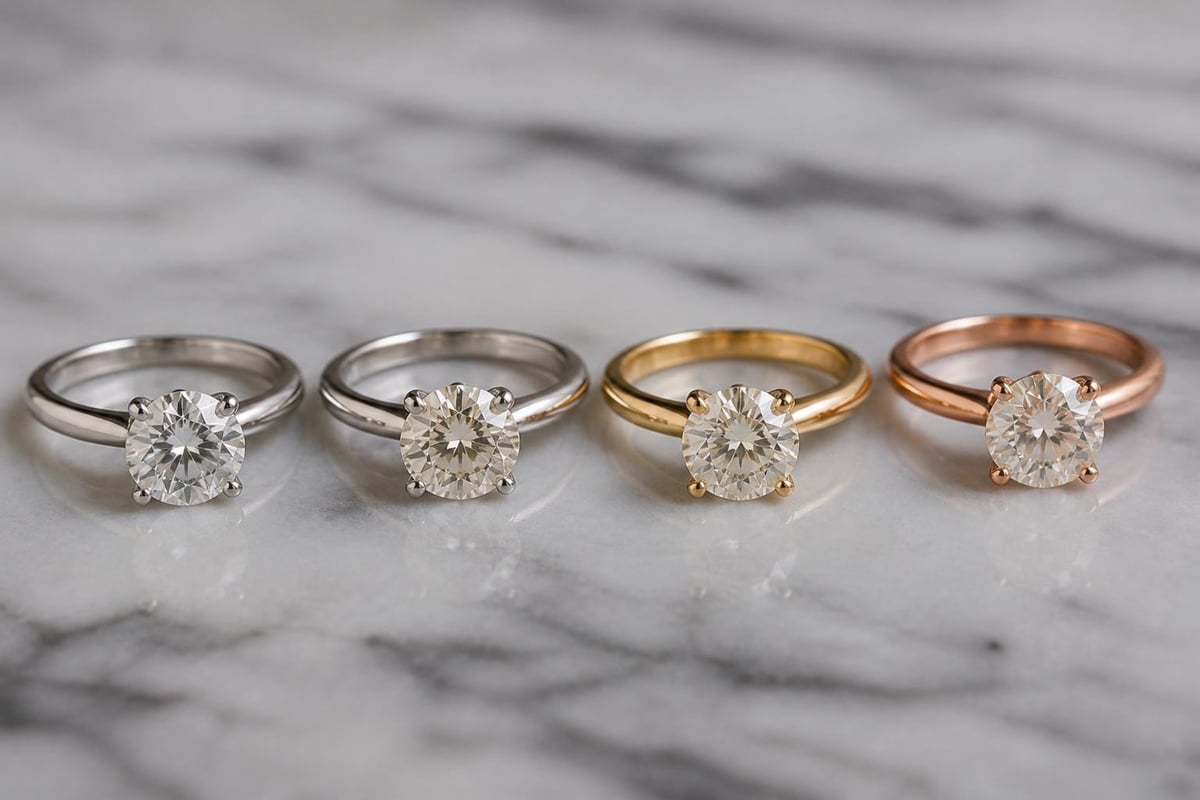
For engagement rings, d gem stones offer unmatched brilliance, particularly in platinum or white gold settings. The absence of any yellow undertones ensures the diamond appears crisp and brilliant against cool-toned metals. When selecting engagement ring settings, the d gem becomes especially important in larger stones (above 1.5 carats) where color differences become more noticeable.
However, in yellow or rose gold settings, the metal color can mask subtle differences between D and G grades. This practical consideration allows buyers to optimize their budget without sacrificing perceived quality.
Fine Necklaces and Prestigious Pieces
Tennis necklaces and statement pieces benefit significantly from consistent d gem quality across all stones. When multiple diamonds are set adjacent to each other, color consistency becomes paramount. A tennis necklace featuring uniformly graded d gem stones displays a cohesive brilliance that lesser grades cannot match.
Natural Versus Lab-Grown D Gem Stones
The emergence of laboratory-grown diamonds has introduced new considerations for d gem classification. Modern technology produces synthetic diamonds that achieve the same d gem color grade as natural stones, often at significantly reduced prices.
Quality Standards Across Origins
Both natural and lab-grown diamonds undergo identical grading procedures. A d gem laboratory diamond exhibits the same colorless properties as its mined counterpart. The distinction lies not in the color grade itself but in the origin and formation process.
Key differences include:
- Formation timeline: Natural d gem diamonds formed over billions of years versus weeks in laboratory conditions
- Pricing structure: Lab-grown d gem stones typically cost 60-80% less than natural equivalents
- Resale considerations: Natural diamonds generally maintain better long-term value retention
- Ethical sourcing: Lab-grown options eliminate mining-related environmental and social concerns
For buyers exploring lab-grown diamonds versus natural diamonds, the d gem color grade represents identical visual quality regardless of origin. The choice between natural and synthetic becomes a decision about values, budget, and investment philosophy rather than appearance.
Certification and Documentation for D Gem Purchases
Proper documentation serves as essential protection when investing in d gem jewelry. Reputable certification from recognized gemological laboratories provides assurance and facilitates future transactions.
Recognized Certification Bodies
The most respected certifications for d gem diamonds come from:
- Gemological Institute of America (GIA): Industry gold standard for diamond grading
- American Gem Society (AGS): Known for rigorous cut grading standards
- International Gemological Institute (IGI): Widely recognized, particularly for lab-grown diamonds
- European Gemological Laboratory (EGL): European-focused certification services
Each certificate should include detailed information about the d gem stone's color grade, clarity, cut, carat weight, and unique identifying characteristics. Advanced certificates feature plotted diagrams showing inclusion locations and proportions that affect light performance.
| Certification Type | Typical Cost | Turnaround Time | Market Recognition |
|---|---|---|---|
| GIA Comprehensive | $200-500 | 2-3 weeks | Highest (global) |
| AGS Detailed | $150-400 | 2-4 weeks | High (North America) |
| IGI Standard | $100-300 | 1-2 weeks | High (international) |
Businesses like Dia/Gem Jewelers and D & M Gem Creations maintain long-standing reputations by providing properly certified stones with transparent documentation.
Caring for D Gem Diamond Jewelry
Maintaining the pristine appearance of d gem diamonds requires consistent care practices. While diamonds rank as the hardest natural substance, they still require protection from damage and contamination.
Regular Maintenance Protocols
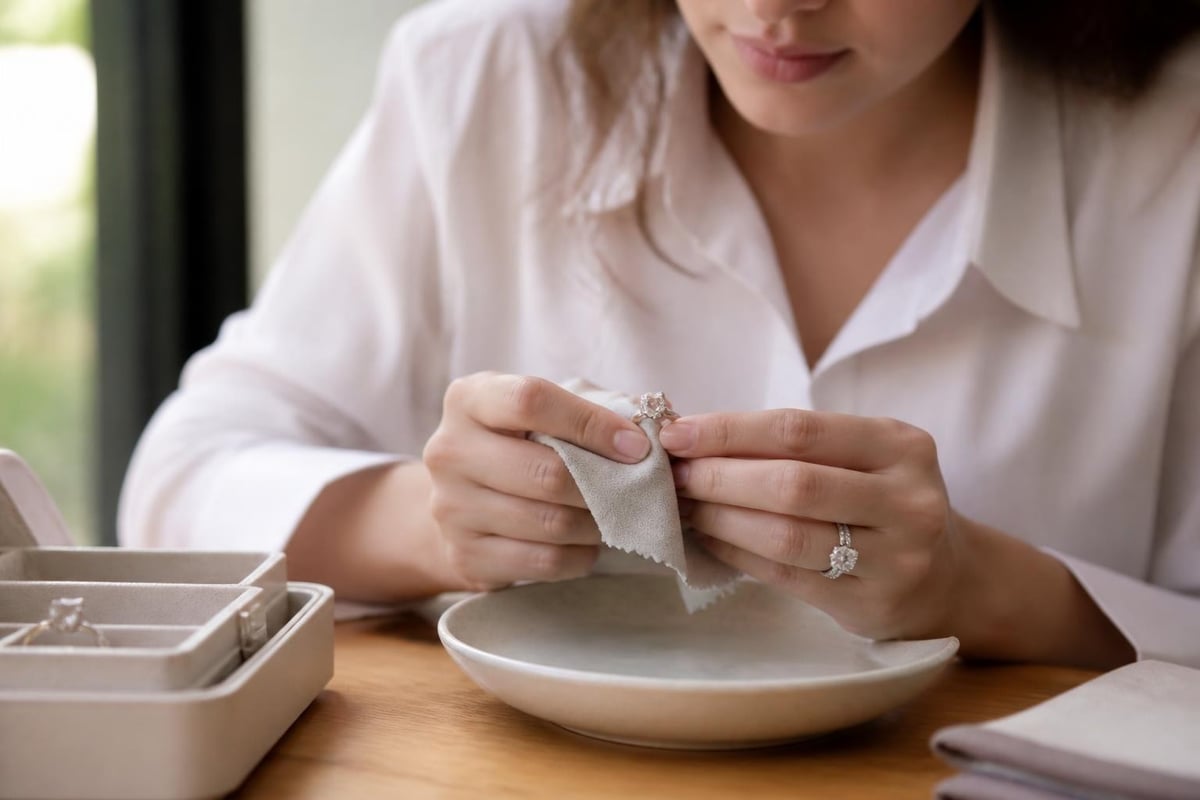
Professional cleaning every six months helps preserve the brilliance that makes d gem stones exceptional. Between professional services, gentle home cleaning with mild soap and warm water keeps diamonds sparkling. Avoid harsh chemicals, ultrasonic cleaners for certain settings, and exposure to chlorine or bleach, which can damage metal components even if the d gem stone remains unaffected.
Storage in fabric-lined compartments prevents scratches from contact with other jewelry. Despite their hardness, diamonds can chip if struck at specific angles, making protective storage essential for preserving d gem quality.
Market Trends and D Gem Demand in 2026
Current market analysis reveals sustained demand for d gem diamonds across multiple consumer segments. Millennials and Generation Z buyers increasingly prioritize quality over size, driving interest in smaller, higher-grade stones rather than larger diamonds with visible color.
Economic Factors Influencing Prices
Supply constraints from major diamond-producing regions have contributed to price stability for d gem stones throughout 2024-2026. Global economic uncertainty has paradoxically strengthened demand for tangible luxury assets, with top-grade diamonds serving as portable wealth storage.
The luxury jewelry market has shown resilience even during broader economic challenges. Establishments like DEY GEM Jewelry Corporation report consistent interest from collectors and investors seeking d gem quality for both aesthetic and financial reasons.
Selecting D Gem Stones for Your Collection
Strategic acquisition of d gem diamonds requires balancing multiple quality factors beyond color grade alone. The four Cs (color, clarity, cut, and carat) work synergistically to determine overall value and appearance.
Optimizing the Four Cs
When budget constraints exist, understanding which characteristics matter most in specific applications helps maximize value. For example, a d gem stone with VS2 clarity often appears identical to a VVS1 clarity stone to the naked eye, allowing buyers to prioritize color grade without overspending on imperceptible clarity improvements.
Cut quality deserves particular attention when selecting d gem stones. An excellently cut diamond maximizes light return, enhancing the inherent brilliance of colorless material. Poor cut proportions can diminish the visual impact even of the finest d gem rough material.
When exploring options at La Maison Val D'or, consider these prioritization strategies:
- For engagement rings under 1 carat: Prioritize cut excellence, accept near-colorless (G-H) grades
- For statement pieces above 2 carats: Invest in d gem color grade where differences become visible
- For halo settings: Central d gem stone with near-colorless accent diamonds optimizes budget
- For yellow gold jewelry: Save d gem premium for white metal applications where color shows
Authentication and Verification Methods
Beyond certification, several practical verification methods help confirm d gem quality claims. Professional jewelers use specialized equipment to validate color grades and detect treatments that might artificially improve appearance.
Professional Assessment Tools
Gemological laboratories employ spectroscopy, microscopy, and comparative analysis using master stone sets. These tools detect subtle color nuances that distinguish d gem stones from E or F grades. Advanced techniques also identify color-enhancing treatments or synthetic materials misrepresented as natural d gem diamonds.
For consumers, working with established jewelers who provide transparent certification and stand behind their d gem claims offers the best protection. Reputable businesses maintain relationships with certification laboratories and welcome independent verification of their inventory.
Understanding d gem quality empowers collectors to make informed decisions that align with their aesthetic preferences and investment goals. Whether selecting a centerpiece for an engagement ring or building a portfolio of exceptional gemstones, the d gem designation represents the highest standard in diamond color grading. At La Maison Val D'or, our curated collection includes certified d gem diamonds and exceptional gemstones that meet the most discerning standards, backed by comprehensive certification and expert guidance to help you select pieces that deliver both beauty and enduring value.