
Understanding carat weight in sapphires represents one of the most critical aspects of evaluating these precious gemstones. When discussing ct sapphire measurements, connoisseurs and collectors recognize that this metric profoundly influences both value and visual appeal. The relationship between carat weight and quality, however, extends far beyond simple size comparisons. For those seeking exceptional pieces, comprehending how ct sapphire specifications interact with color, clarity, and cut creates the foundation for informed acquisition decisions. This knowledge empowers collectors to appreciate the nuanced characteristics that distinguish extraordinary sapphires from merely adequate specimens.
The Fundamentals of Carat Weight in Sapphires
Carat weight serves as the standardized measurement system for gemstones worldwide. One carat equals precisely 200 milligrams, establishing a universal language for gemstone evaluation. When examining a ct sapphire, this measurement provides an objective starting point for assessment, though it represents only one component of comprehensive quality analysis.
The relationship between carat weight and physical dimensions differs from expectations many collectors initially hold. Sapphires possess different density characteristics compared to diamonds, meaning a 1 ct sapphire appears smaller than a 1-carat diamond when viewed from above. This density factor, approximately 4.00 for sapphire versus 3.52 for diamond, creates important visual implications for jewelry design.
Size Perception and Setting Considerations
Understanding how ct sapphire measurements translate into actual visual presence becomes essential when selecting pieces for specific jewelry applications. The table below illustrates approximate dimensions for round brilliant-cut sapphires at various carat weights:
| Carat Weight | Approximate Diameter | Typical Depth | Visual Presence |
|---|---|---|---|
| 0.50 ct | 5.0 mm | 3.0 mm | Delicate accent |
| 1.00 ct | 6.0 mm | 3.6 mm | Balanced proportion |
| 2.00 ct | 7.3 mm | 4.4 mm | Statement piece |
| 3.00 ct | 8.2 mm | 4.9 mm | Significant presence |
| 5.00 ct | 9.5 mm | 5.7 mm | Exceptional showcase |
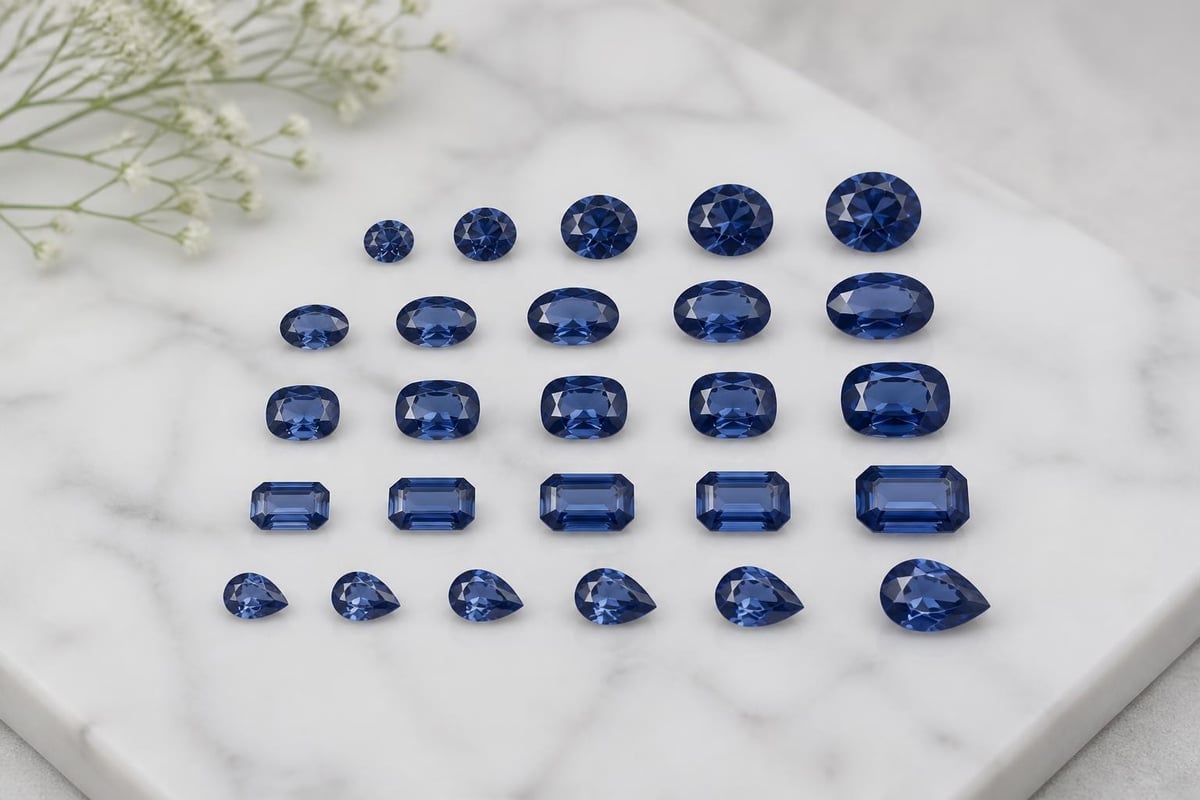
These measurements provide general guidance, though actual dimensions vary based on cutting style and proportions. Fancy shapes including oval, cushion, and emerald cuts display different size relationships at identical carat weights, affecting how prominently they appear when mounted.
Color Intensity Across Different Carat Weights
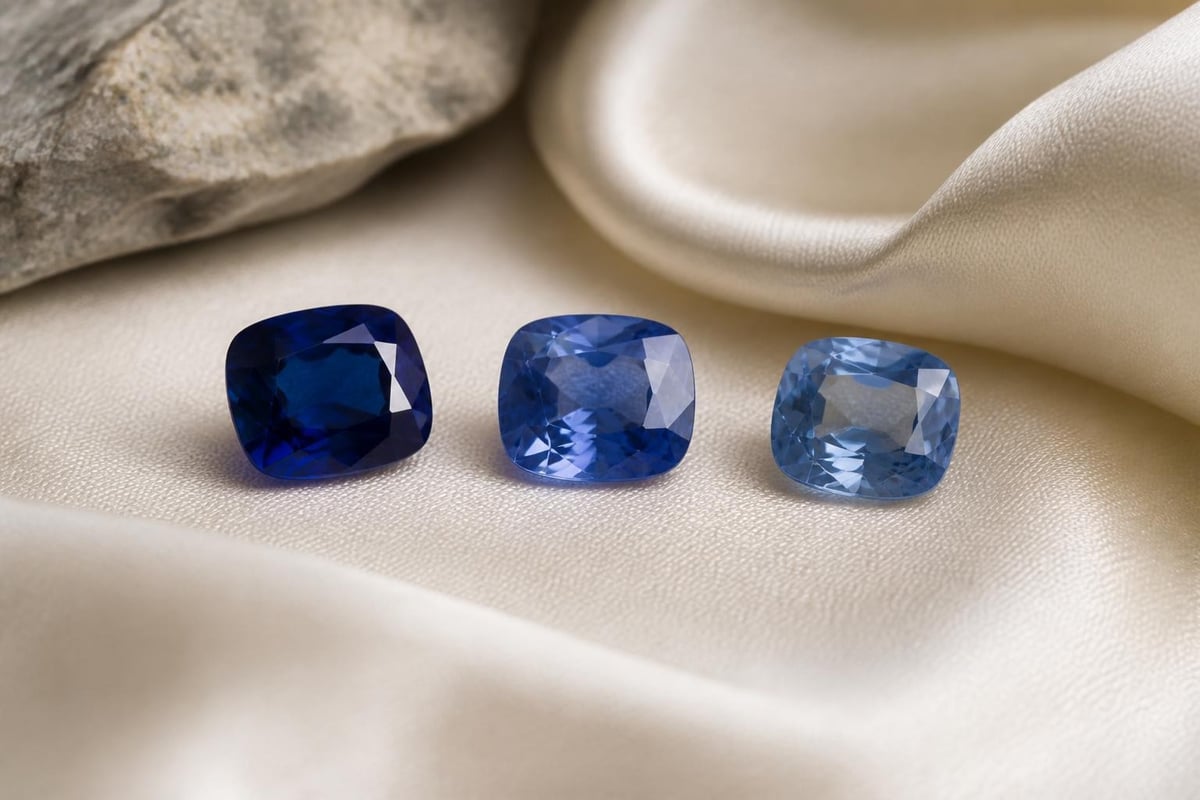
The relationship between ct sapphire size and color saturation presents fascinating considerations for collectors. Larger specimens often display more intense color concentration, particularly in premium Kashmir and Burmese origins. This phenomenon occurs because light travels through greater gemstone mass, intensifying color perception.
Color distribution varies significantly across weight categories. Smaller sapphires frequently exhibit lighter tones, while pieces exceeding 2 carats demonstrate richer, more saturated hues. This characteristic influences both aesthetic appeal and market value substantially.
Premium Color Considerations
When evaluating ct sapphire color quality, several factors deserve careful attention:
- Tone consistency: Even color distribution throughout the stone without visible zoning
- Saturation levels: Intensity of color from pastel to vivid classifications
- Hue purity: Absence of secondary color modifiers that diminish primary blue
- Lighting response: Color stability under various illumination conditions
The diverse spectrum of fancy sapphires extends beyond traditional blue, encompassing pink, yellow, orange, and rare padparadscha varieties. Each color category demonstrates unique relationships between carat weight and visual impact, creating distinct market dynamics.
Price Progression and Market Dynamics
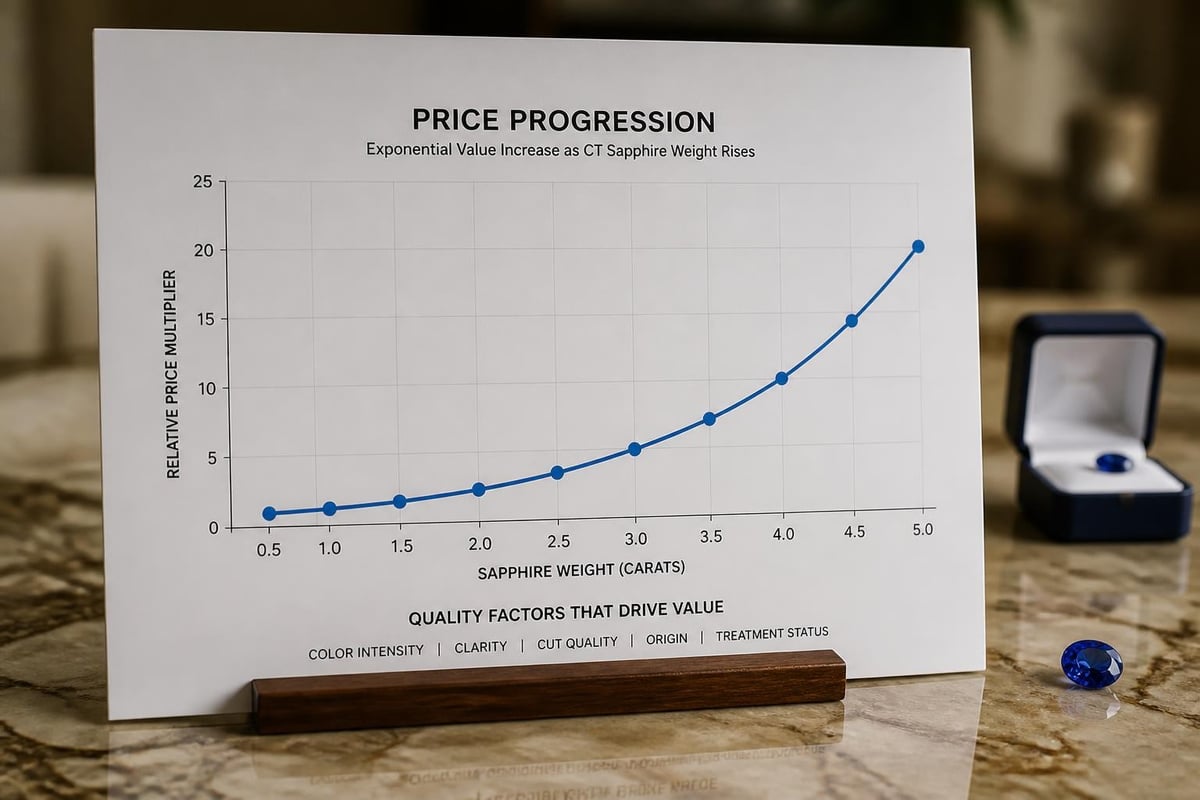
Understanding how ct sapphire pricing escalates with increasing weight requires recognizing the exponential rather than linear progression. Market values increase disproportionately as carat weight rises, reflecting both rarity and desirability of larger, fine-quality specimens.
The pricing structure for exceptional sapphires demonstrates dramatic shifts at specific weight thresholds. Industry professionals recognize critical breaking points where values accelerate notably:
- 0.50 to 1.00 carat: Entry luxury segment with moderate pricing
- 1.00 to 2.00 carats: Significant value increase per carat
- 2.00 to 3.00 carats: Premium pricing tier for exceptional quality
- 3.00 to 5.00 carats: Investment-grade territory with substantial premiums
- Above 5.00 carats: Rare specimens commanding extraordinary prices
Market conditions in 2026 reflect sustained demand for larger ct sapphire specimens, particularly those exhibiting superior color and clarity. Kashmir and Burmese origins command premium multiples, sometimes reaching five to ten times the value of comparable Ceylon sapphires.
Investment Perspectives
Collectors approaching ct sapphire acquisition from an investment standpoint should consider several strategic factors. Larger stones with exceptional color and provenance demonstrate stronger long-term appreciation potential. Documentation including origin reports from respected gemological laboratories substantially enhances both marketability and value retention.
The relationship between certification and confidence cannot be overstated. Comprehensive laboratory documentation establishes authenticity, treatment status, and geographic origin, creating transparency that sophisticated collectors demand. Detailed sapphire characteristics verified through professional analysis provide essential foundation for investment-quality acquisitions.
Quality Assessment Beyond Carat Weight
While ct sapphire measurements provide crucial data points, comprehensive quality evaluation requires analyzing multiple characteristics simultaneously. The four Cs of gemstone assessment-carat, color, clarity, and cut-interact dynamically, with each factor influencing overall desirability and value.
Color represents the paramount quality determinant for sapphires, typically accounting for 50-60% of value consideration. A 2 ct sapphire with exceptional vivid blue saturation commands significantly higher prices than a 3 ct sapphire with lighter, less desirable coloration.
Clarity Characteristics in Different Sizes
Clarity assessment becomes increasingly critical as ct sapphire weight increases. Larger stones magnify internal characteristics, making inclusions more visible. The clarity grading framework for sapphires differs from diamonds, acknowledging that most natural sapphires contain some internal features.
| Clarity Grade | Description | Impact on Value | Typical in Sizes |
|---|---|---|---|
| Loupe Clean | No visible inclusions under 10x | Maximum value | All weights |
| Eye Clean | No visible inclusions unaided | Premium pricing | Common 1-3 ct |
| Slightly Included | Minor inclusions visible | Moderate reduction | Frequent 3+ ct |
| Included | Obvious inclusions | Significant reduction | Variable |
The acceptance of certain inclusion types varies by origin and color. Kashmir sapphires with characteristic silk inclusions remain highly valued, as these features confirm authenticity and contribute to the coveted velvety appearance.
Cut Quality and Proportion Optimization
How a ct sapphire is faceted dramatically affects its beauty and light performance. Master cutters balance weight retention against optical excellence, making strategic decisions that influence both appearance and market value. Well-proportioned cuts maximize brilliance and color, while poorly executed cutting diminishes even exceptional rough material.
Precision cutting requires significant expertise, particularly for larger sapphires where minor proportion variations create substantial visual differences. The relationship between depth percentage and face-up appearance determines whether a ct sapphire appears lively and vibrant or dark and lifeless.
Cutting Style Implications
Different faceting approaches serve distinct aesthetic and practical purposes:
- Brilliant cuts: Maximize light return and sparkle in well-saturated material
- Step cuts: Showcase color purity and clarity in exceptional specimens
- Mixed cuts: Combine brilliance with weight retention for commercial optimization
- Cabochon cuts: Display asterism in star sapphires or enhance color depth
Custom cutting services allow collectors to optimize rough material specifically for desired outcomes. When commissioning custom work, communication between client, designer, and cutter ensures the final ct sapphire piece aligns with aesthetic vision and quality expectations. Similar considerations apply when selecting customized fine jewelry that showcases exceptional gemstones.
Origin Influence on Value Perception
Geographic origin significantly impacts how collectors perceive and value ct sapphire specimens. Traditional sources including Kashmir, Burma (Myanmar), and Ceylon (Sri Lanka) command premium recognition, with Kashmir sapphires representing the apex of desirability and pricing.
The legendary Kashmir sapphires, mined briefly from 1881 to the early 1900s, exhibit unmatched velvety blue color resulting from microscopic rutile inclusions. These rare specimens achieve extraordinary prices, often exceeding $200,000 per carat for exceptional quality in larger sizes. The finite supply and historical significance create sustained demand that consistently strengthens over time.
Contemporary Source Evaluation
Modern sapphire production from Madagascar, Tanzania, and Australia provides accessible alternatives to traditional sources. While these origins produce beautiful material, they typically command lower premiums than Kashmir or Burmese counterparts of comparable quality.
Madagascar has emerged as a significant supplier, producing sapphires across diverse color ranges with generally good clarity characteristics. The island nation's deposits yield ct sapphire specimens from small accent stones to rare large pieces exceeding 10 carats. Price positioning for Madagascar material typically ranges from 30-60% of comparable Ceylon sapphires, depending on specific quality factors.
Treatment Disclosure and Natural Stones
Understanding treatment status represents essential knowledge when evaluating ct sapphire offerings. The vast majority of commercial sapphires undergo heat treatment to enhance color and clarity, a practice widely accepted within the industry when properly disclosed. Untreated natural sapphires command substantial premiums, particularly in larger sizes with exceptional color.
The definition and characteristics of sapphire extend beyond simple color description to encompass the corundum mineral family and its various manifestations. This scientific foundation informs how treatments interact with crystal structure and optical properties.
Heat treatment permanently alters sapphire at the molecular level, improving color saturation and removing unwanted modifiers. This enhancement, conducted at temperatures between 1600-1800°C, mimics natural geological processes. Properly heat-treated sapphires exhibit excellent stability and durability with no special care requirements beyond normal jewelry maintenance.
Advanced Treatment Methods
Beyond traditional heating, several contemporary treatments require careful consideration:
- Beryllium diffusion: Introduces color through surface treatment (requires disclosure)
- Fracture filling: Improves clarity through glass or resin introduction (affects value)
- Irradiation: Alters color in specific sapphire varieties (requires disclosure)
- Surface coating: Temporary color enhancement (significantly reduces value)
Reputable dealers provide comprehensive treatment disclosure, ensuring collectors understand exactly what they acquire. When investing in significant ct sapphire pieces, laboratory certification from GIA, AGL, or Gübelin establishes treatment status definitively.
Selecting the Optimal Carat Weight
Determining the ideal ct sapphire size requires balancing multiple considerations including budget, intended use, and personal preferences. For engagement rings, the 1.00 to 2.00 carat range offers excellent presence without excessive cost, while cocktail rings and statement pendants benefit from larger 3.00 to 5.00 carat centerpieces.
Practical wearability influences optimal sizing decisions. Extremely large sapphires, while impressive, may prove cumbersome for daily wear. Consider lifestyle factors and wearing frequency when selecting carat weights for specific jewelry applications.
Budget Optimization Strategies
Collectors working within defined budgets can employ several approaches to maximize value:
- Prioritize color quality over size: Exceptional color in smaller ct sapphire beats inferior color in larger stones
- Consider near-weight options: A 0.90 ct sapphire costs significantly less than 1.00 ct with minimal visual difference
- Explore alternative origins: Madagascar and Ceylon offer excellent value compared to Kashmir
- Balance clarity expectations: Eye-clean rather than loupe-clean provides substantial savings
The intersection of personal taste and market dynamics creates unique opportunities. Some collectors prefer vivid, smaller specimens while others value size presence despite slightly lighter color saturation.
Setting Styles for Different Weights
How ct sapphire specimens mount in jewelry significantly affects their visual impact and security. Smaller stones benefit from halo designs that amplify apparent size, while larger pieces shine in simpler settings that showcase the gemstone without competition.
Classic solitaire mountings excel for ct sapphire pieces between 1.00 and 3.00 carats, providing clean sight lines that emphasize color and cut quality. The setting metal choice influences color perception, with platinum and white gold creating cool contrasts while yellow gold adds warmth.
Three-stone designs work beautifully across weight ranges, offering opportunities to pair a central ct sapphire with complementary diamonds or sapphires in coordinating or contrasting colors. This configuration provides excellent value distribution while creating substantial visual presence.
| Setting Style | Ideal Carat Range | Visual Effect | Security Level |
|---|---|---|---|
| Solitaire | 1.00-3.00 ct | Clean, classic | Excellent |
| Halo | 0.50-2.00 ct | Amplified presence | Very good |
| Three-stone | 1.50-4.00 ct | Balanced composition | Excellent |
| Cocktail cluster | 2.00-5.00 ct | Maximum impact | Good |
Understanding how different ct sapphire weights interact with setting configurations enables optimal design choices. Consultation with experienced jewelers ensures structural integrity while achieving desired aesthetic outcomes. At La Maison Val D'or, expert guidance helps collectors navigate these decisions with confidence.
Care and Maintenance Considerations
Proper care ensures ct sapphire pieces maintain their beauty across generations. Sapphire's exceptional hardness (9 on the Mohs scale) provides excellent durability, though reasonable precautions prevent unnecessary damage. Regular professional inspection identifies potential setting issues before stones become vulnerable to loss.
Cleaning protocols for sapphire jewelry remain straightforward. Warm water with mild soap and soft brushing removes accumulated oils and debris effectively. Ultrasonic cleaners work safely for most sapphires, though fracture-filled stones require gentler hand cleaning to prevent damage to enhancements.
Storage practices protect ct sapphire pieces from scratching softer gemstones while preventing contact with harder diamonds. Individual compartments or soft pouches provide ideal organization for valuable collections.
Long-term Value Preservation
Maintaining comprehensive documentation supports long-term value retention:
- Original purchase receipts and invoices
- Laboratory certificates and origin reports
- Appraisal updates every 3-5 years
- Photographs documenting condition
- Service records for repairs or modifications
These records establish provenance and facilitate insurance coverage, estate planning, and eventual resale if desired. The investment quality of premium ct sapphire pieces justifies systematic documentation practices.
Market Trends and Future Outlook
The 2026 sapphire market demonstrates robust health with particular strength in premium ct sapphire segments. Kashmir and Burmese material continues appreciating substantially, driven by limited supply and expanding collector base. Ceylon sapphires maintain steady demand with moderate price growth reflecting consistent quality and availability.
Emerging collector demographics influence market dynamics significantly. Younger luxury consumers demonstrate strong interest in colored gemstones as alternatives to traditional diamond engagement rings. This trend supports sustained demand across the 1.00 to 2.00 carat range particularly.
Sustainability considerations increasingly influence purchasing decisions. Collectors seek assurance regarding ethical sourcing and environmental responsibility. Reputable dealers provide transparency about supply chains and support responsible mining initiatives.
The rarity premium for larger ct sapphire specimens continues expanding. Pieces exceeding 5 carats with exceptional quality become increasingly difficult to source, creating upward price pressure. Investment-grade material in this category demonstrates strong appreciation potential over 5-10 year horizons.
Selecting the perfect ct sapphire requires balancing carat weight with color quality, clarity characteristics, and cut excellence. Understanding how these factors interact empowers collectors to make informed decisions aligned with both aesthetic preferences and investment considerations. Whether seeking an elegant 1-carat piece or an exceptional 5-carat statement sapphire, expert guidance ensures optimal selection. La Maison Val D'or offers curated collections of exceptional sapphires and fine jewelry, providing personalized consultation to help you discover timeless pieces that reflect your individual style and appreciation for gemstone excellence.