
The world of fine jewelry carries its own language, filled with abbreviations and technical terms that can perplex even seasoned collectors. Among these specialized designations, understanding what constitutes a ct gem and how carat total weight influences a piece's value remains essential for anyone investing in exquisite jewelry. Whether you're evaluating an engagement ring adorned with multiple diamonds or a statement necklace featuring an array of precious stones, comprehending this fundamental measurement transforms your ability to make informed purchasing decisions and appreciate the true craftsmanship behind each piece.
The Foundation of CT Gem Measurements
Carat total weight, abbreviated as CT or CTW, represents the combined weight of all gemstones set within a single piece of jewelry. This measurement differs fundamentally from the weight of an individual stone, creating a crucial distinction for collectors and connoisseurs. When jewelers describe a ct gem piece, they reference the aggregate weight of every diamond, sapphire, emerald, or other precious stone incorporated into the design.
The metric carat itself equals precisely 200 milligrams, establishing an international standard that transcends regional variations. This standardization enables consistent evaluation across global markets, ensuring transparency whether you're purchasing in Paris, New York, or Tokyo. Understanding how CTW is calculated provides the foundation for assessing value proportionally.
How Individual Stones Contribute to Total Weight
Each gemstone within a multi-stone setting contributes its individual weight to the overall ct gem measurement. A three-stone engagement ring, for instance, might feature:
- Center stone: 0.75 carats
- Two side stones: 0.25 carats each
- Total CT weight: 1.25 carats
This calculation appears straightforward, yet the relationship between total weight and value presents more complexity than simple addition. Two pieces with identical CT measurements can command vastly different prices based on how that weight distributes across the design.
Value Considerations Beyond Total Carat Weight
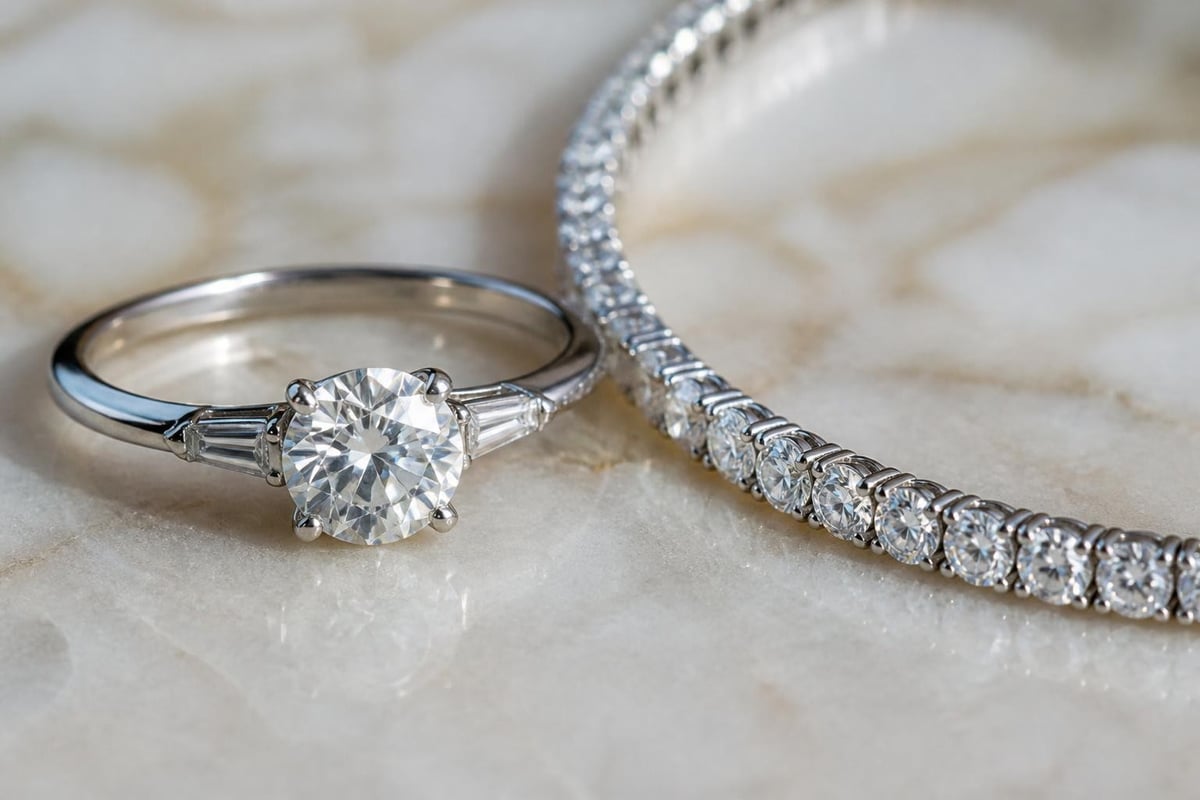
While the ct gem specification provides valuable information, discerning collectors recognize that carat weight represents only one component of a comprehensive quality assessment. The distribution of weight across individual stones significantly impacts both aesthetic appeal and monetary value. A single 2-carat diamond typically commands a substantially higher price per carat than twenty stones totaling 2 carats collectively.
This premium exists because larger individual gemstones demonstrate greater rarity. Mining operations encounter smaller stones with far greater frequency than their larger counterparts, creating scarcity that drives value upward as individual stone size increases. When evaluating CTTW before purchasing, consider both the total weight and the distribution pattern.
The Four Cs in CT Gem Evaluation
Carat weight interacts with three other critical factors when determining a gemstone's value:
| Quality Factor | Impact on CT Gem Value | Assessment Priority |
|---|---|---|
| Cut | Determines brilliance and light performance | Essential |
| Color | Affects rarity and desirability | Critical |
| Clarity | Influences transparency and visual appeal | Important |
| Carat | Establishes size and presence | Foundational |
Superior cut quality, exceptional color grades, and high clarity ratings can elevate a lower ct gem piece above a heavier alternative with compromised characteristics. This nuanced understanding separates knowledgeable collectors from casual buyers.
Distinguishing Between CT and CTTW Specifications
Jewelry professionals employ several abbreviations that reference carat measurements, each carrying distinct meanings. The term ct gem often appears alongside related designations, requiring clarity to prevent confusion during purchasing decisions. CT typically indicates carat weight, while CTTW specifically denotes carat total weight when multiple stones feature in a single piece.
Some jewelers utilize CTW interchangeably with CTTW, both referring to the aggregate weight of all gemstones present. Understanding what CTW means in jewelry prevents misunderstandings about whether specifications reference individual stones or collective measurements. This distinction becomes particularly relevant when comparing pieces across different retailers or evaluating vintage jewelry where documentation may vary.
Regional and Industry Variations
Different markets sometimes employ alternative terminology for similar concepts:
- TW (Total Weight): Common in American retail environments
- DW (Diamond Weight): Specifically references diamond content
- CT TW: Combined notation emphasizing carat total weight
- TCW: Another variation of total carat weight
Regardless of abbreviation preferences, the underlying principle remains consistent. When assessing a ct gem designation, verify whether the measurement applies to a single stone or represents the cumulative weight of multiple gemstones. La Maison Val D'or provides detailed specifications for each piece, ensuring transparency in all measurements.
Practical Applications in Different Jewelry Categories
The significance of ct gem measurements varies across jewelry categories, with certain pieces emphasizing total weight while others prioritize individual stone presence. Understanding these contextual differences enables more sophisticated evaluation of each design's strengths and intended aesthetic impact.
Engagement Rings and Wedding Bands
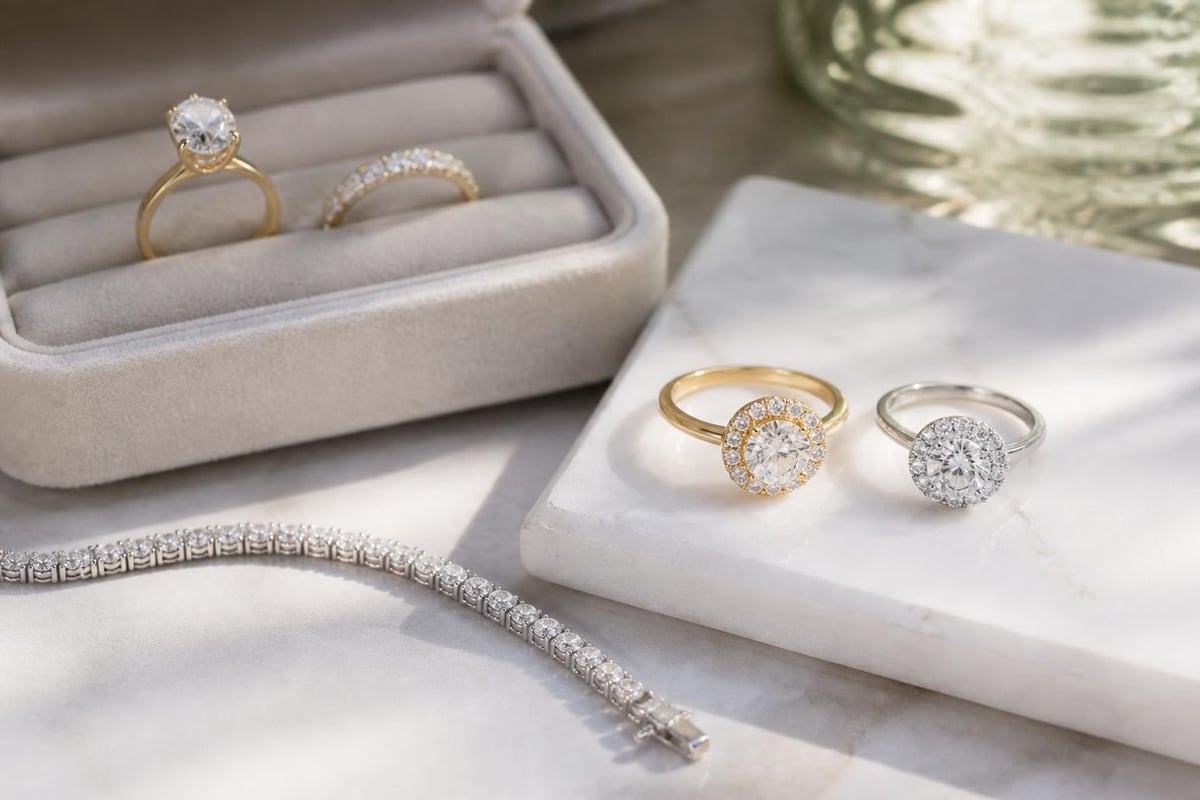
Engagement rings frequently highlight a substantial center stone complemented by accent diamonds, creating varied ct gem distributions. A halo setting might feature:
- Primary diamond: 1.0 carat
- Halo accent stones: 0.50 carats total
- Band pavé diamonds: 0.25 carats total
- Complete CT measurement: 1.75 carats
The center stone contributes the majority of visual impact and value, while accent stones enhance brilliance and perceived size. When evaluating such pieces, consider how the ct gem specification divides between primary and supporting elements.
Tennis Bracelets and Eternity Bands
These designs feature uniform stones arranged continuously, making ct gem measurements particularly relevant. A tennis bracelet containing forty 0.10-carat diamonds achieves 4.0 carats total weight, with value distributed evenly across matched stones. This consistency ensures balanced appearance and proportional pricing.
Quality consistency becomes paramount in multi-stone pieces. Each diamond should demonstrate comparable cut, color, and clarity grades to maintain visual harmony. Superior examples showcase meticulous stone selection, with every gem contributing equally to the overall aesthetic impact.
Investment Perspectives on CT Gem Acquisitions
Collectors approaching fine jewelry as long-term investments benefit from understanding how ct gem specifications influence appreciation potential and resale value. Market dynamics favor certain weight distributions over others, creating opportunities for strategic acquisitions that balance immediate enjoyment with future financial considerations.
Optimal Weight Thresholds
Specific carat weights command premium pricing due to psychological and practical market factors:
- 0.50 carats: Entry point for significant solitaires
- 1.00 carat: Prestigious milestone with strong demand
- 2.00 carats: Substantial size commanding premium multiples
- 3.00 carats and above: Rare weights with exponential value increases
Stones slightly below these thresholds often present value opportunities, offering substantial size at lower per-carat costs. A 0.95-carat diamond paired with quality accent stones might achieve impressive ct gem totals while maintaining favorable pricing compared to 1.00-carat alternatives.
Certification and Documentation Importance
Professional gemological certification provides essential verification for ct gem specifications, protecting buyers from inaccurate weight representations. Reputable laboratories issue detailed reports documenting:
- Precise carat weight measurements
- Individual stone specifications in multi-gem pieces
- Cut grade assessments
- Color and clarity evaluations
These certifications enhance resale confidence and insurance accuracy, establishing documented provenance that serious collectors demand. When investing significant resources, insist on comprehensive certification from recognized institutions.
Care and Maintenance Affecting CT Gem Longevity
Proper maintenance preserves both the physical integrity and documented specifications of ct gem jewelry throughout ownership. While carat weight remains constant barring physical damage, setting security and stone retention require ongoing attention to prevent loss that would alter total weight measurements.
Professional Inspection Schedules
Regular professional examinations ensure continued setting integrity:
- Every six months: Visual inspection for loose stones
- Annually: Comprehensive prong and setting evaluation
- Every three years: Complete restoration and refinishing
- As needed: Immediate attention following impact or stress
These preventive measures protect your investment's ct gem specifications, preventing the catastrophic loss of stones that would compromise both aesthetic appeal and monetary value. Establishing relationships with qualified jewelers ensures consistent, knowledgeable service throughout ownership.
Cleaning Protocols for Multi-Stone Pieces
Complex settings featuring numerous gemstones require appropriate cleaning methods that preserve setting security while maintaining brilliance. Ultrasonic cleaners prove effective for most diamond jewelry, though certain colored gemstones demand gentler approaches. Professional cleaning services provide expertise in handling diverse ct gem compositions safely.
Making Informed CT Gem Purchases
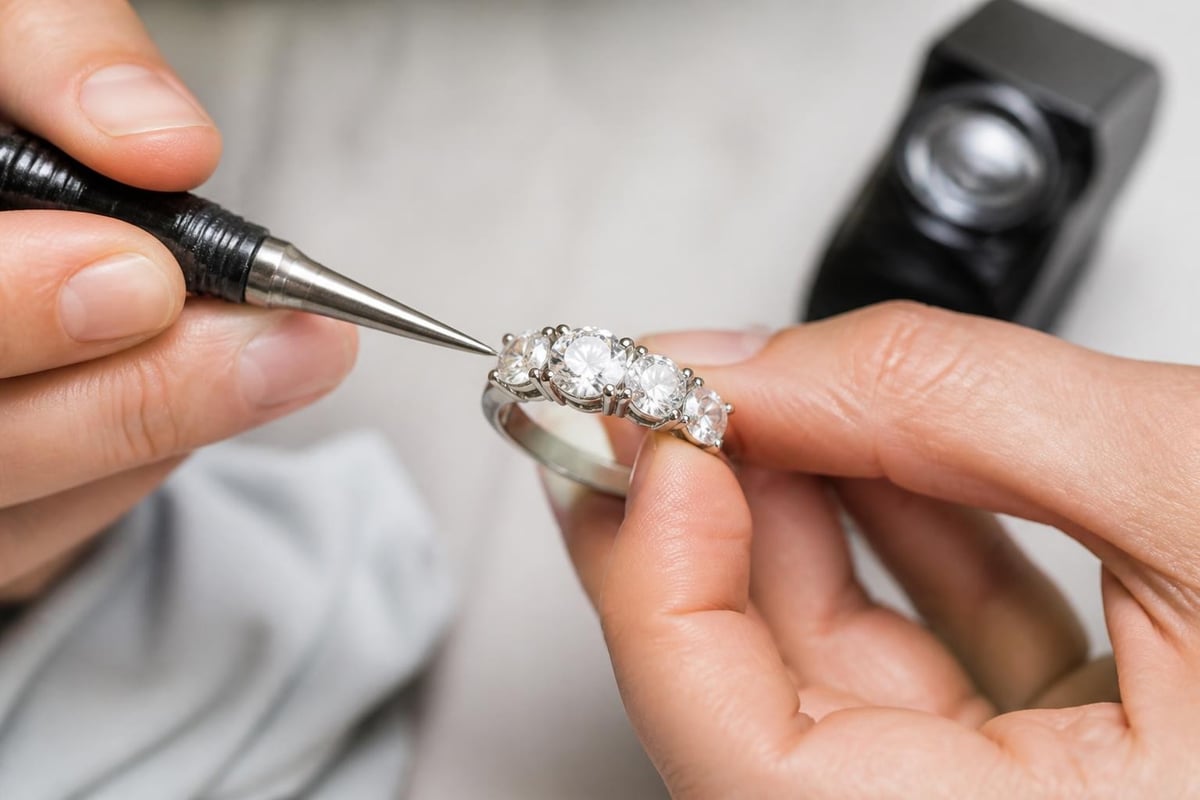
Educated acquisition decisions balance ct gem specifications against quality factors, design excellence, and personal preferences. Developing evaluation frameworks prevents overemphasis on weight measurements while neglecting characteristics that substantially impact long-term satisfaction and value retention.
Questions for Jewelers and Retailers
When evaluating potential purchases, comprehensive inquiries reveal crucial details:
- How does the ct gem weight distribute across individual stones?
- What quality grades apply to each stone category?
- Are accent stones certified, or only the center gem?
- How do price points compare across similar total weights?
- What historical appreciation patterns exist for this design category?
Transparent retailers welcome detailed questions, providing thorough explanations that demonstrate product knowledge and customer service commitment. Explore our curated collections to discover pieces with comprehensive specifications.
Comparing Value Across Different Settings
Identical ct gem measurements can manifest in dramatically different designs, each offering distinct advantages:
| Setting Style | Weight Distribution | Visual Impact | Value Characteristics |
|---|---|---|---|
| Solitaire | Single large stone | Maximum individual brilliance | Highest per-carat cost |
| Three-stone | Balanced across three gems | Symbolic meaning, balanced presence | Moderate premium |
| Halo | Center stone with small accents | Enhanced perceived size | Good value ratio |
| Pavé band | Many small stones | Continuous sparkle | Lower per-carat cost |
Understanding these trade-offs enables selection aligned with aesthetic preferences and budgetary parameters. No single approach proves universally superior; optimal choices reflect individual priorities and intended wearing contexts.
Future Trends in CT Gem Marketing and Transparency
The fine jewelry industry continues evolving toward greater transparency and detailed disclosure regarding ct gem specifications. Consumer education initiatives and regulatory developments promote clearer communication about total weight versus individual stone measurements, benefiting informed buyers seeking accurate representations.
Advanced imaging technologies now enable customers to visualize precise stone placements and relative sizes within settings, supplementing numerical ct gem data with spatial understanding. These innovations reduce uncertainty and enhance confidence when making significant purchases, particularly for online transactions where physical examination proves impossible.
Blockchain certification systems emerging in 2026 promise immutable documentation of gemstone characteristics, including precise ct gem measurements that follow pieces throughout ownership transitions. This technological advancement addresses authentication concerns while streamlining insurance processes and resale verification.
Understanding ct gem measurements transforms jewelry evaluation from simple weight assessment into comprehensive quality analysis. By recognizing how total carat weight distributes across individual stones and interacts with cut, color, and clarity factors, collectors make sophisticated decisions that balance aesthetic appeal with investment value. When you're ready to explore exquisite pieces with transparent specifications and exceptional craftsmanship, La Maison Val D'or offers curated collections where every detail receives meticulous attention, ensuring your acquisition represents both timeless elegance and enduring value.