
The world of precious gemstones has captivated collectors, investors, and jewelry enthusiasts for millennia. When discussing costly stones, we enter a realm where geological rarity meets cultural significance, market demand intersects with natural beauty, and investment potential aligns with aesthetic appreciation. For those seeking to acquire fine jewelry or build a gemstone collection, understanding what elevates certain stones to exceptional value levels represents essential knowledge. The distinction between merely expensive and truly costly stones involves multiple factors, from molecular structure to historical provenance, each contributing to the final valuation that can reach millions of dollars per carat.
Understanding What Makes Gemstones Costly
The term "costly stones" encompasses more than simple price tags. It represents a convergence of geological scarcity, aesthetic perfection, and market dynamics that collectively determine value.
The Fundamental Four Cs Framework
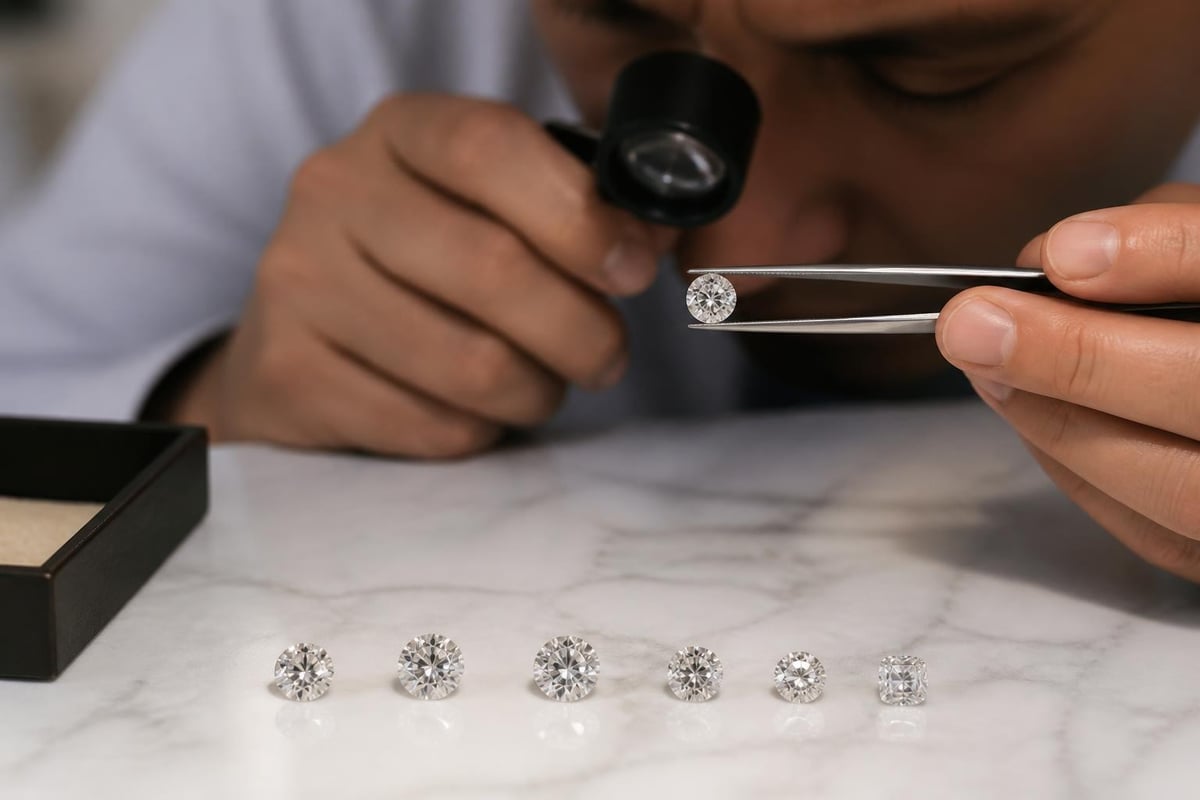
Gemstone valuation begins with four critical attributes that professionals use to assess quality and determine pricing. Color stands as the most significant factor for most gemstones, with slight variations creating dramatic value differences. A vivid, saturated hue with optimal tone commands premium pricing compared to paler or overly dark versions of the same mineral.
Clarity refers to the absence of inclusions and blemishes, though this criterion varies by gemstone type. Some stones, like emeralds, naturally contain inclusions, while others demand near-flawless specimens for top valuations.
The cut transforms rough material into brilliant finished gems. Master lapidaries maximize color, minimize inclusions, and optimize light return through precise faceting. Poor cutting can reduce a stone's value by 50% or more, regardless of other qualities.
Finally, carat weight measures mass, with larger specimens of rare materials commanding exponential price increases. A three-carat Kashmir sapphire might cost ten times more per carat than a one-carat stone of identical quality due to rarity at larger sizes.
Beyond the Basics: Additional Value Drivers
Several factors extend beyond the traditional Four Cs when evaluating costly stones. Origin carries tremendous weight, particularly for certain varieties. Burma rubies, Colombian emeralds, and Kashmir sapphires command substantial premiums over chemically identical stones from other locations due to historical reputation and quality associations.
Treatment status dramatically affects value. Untreated, natural gemstones with exceptional color achieve the highest prices, while heated, irradiated, or fracture-filled stones sell for fractions of their untreated equivalents.
Market dynamics and rarity create significant value fluctuations. When sources become depleted or political situations restrict mining operations, prices rise accordingly. The gemstone market responds to multiple drivers, including cultural trends, economic conditions, and supply chain disruptions.
Comparing Investment-Grade Gemstone Categories
Different gemstone families offer varying investment profiles, risks, and potential returns. Understanding these distinctions helps collectors make informed acquisition decisions.
The Traditional Big Three: Ruby, Sapphire, Emerald
These classic precious stones have maintained value for centuries and continue dominating the high-end market.
| Gemstone | Per-Carat Range (Top Quality) | Key Value Factors | Investment Stability |
|---|---|---|---|
| Ruby | $10,000-$1,000,000+ | Burmese origin, pigeon blood color, no heat treatment | Excellent |
| Sapphire | $5,000-$200,000+ | Kashmir origin, cornflower blue, velvety appearance | Very Good |
| Emerald | $3,000-$100,000+ | Colombian origin, vivid green, acceptable inclusions | Good |
Rubies represent the pinnacle of colored gemstone values. The finest Burmese specimens with "pigeon blood" red coloration and no heat treatment achieve auction records regularly. These costly stones appreciate consistently due to mine depletion and sustained collector demand.
Sapphires offer more variety, with blue commanding highest prices but fancy colors (pink, yellow, orange) gaining market share. Unheated Kashmir sapphires with silky, velvety texture remain among the most sought-after costly stones globally.
Emeralds present unique characteristics. Because nearly all emeralds contain inclusions-referred to as "jardin" or garden-clarity standards differ from other gems. Colombian material with vivid saturation and minimal treatment commands premium pricing.
Rare Colored Gemstones Worth Considering
Beyond the traditional trio, several gemstone varieties have emerged as serious investment considerations.
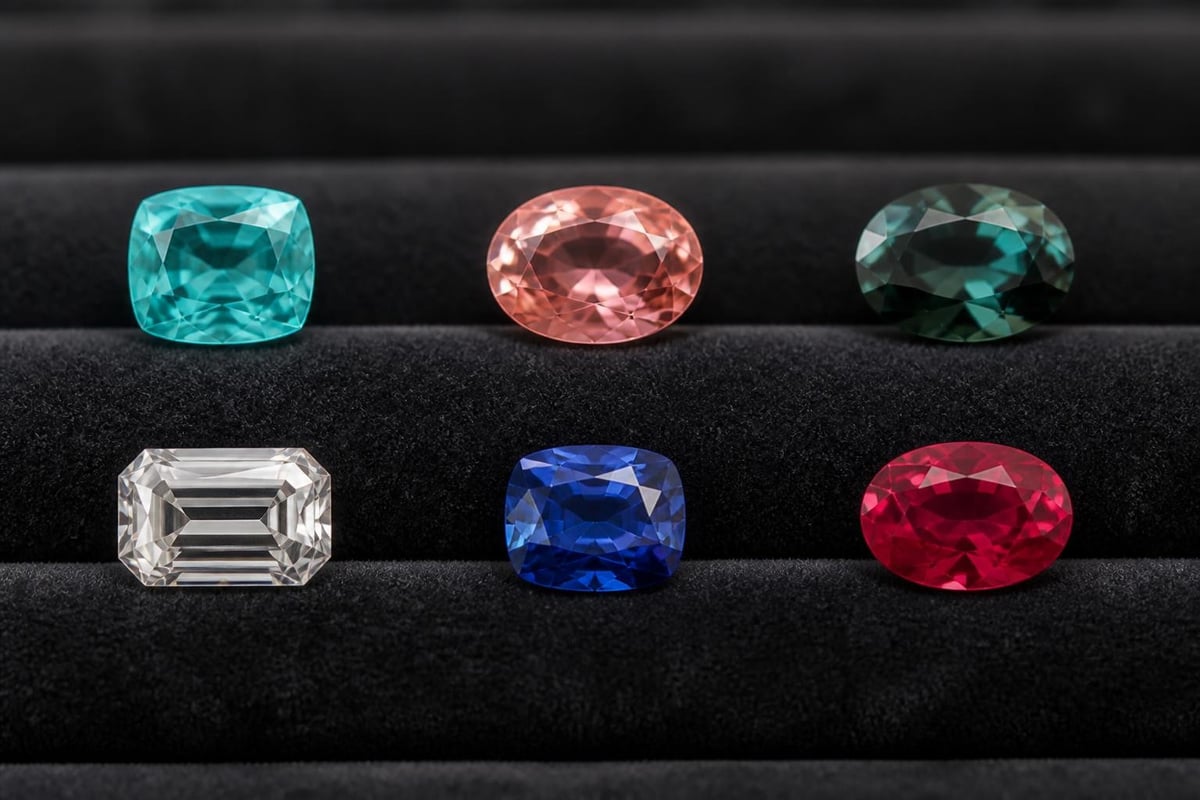
Paraiba tourmalines discovered in Brazil during the 1980s revolutionized the colored gemstone market. Their electric blue-green neon coloration, caused by copper content, creates unprecedented visual impact. Large specimens exceeding three carats can command $20,000-60,000 per carat, making them among the most costly stones relative to their recent discovery.
Padparadscha sapphires display a unique pink-orange sunset coloration that occurs naturally without treatment. Sri Lankan deposits produce the finest examples, with prices reaching $30,000 per carat for exceptional specimens. Their rarity and distinctive appearance make them highly collectible.
Alexandrite demonstrates remarkable color-change properties, appearing green in daylight and red under incandescent light. Russian material from historical deposits achieves premium valuations, though Brazilian and Sri Lankan sources also produce quality stones. Top examples reach $15,000-70,000 per carat depending on size and color-change intensity.
Diamond Versus Colored Gemstones: Investment Comparison
When allocating capital toward costly stones, collectors must decide between diamonds and colored gemstones, each offering distinct advantages.
Diamond Market Characteristics
Diamonds benefit from established grading standards through organizations like GIA and AGS, creating transparent pricing structures. The "Four Cs" apply universally, making diamond values relatively predictable and liquid.
Advantages of diamond investment:
- Standardized grading provides pricing transparency
- High liquidity allows easier resale
- Strong brand recognition supports demand
- Compact value storage (small size, high worth)
- Industrial applications provide baseline demand
Disadvantages to consider:
- Large-scale mining operations prevent extreme scarcity
- Laboratory-grown diamonds create market disruption
- Resale markups typically lower than retail acquisition costs
- Color grading distinctions subtle to untrained observers
Colored Gemstone Investment Profile
Colored gemstones offer greater potential appreciation but require specialized knowledge. Unlike diamonds, no universal grading standard exists, making expertise essential for proper valuation.
The factors affecting gemstone prices include origin, treatment status, and color saturation-variables that experienced gemologists assess but which lack diamond-like standardization.
Benefits of colored gemstone investment:
- Genuine rarity in top-quality specimens
- Limited sources create supply constraints
- Growing affluence in Asia drives demand
- Aesthetic diversity appeals to collectors
- Historical mine depletion increases scarcity
Challenges investors face:
- Expertise required for accurate assessment
- Treatment disclosure varies by vendor
- Lower liquidity than diamonds
- Authentication complexity
- Greater price variation between dealers
At La Maison Val D'or, our curated selections emphasize quality and provenance transparency, essential factors when acquiring colored gemstones for investment or personal enjoyment.
The World's Most Costly Stones: Top-Tier Rankings
Certain gemstones consistently achieve extraordinary valuations due to extreme rarity and exceptional quality. Understanding the most expensive gemstones provides perspective on the upper echelons of the market.
Ultra-Rare Investment-Grade Specimens
-
Red Beryl (Bixbite): Found exclusively in Utah's Wah Wah Mountains, this extremely rare gemstone can exceed $10,000 per carat for small specimens. Most crystals remain too small for faceting, making clean stones above one carat nearly impossible to acquire.
-
Musgravite: Originally discovered in Australia's Musgrave Ranges, this beryllium aluminum oxide mineral rivals diamond in rarity. Only a few hundred faceted specimens exist worldwide, with prices reaching $35,000 per carat for top quality.
-
Grandidierite: This blue-green gemstone from Madagascar remained primarily a collector's mineral until recent discoveries yielded facet-grade material. Transparent specimens command $20,000+ per carat due to continuing scarcity.
-
Serendibite: Named after Serendip, the ancient name for Sri Lanka, this complex silicate occurs in such limited quantities that few people have encountered genuine specimens. Prices exceed $18,000 per carat when available.
-
Taaffeite: Often mistaken for spinel, taaffeite's distinct crystal structure sets it apart. Most stones originate from Sri Lanka and Tanzania, with faceted gems above one carat extremely rare and costly.
Established Precious Stones at Auction Records
Historic auction results demonstrate the upper limits for established costly stones:
| Gemstone Type | Record Price | Details | Year |
|---|---|---|---|
| Pink Star Diamond | $71.2 million | 59.60 carats, fancy vivid pink | 2017 |
| Oppenheimer Blue | $57.5 million | 14.62 carats, fancy vivid blue | 2016 |
| Sunrise Ruby | $30.3 million | 25.59 carats, Burmese pigeon blood | 2015 |
| Graff Pink | $46.2 million | 24.78 carats, fancy intense pink | 2010 |
These results reflect not only exceptional quality but also provenance, historical significance, and competitive bidding among elite collectors seeking the world's finest costly stones.
Pricing Mechanisms and Market Valuation
Understanding how gemstone pricing works requires knowledge of multiple market layers, from rough material acquisition through retail distribution.
The Value Chain From Mine to Market
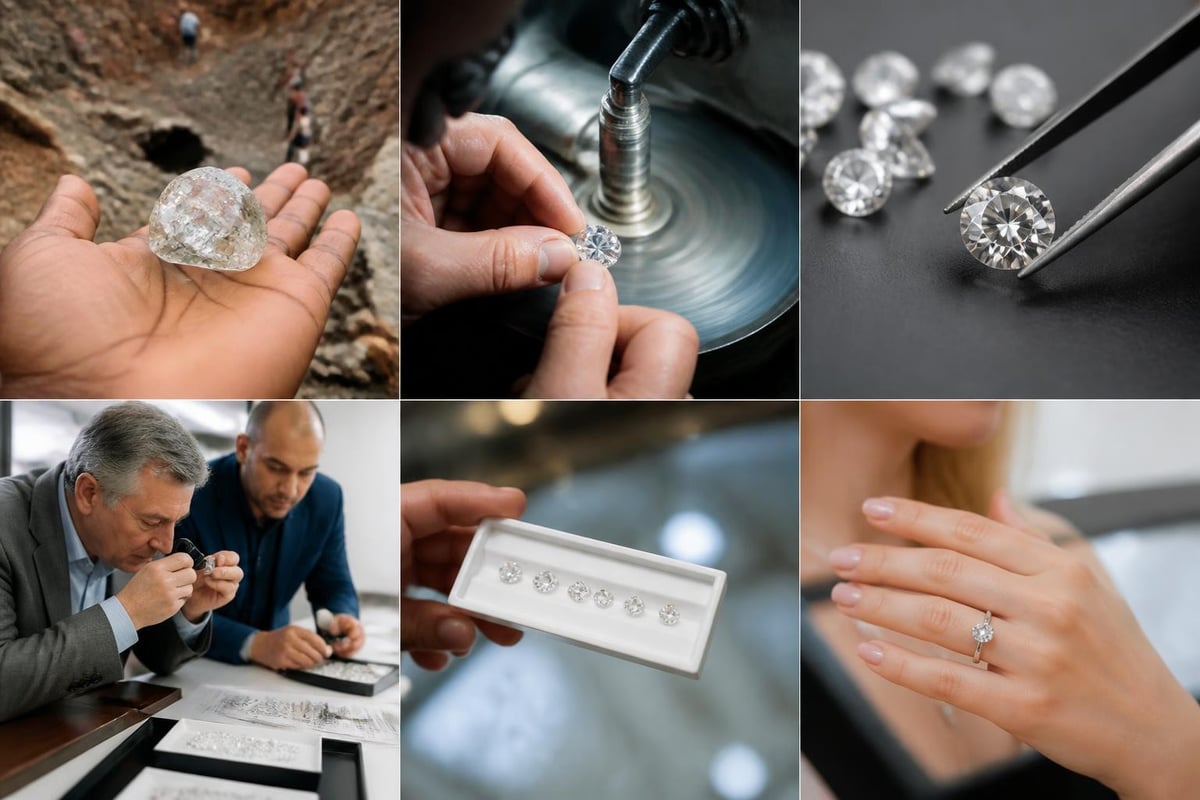
Gemstones pass through numerous hands before reaching consumers, with each transaction adding costs and margins:
Mining operations extract rough material, with costs varying dramatically based on location, labor, equipment, and geological conditions. Some deposits allow mechanized extraction while others require hand-sorting through alluvial gravels.
Rough dealers purchase parcels directly from mines or auctions, sorting material by quality potential. Their expertise in recognizing valuable rough significantly impacts downstream pricing.
Cutting facilities transform rough into polished gems. Master cutters working with costly stones must balance weight retention against optical performance, sometimes sacrificing carats to achieve superior brilliance or color.
Wholesale distributors connect cutters with retail jewelers and private collectors. They maintain inventories, provide certification services, and facilitate transactions across international markets.
Retail jewelers present finished pieces to consumers, offering expertise, design services, and quality assurance. Their margins reflect operational costs, expertise, and brand positioning.
Why Similar Stones Show Price Variations
Two gemstones appearing nearly identical may carry vastly different values. The reasons for price differences between similar specimens include subtle quality distinctions, treatment variations, origin differences, and certification details.
Color saturation differences of five percent can double valuations. A sapphire graded "vivid blue" commands significantly more than "intense blue," though untrained observers might not perceive the distinction.
Treatment disclosure creates major value gaps. Heated stones sell for 30-70% less than equivalent unheated specimens, even when visual differences are undetectable without laboratory equipment.
Origin documentation through reputable laboratories adds premium pricing. A certified Burmese ruby brings substantially more than an uncertified stone of unknown provenance, even with identical appearance.
Certification quality varies between gemological laboratories. Reports from GIA, Gubelin, SSEF, and AGL carry more market weight than lesser-known organizations, affecting resale values accordingly.
Treatment and Enhancement: Impact on Value
The gemstone industry employs various treatments to improve appearance, with transparency about these processes essential for proper valuation.
Common Enhancement Methods
Heat treatment represents the most widespread enhancement, applied to rubies, sapphires, and other corundum varieties to improve color and clarity. While accepted industry-wide, heated stones trade at discounts to unheated equivalents.
Oiling of emeralds fills surface-reaching fissures with cedar oil or synthetic resins, improving apparent clarity. Most emeralds receive this treatment, though extent matters-minor oiling carries little stigma while heavy filling substantially reduces value.
Irradiation alters color in topaz, diamonds, and pearls through controlled radiation exposure. Stable treatments that don't fade over time receive broader market acceptance than unstable enhancements.
Fracture filling of diamonds and colored stones improves apparent clarity but significantly reduces value. Glass-filled rubies, for instance, trade as fashion jewelry rather than investment-grade costly stones.
Treatment Disclosure and Market Standards
Reputable dealers and auction houses require full treatment disclosure, protecting buyers from overpaying for enhanced material marketed as natural. The essential factors determining gemstone pricing include treatment status as a primary consideration.
Certification from recognized gemological laboratories provides critical treatment information:
- GIA (Gemological Institute of America) maintains stringent standards and worldwide recognition
- Gubelin specializes in colored gemstones with particular expertise in origin determination
- SSEF (Swiss Gemmological Institute) offers highly regarded colored stone reports
- AGL (American Gemological Laboratories) focuses on colored gemstone certification
Purchasing costly stones without certification from reputable laboratories increases risk substantially, as visual inspection alone cannot detect many treatments.
Building a Gemstone Collection: Strategic Approaches
Collectors approach costly stones acquisition with varying strategies depending on objectives, budget, and expertise level.
Focus Versus Diversification Strategies
Specialized collectors concentrate on specific categories-perhaps Burmese rubies, Kashmir sapphires, or Colombian emeralds. This focused approach builds deep expertise, enabling better acquisition decisions and often yielding superior appreciation.
Benefits include:
- Developing expert-level knowledge in chosen category
- Building relationships with specialized dealers
- Recognizing exceptional opportunities quickly
- Creating cohesive collections with clear narratives
Diversified collectors acquire quality across multiple gemstone families, spreading risk while enjoying aesthetic variety. This approach suits those who appreciate gemological diversity or anticipate varying appreciation rates across categories.
Advantages include:
- Reduced concentration risk in single market segment
- Flexibility to capitalize on emerging opportunities
- Broader aesthetic enjoyment
- Educational exposure to multiple gemstone families
Quality Versus Quantity Considerations
Investment-oriented collectors typically favor exceptional quality over quantity, recognizing that the finest costly stones appreciate most consistently. A single superb ruby often proves a better investment than several commercial-grade stones of equal total cost.
Top-tier quality characteristics:
- Exceptional color saturation and tone
- Eye-clean clarity (appropriate to gemstone type)
- Expert cutting maximizing optical performance
- Reputable origin documentation
- No treatment or only traditional heating
- Certification from recognized laboratories
Conversely, building larger collections of commercial-grade material allows broader market exposure at lower entry points. This approach suits those developing expertise before committing substantial capital to individual costly stones.
Authentication and Certification Essentials
Given the substantial investments involved, proper authentication protects buyers from misrepresentation, synthetic materials, and treatments affecting value.
Laboratory Reports and What They Reveal
Professional gemological reports document critical information:
- Species and variety identification confirms the stone's geological classification
- Weight, dimensions, and cutting style provide physical specifications
- Color grading describes hue, tone, and saturation using standardized terminology
- Clarity assessment notes inclusions and their impact on appearance
- Treatment detection reveals any enhancements applied
- Origin determination (when possible) identifies geographical source
- Additional comments may note optical phenomena or unusual characteristics
For costly stones, comprehensive certification represents essential due diligence, not optional documentation. The investment required for proper testing-typically $100-500 depending on stone value and report complexity-proves trivial compared to potential losses from misattributed or undisclosed-treatment material.
Red Flags and Due Diligence
Savvy collectors recognize warning signs when evaluating costly stones:
- Prices significantly below market rates suggest quality issues or misrepresentation
- Reluctance to provide certification or allow independent testing indicates potential problems
- Verbal assurances without documentary support carry no weight in gemstone transactions
- Certificates from unknown laboratories lack credibility and market acceptance
- Inconsistencies between seller descriptions and certification details require explanation
Working with established jewelers like La Maison Val D'or provides quality assurance through professional curation and transparent documentation, essential factors when acquiring significant pieces.
Market Timing and Investment Horizons
Like other alternative investments, costly stones markets experience cycles influenced by economic conditions, supply developments, and cultural trends.
Economic Factors Influencing Demand
Global wealth creation, particularly in Asia, drives sustained demand for premium gemstones. China's growing collector base has dramatically impacted ruby and jade prices, while Indian buyers consistently pursue diamonds and colored stones for traditional jewelry.
Currency fluctuations affect international pricing, as most costly stones trade in U.S. dollars. Weakening local currencies can stimulate buying from certain markets while reducing purchasing power in others.
Economic uncertainty often increases precious asset appeal, including investment-grade gemstones. During market volatility, tangible assets with intrinsic value attract capital seeking inflation protection and portfolio diversification.
Supply Dynamics and Scarcity Trends
Historical mine depletion creates long-term scarcity in established sources. Kashmir sapphire deposits produced commercial quantities for only a few decades, making existing stones increasingly valuable as no new supply enters the market. Similarly, the finest Burmese ruby sources have diminished substantially, constraining availability of top-quality material.
New discoveries occasionally disrupt pricing. The 2001 finding of copper-bearing tourmaline in Mozambique expanded paraiba supply beyond Brazilian sources, affecting valuations while spreading availability. Understanding these supply dynamics helps collectors anticipate value trends.
Synthetic and Lab-Grown Competition
Technological advances now produce gemstones chemically and optically identical to natural costly stones, creating market distinctions that buyers must understand.
Natural Versus Laboratory Materials
Laboratory-grown gemstones share identical chemical composition, crystal structure, and optical properties with natural stones. Advanced methods produce rubies, sapphires, emeralds, and other varieties indistinguishable from natural material without specialized testing.
However, value implications differ dramatically:
| Characteristic | Natural Gemstones | Laboratory-Grown |
|---|---|---|
| Chemical composition | Identical to lab | Identical to natural |
| Rarity | Genuine geological scarcity | Unlimited production potential |
| Investment value | Historical appreciation | Commodity pricing |
| Price comparison | Premium to ultra-premium | Fraction of natural equivalent |
| Market perception | Traditional prestige | Modern alternative |
For investment purposes, natural costly stones maintain advantages through genuine scarcity and historical collector demand. Laboratory materials serve different markets, offering affordable beauty without investment potential.
Detection and Disclosure Standards
Reputable sellers clearly distinguish natural from laboratory-grown materials, as misrepresentation constitutes fraud. Gemological laboratories routinely identify synthetic stones through inclusion patterns, growth characteristics, and spectroscopic analysis.
Advanced synthetics require sophisticated testing equipment available only at major laboratories. When acquiring costly stones, insist on certification explicitly stating natural origin, as absence of synthetic notation doesn't confirm natural formation.
Provenance and Historical Significance
Beyond physical characteristics, historical provenance can dramatically enhance costly stones value through documented ownership or cultural significance.
Famous Gemstone Examples
Certain gemstones achieve legendary status through royal ownership, historical events, or exceptional characteristics. The Hope Diamond, Star of India, and Black Prince's Ruby carry valuations far exceeding comparable stones due to their stories.
Documented ownership by notable figures adds premium pricing. Gemstones from royal collections, celebrity estates, or important historical periods command attention at auction, often achieving multiples of comparable undocumented pieces.
Exhibition history in major museums or featured in significant jewelry demonstrates recognized importance, enhancing desirability among serious collectors of costly stones.
Maintaining Documentation
Collectors should preserve all documentation related to their acquisitions:
- Original purchase receipts establishing provenance
- Laboratory certificates confirming quality and authenticity
- Appraisal updates reflecting current valuations
- Photographs documenting the stone unmounted and in finished jewelry
- Any historical research or provenance documentation
This documentation becomes increasingly valuable over time, particularly for exceptional costly stones that may eventually enter museums or significant private collections.
Care and Preservation of Investment Gemstones
Proper care maintains both beauty and value of costly stones over decades or generations.
Storage and Handling Protocols
Individual storage prevents scratching through contact between stones of different hardness. Wrap each gem separately in soft cloth or place in padded compartments.
Climate control protects against thermal shock and humidity extremes. Moderate temperatures and stable conditions prevent damage to certain gemstone varieties.
Security measures appropriate to collection value include safes, bank vaults, or specialized storage facilities offering insurance and professional environmental control.
Professional Maintenance Requirements
Periodic professional inspection identifies potential issues before they compromise value:
- Prong security checking prevents stone loss from jewelry settings
- Ultrasonic cleaning removes accumulated oils and debris
- Re-certification every 5-10 years documents continued quality
- Reappraisal updates valuations for insurance purposes
Working with qualified jewelers ensures appropriate care techniques matched to specific gemstone varieties, as some stones require gentle handling while others tolerate vigorous cleaning.
Insurance and Risk Management
Protecting significant investments in costly stones requires appropriate insurance coverage and risk mitigation strategies.
Specialized Jewelry Insurance
Standard homeowner's policies provide inadequate coverage for valuable gemstone collections. Specialized jewelry insurance offers:
Agreed value coverage establishes specific valuations for each piece, eliminating depreciation or market value disputes after losses. This approach requires periodic appraisals but provides certainty in claim settlement.
Mysterious disappearance protection covers losses beyond traditional theft or damage scenarios, addressing risks specific to portable valuable items.
Worldwide coverage protects stones during travel, essential for collectors who wear or transport their costly stones internationally.
No deductible options eliminate out-of-pocket expenses for covered losses, though premiums increase accordingly.
Portfolio Allocation Considerations
Financial advisors typically suggest limiting alternative investments, including costly stones, to 5-15% of total investment portfolios. This allocation provides diversification benefits while maintaining adequate liquidity in traditional assets.
Gemstone investments offer:
- Non-correlation with stock and bond markets
- Inflation protection through tangible value
- Privacy in ownership
- Aesthetic enjoyment alongside financial return
- Potential for significant appreciation in exceptional specimens
However, they also present challenges including illiquidity, authentication requirements, expertise demands, and market timing complexities that favor patient, educated collectors.
Acquiring costly stones represents both aesthetic passion and investment opportunity, requiring knowledge, patience, and access to quality sources. The rarest gemstones offer unique combinations of natural beauty, geological scarcity, and historical significance that create lasting value across generations. Whether building a focused collection or seeking individual exceptional pieces, working with experienced professionals ensures quality, authenticity, and proper valuation. La Maison Val D'or specializes in curated gemstone selections and fine jewelry, offering the expertise and quality assurance essential for confident acquisition of investment-grade pieces that combine timeless elegance with enduring value.