
The price of natural diamond continues to captivate collectors, investors, and fine jewelry enthusiasts worldwide. As we navigate 2026, understanding the intricate factors that determine diamond pricing has become more critical than ever for discerning buyers seeking exceptional value in their acquisitions. The market dynamics have evolved significantly, with technological advancements in grading, shifting consumer preferences, and global economic factors all playing crucial roles in establishing current valuations.
Understanding the Core Price Drivers
Natural diamonds command varying price points based on multiple interconnected factors. The gemological characteristics, combined with market conditions and provenance, create a complex pricing matrix that requires careful consideration.
The Four Cs Framework
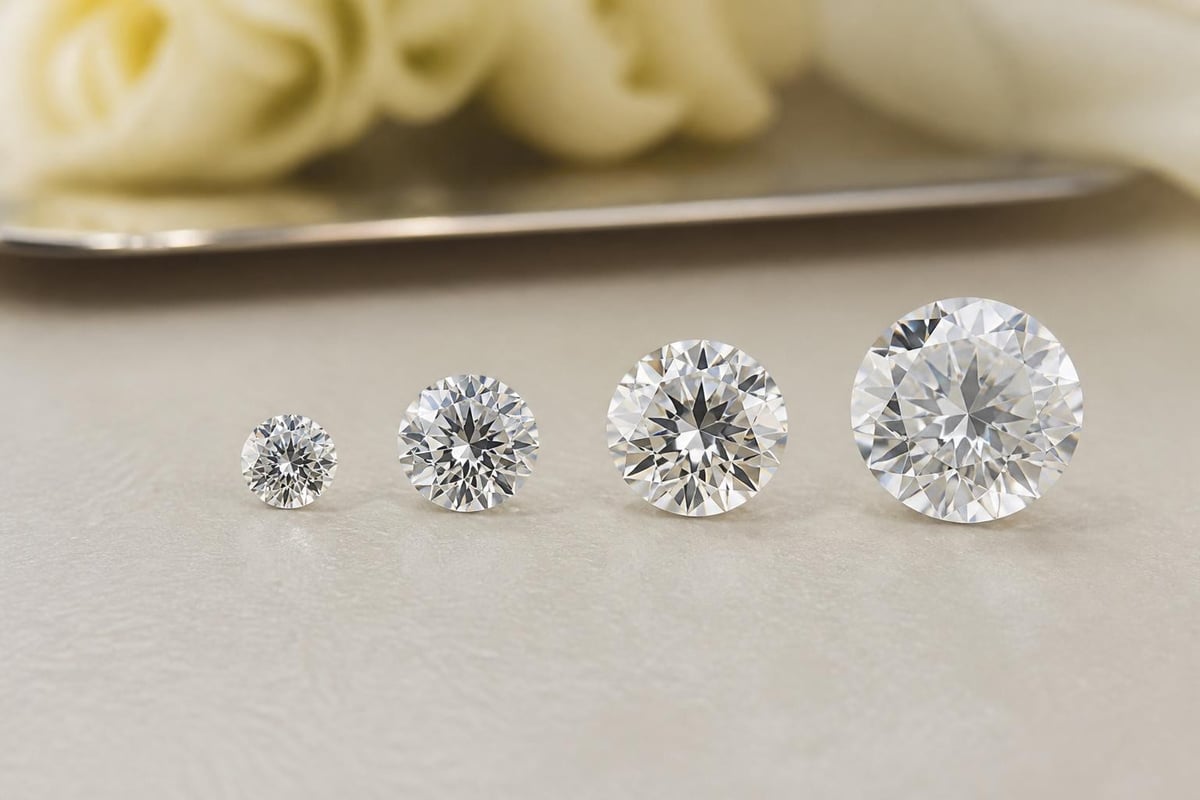
The traditional 4Cs remain the foundation for determining the price of natural diamond, yet their application has become increasingly sophisticated. Carat weight represents the most straightforward measurement, with prices escalating exponentially rather than linearly as size increases. A two-carat diamond does not simply cost twice as much as a one-carat stone of comparable quality.
Cut quality significantly impacts both brilliance and value. Superior cutting requires skilled craftsmanship and often results in greater material loss during production, justifying premium pricing. The comprehensive guide on natural diamond pricing factors provides detailed analysis of how precision cutting affects overall valuation.
Color grading follows a scale from D (colorless) to Z (light yellow or brown), with colorless specimens commanding substantial premiums. Each grade shift can represent thousands of dollars in price differential, particularly in larger stones.
Clarity encompasses the presence and visibility of internal characteristics or external blemishes. Flawless and internally flawless diamonds remain exceptionally rare, comprising less than one percent of all mined natural diamonds.
Current Market Conditions in 2026
The price of natural diamond has experienced notable fluctuations over recent years, influenced by unprecedented market pressures and evolving consumer preferences.
Recent Price Trends
Industry data reveals complex patterns in diamond pricing throughout the past several years. According to recent analyses of diamond price movements, natural diamond prices have experienced adjustments due to inventory levels and shifting demand dynamics. The market has shown resilience despite challenges from alternative options gaining consumer attention.
| Time Period | Market Movement | Key Influencing Factors |
|---|---|---|
| 2020-2021 | Initial decline followed by recovery | Pandemic disruption, pent-up demand |
| 2022-2023 | Gradual stabilization | Supply chain normalization |
| 2024-2025 | Selective adjustment | Lab-grown competition, economic conditions |
| 2026 Current | Strategic positioning | Rarity emphasis, provenance focus |
The December 2025 market report highlighted specific shape preferences and their corresponding price implications, with round brilliant cuts maintaining premium positions while fancy shapes showed varied performance based on trending aesthetics.
Shape-Specific Pricing Variations
Different diamond shapes command distinct price premiums based on cutting complexity, material retention, and consumer demand. Round brilliant cuts typically require more rough diamond material loss during cutting, contributing to higher per-carat pricing compared to many fancy shapes.
- Round brilliant: Premium pricing due to cutting complexity and universal appeal
- Princess and cushion: Moderate pricing with efficient material utilization
- Emerald and Asscher: Value positioning with distinctive step-cut aesthetics
- Oval, pear, and marquise: Variable pricing based on length-to-width ratios and symmetry
- Radiant and heart: Specialized pricing for unique applications
Certification and Authentication Impact
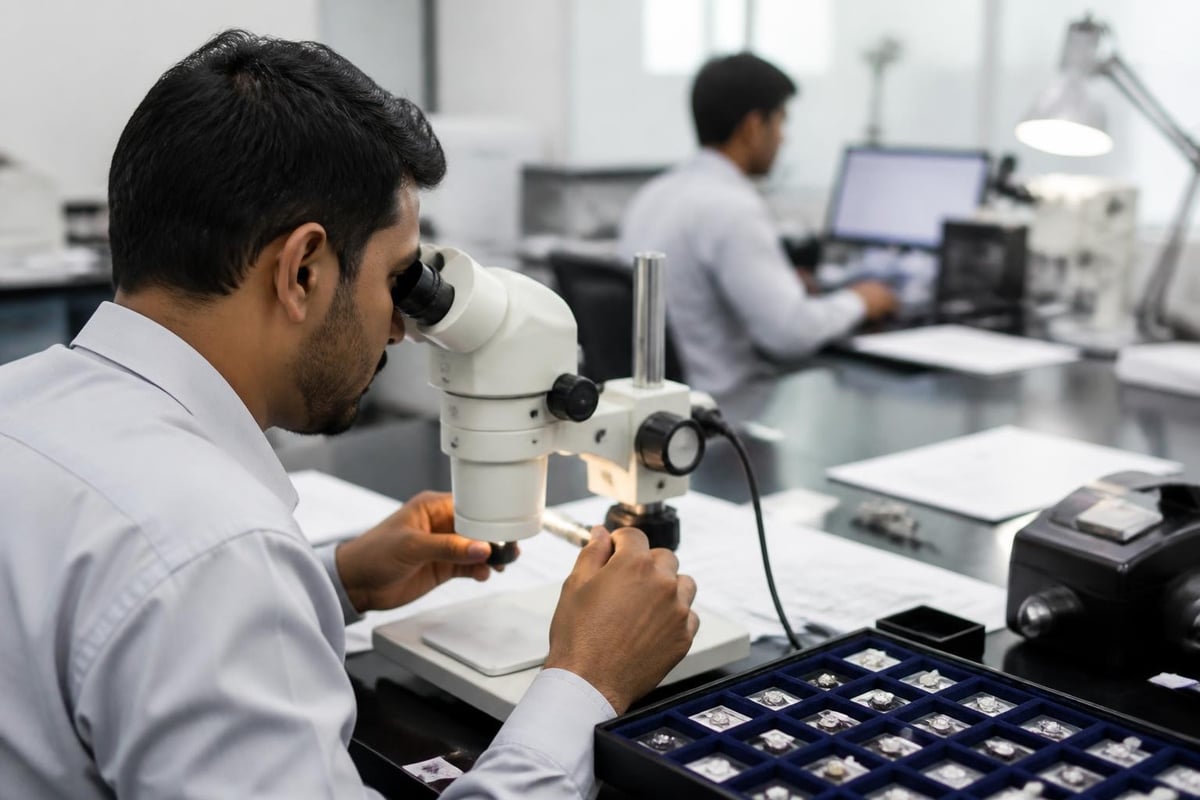
Third-party certification profoundly influences the price of natural diamond by providing objective quality verification and market confidence. Gemological laboratories establish standardized grading protocols that enable consistent valuation across global markets.
Recognized Certification Bodies
GIA (Gemological Institute of America) maintains the most widely recognized certification standards, with GIA-certified diamonds often commanding premiums over comparable stones with alternative certifications. Their comprehensive grading reports detail all quality parameters with rigorous consistency.
AGS (American Gem Society) emphasizes cutting quality assessment with proprietary light performance evaluation systems. AGS-certified diamonds with ideal cut grades represent exceptional craftsmanship worthy of premium consideration.
Additional respected certifications include IGI (International Gemological Institute) and HRD Antwerp, each maintaining specific grading protocols and market recognition levels. The curated collections at La Maison Val D'or feature certified stones from prestigious laboratories, ensuring authenticity and quality assurance.
Rarity Factors and Premium Positioning
Beyond standard grading parameters, exceptional rarity characteristics can exponentially increase the price of natural diamond. These distinguishing features separate extraordinary specimens from conventional inventory.
Fancy Color Diamonds
Natural fancy color diamonds represent some of the rarest gemstones on earth. Blue diamonds colored by trace boron elements command astronomical premiums, with exceptional examples reaching millions per carat at auction. Pink diamonds, particularly those from the now-depleted Argyle mine, have appreciated dramatically as finite supply meets sustained demand.
Yellow and brown diamonds exist in greater abundance yet still command premiums when exhibiting vivid saturation. Green, orange, and red diamonds rank among the rarest color expressions in nature, with pricing reflecting extreme scarcity.
Origin and Provenance
Diamonds from specific geological sources carry distinct market positioning based on historical significance and quality reputation. Golconda diamonds from historical Indian mines command premiums for exceptional purity and storied heritage, despite production ceasing centuries ago.
Modern mines with quality reputations also influence pricing:
- Russian sources: Known for high-color, well-formed crystals
- Botswana production: Recognized for quality and ethical practices
- Canadian diamonds: Marketed with origin certification and sustainability emphasis
- Australian output: Previously famous for pink diamond production
Size Categories and Price Jumps
The relationship between carat weight and the price of natural diamond follows non-linear patterns with distinct threshold effects. Understanding these critical size points enables strategic acquisition decisions.
Critical Weight Thresholds
Price-per-carat increases accelerate dramatically at psychologically significant weight milestones. Diamonds just below threshold weights (0.90-0.95 carat, 1.90-1.95 carat) offer strategic value propositions while appearing visually similar to round-number weights when mounted.
| Carat Range | Price Characteristic | Strategic Consideration |
|---|---|---|
| 0.50-0.99 | Accessible entry point | Maximizes visual impact per dollar |
| 1.00-1.49 | Significant premium at 1.00 | Consider 0.95 for value optimization |
| 1.50-1.99 | Steady appreciation | Sweet spot for serious collectors |
| 2.00-2.99 | Substantial jump at 2.00 | Investment-grade consideration |
| 3.00+ | Exponential pricing | Rarity drives valuation |
The tracking of diamond prices across millions of listings demonstrates these threshold effects with quantifiable data, revealing market psychology embedded in pricing structures.
Treatment and Enhancement Considerations
Treatments applied to natural diamonds significantly impact pricing by altering appearance characteristics. Full disclosure of any enhancements remains essential for transparent market transactions and appropriate valuation.
Common Enhancement Methods
Laser drilling removes dark inclusions by creating microscopic channels, improving apparent clarity while permanently altering the stone's natural state. Such treatments typically reduce value by twenty to thirty percent compared to untreated equivalents.
Fracture filling involves injecting glass-like substances into surface-reaching breaks, improving clarity appearance temporarily. These treatments require ongoing maintenance and substantially decrease the price of natural diamond compared to naturally clean stones.
HPHT treatment (High Pressure High Temperature) can improve color in certain diamond types, transforming lower-color grades into more desirable ranges. While the resulting diamond remains natural crystalline carbon, treatment disclosure affects market positioning and pricing.
Investment Perspective and Long-Term Value
Natural diamonds increasingly attract attention as tangible assets with inherent rarity and enduring cultural significance. The investment calculus extends beyond immediate acquisition cost to encompass appreciation potential and portfolio diversification benefits.
Market Resilience Factors
Historical data spanning decades demonstrates natural diamond price resilience through various economic cycles. Unlike many commodities, diamonds benefit from finite supply constraints as easily accessible deposits become depleted. New mine development requires substantial capital investment and lengthy development timelines, limiting supply expansion capabilities.
Cultural significance spanning millennia provides demand stability that transcends temporary market fluctuations. Diamonds maintain symbolic importance across diverse cultures for milestone celebrations and wealth preservation.
The analysis of diamond price movements from 2020 through 2026 reveals selective appreciation patterns, with exceptional quality stones outperforming average-grade inventory during challenging market conditions.
Purchasing Strategy Considerations
Acquiring natural diamonds at optimal value requires strategic timing, thorough research, and relationship development with reputable specialists. The price of natural diamond varies substantially based on purchasing channel and negotiation approach.
Evaluating Price Reasonableness
Comparative analysis across multiple certified stones provides pricing context essential for confident acquisition decisions. Online price databases offer transparency into market ranges, though individual stone characteristics may justify positioning outside typical brackets.
Request detailed certification from recognized laboratories and verify grading accuracy through independent review when considering significant investments. The monthly market analysis reports provide benchmark data for various quality combinations and shapes.
Building Specialist Relationships
Established relationships with knowledgeable jewelers provide access to exceptional stones before public market availability. Specialists familiar with client preferences can identify ideal matches that satisfy both aesthetic and value objectives.
Professional guidance proves particularly valuable when navigating:
- Custom design integration maximizing stone characteristics
- Setting style selection enhancing visual impact
- Portfolio building with complementary acquisition timing
- Authentication verification for unusual or exceptional specimens
Quality Versus Size Optimization
Budget allocation between size and quality parameters represents a fundamental decision affecting both immediate satisfaction and long-term value retention. The optimal balance depends on individual priorities, intended use, and personal aesthetic preferences.
The Quality Argument
Prioritizing cut, color, and clarity over carat weight produces visibly superior brilliance and fire in finished jewelry. A smaller diamond of exceptional quality typically outperforms a larger stone of compromised characteristics in terms of visual beauty and lasting appeal.
Cut excellence particularly deserves premium allocation, as this characteristic most directly influences light performance. A superbly cut one-carat diamond exhibits more brilliance than a poorly proportioned two-carat stone, despite substantial size difference.
Size Significance Factors
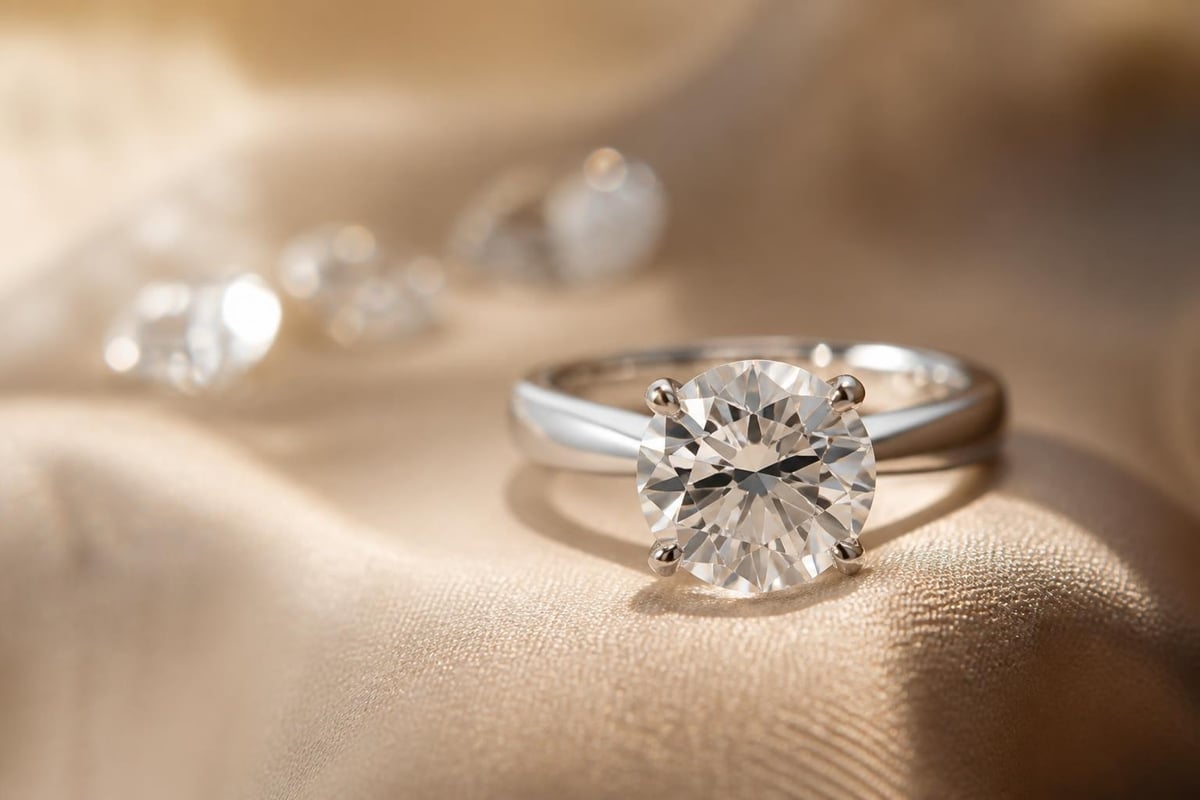
Certain applications benefit from size emphasis, particularly when visual presence serves symbolic or social functions. Engagement rings in particular carry cultural expectations regarding minimum size thresholds that vary by regional and demographic contexts.
Balance considerations for specific applications:
- Daily wear jewelry: Prioritize durability-friendly characteristics
- Special occasion pieces: Emphasize visual impact maximization
- Investment acquisitions: Focus on certified quality and rarity
- Heirloom creation: Balance size with timeless quality appeal
Seasonal and Economic Timing Factors
Strategic acquisition timing can influence the price of natural diamond through seasonal demand patterns and broader economic conditions. Understanding these cyclical factors enables opportunistic purchasing when favorable conditions align.
Peak Demand Periods
November through February represents peak engagement season in many markets, with retailers experiencing heightened traffic and reduced negotiation flexibility. Conversely, late summer months often present improved selection and pricing accommodation as retailers prepare for year-end inventory.
Economic uncertainty periods may present acquisition opportunities as discretionary luxury purchases decline temporarily, though exceptional quality stones maintain value stability regardless of broader market conditions. Patience and financial preparation enable capitalizing on favorable timing when circumstances align with acquisition readiness.
The sophisticated buyer recognizes that true value emerges from the intersection of personal satisfaction, quality excellence, and strategic market awareness rather than purely opportunistic timing.
Secondary Market Considerations
Previously owned natural diamonds offer alternative acquisition pathways with distinct pricing characteristics compared to new inventory. The secondary market encompasses estate pieces, upgraded trade-ins, and pure investment liquidations.
Pricing Dynamics in Resale
Secondary market pricing typically reflects meaningful discounts compared to retail replacement values, though exceptional or historical pieces may command premiums based on provenance. Certification age affects perceived reliability, with older certificates sometimes warranting re-evaluation using contemporary grading standards.
Reputable sources for secondary acquisitions include established jewelers with trade-in programs, specialized estate dealers, and auction houses handling significant pieces. Each channel offers different pricing structures, authentication assurances, and return policies requiring careful evaluation.
Understanding the multifaceted elements influencing the price of natural diamond empowers confident acquisition decisions aligned with both aesthetic preferences and investment objectives. Quality certification, rarity factors, market timing, and strategic size-versus-quality optimization collectively determine exceptional value in diamond purchases. Whether seeking a singular statement piece or building a meaningful collection, La Maison Val D'or offers expertly curated selections of certified natural diamonds, providing personalized guidance through every aspect of the acquisition journey with the attention to quality and authenticity that discerning collectors deserve.