
Creating a custom loose diamond ring represents one of the most meaningful investments in fine jewelry you'll ever make. Rather than selecting a pre-designed piece, choosing a loose diamond first allows you to craft something truly personal while potentially maximizing both quality and value. This approach has gained significant momentum among discerning jewelry enthusiasts who appreciate the flexibility and transparency it provides. Understanding the process, from diamond selection through final setting, empowers you to make informed decisions that align with your aesthetic vision and budget.
Understanding the Value Proposition of Loose Diamonds
Purchasing a loose diamond separately from its setting offers distinct advantages that traditional jewelry buying cannot match. When you invest in a loose diamond ring through this method, you gain complete control over every element of the design process.
Financial transparency stands as the primary benefit. You can allocate your budget precisely between the diamond and the setting, rather than accepting predetermined combinations. This separation allows you to prioritize what matters most to you, whether that's maximizing carat weight, achieving exceptional clarity, or selecting an intricate setting design.
Quality Assessment and Certification
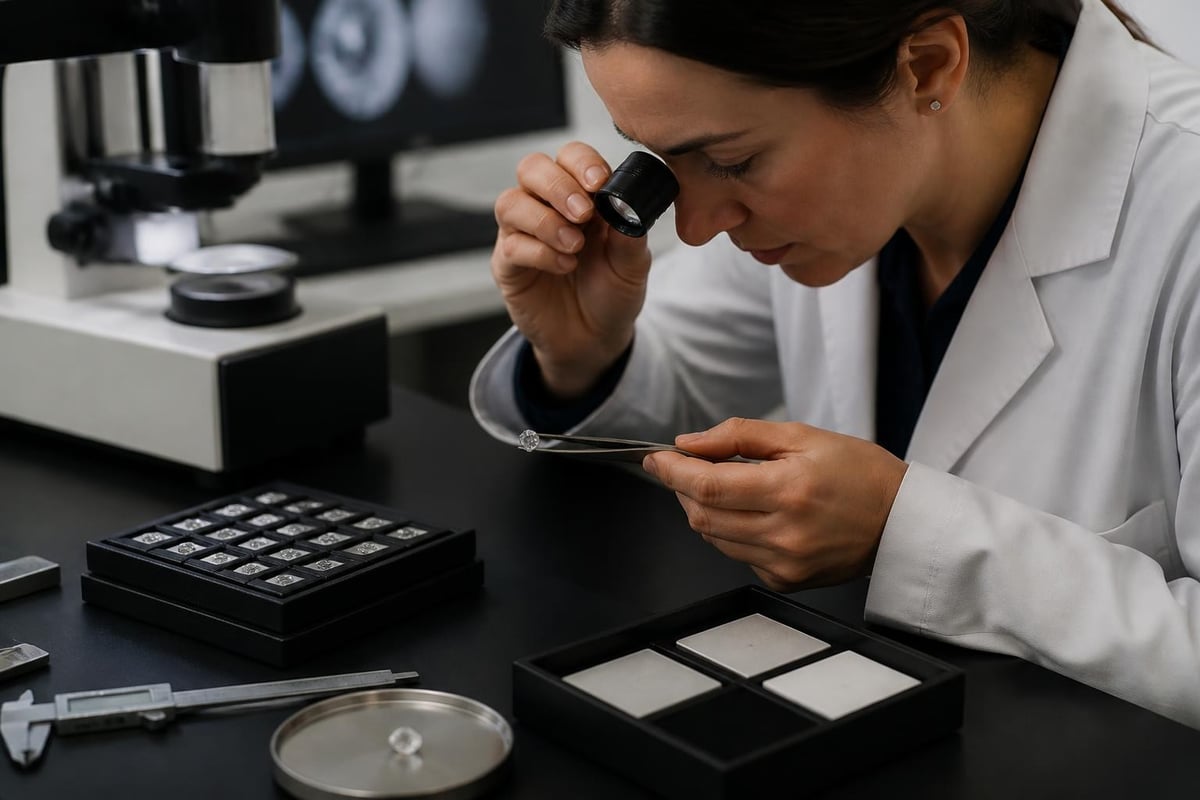
A loose diamond provides unobstructed access for thorough examination. When a stone sits unmounted, gemologists can evaluate it from all angles without interference from prongs or bezels. This comprehensive visibility ensures accurate grading and authentic certification.
Professional certification from recognized laboratories validates your investment. The process of evaluating loose diamonds requires expertise in the Four Cs: cut, color, clarity, and carat weight. Each factor contributes to the overall beauty and value of your future loose diamond ring.
| Certification Lab | Recognition Level | Grading Strictness | International Acceptance |
|---|---|---|---|
| GIA | Highest | Very Strict | Universal |
| AGS | Very High | Very Strict | Widely Accepted |
| IGI | High | Moderate-Strict | International |
| EGL | Moderate | Variable | Limited |
Evaluating Diamond Quality for Your Ring
The Four Cs framework provides the foundation for assessing any loose diamond, but understanding how these characteristics interact requires nuance and experience.
Cut Quality and Light Performance
Cut determines how brilliantly your loose diamond ring will sparkle. A well-proportioned diamond reflects light internally from facet to facet before dispersing it through the crown, creating the fire and brilliance that captivates observers.
Excellent cut grades maximize light return:
- Ideal proportions create optimal brightness
- Symmetrical facets ensure even light distribution
- Proper depth percentages prevent light leakage
- Polish quality affects surface reflection
Prioritizing cut quality often delivers more visual impact than increasing carat weight. A smaller, brilliantly cut diamond typically appears more impressive than a larger stone with poor proportions.
Color and Clarity Considerations
Color grading in diamonds ranges from D (colorless) to Z (light yellow or brown). For a loose diamond ring that appears colorless when set, grades D through J generally work well, with the optimal choice depending on the setting metal and your personal sensitivity to color.
Clarity refers to internal characteristics (inclusions) and external blemishes. Most inclusions remain invisible to the naked eye in grades VS2 and higher. When selecting a loose diamond for an engagement ring, clarity becomes particularly important for larger stones where imperfections become more visible.
Natural Versus Lab-Grown Diamonds
The diamond industry has evolved significantly with the introduction of laboratory-created stones. Both natural and lab-grown diamonds share identical physical, chemical, and optical properties, making the choice largely philosophical and financial.
Comparing Origin Options
Natural diamonds formed billions of years ago under extreme pressure and temperature deep within the earth. Their rarity and geological history contribute to their traditional value proposition.
Lab-grown diamonds replicate these natural conditions in controlled environments using either High Pressure High Temperature (HPHT) or Chemical Vapor Deposition (CVD) methods. The current perspective on natural and lab-grown diamonds recognizes both as legitimate options with distinct advantages.
Natural Diamond Benefits:
- Traditional value retention
- Historical significance
- Natural rarity
- Investment potential
Lab-Grown Diamond Benefits:
- Typically 40-60% less expensive
- Guaranteed ethical sourcing
- Environmentally controlled creation
- Larger sizes for equivalent budgets
When planning your loose diamond ring, consider which factors align with your values and priorities. La Maison Val D'or offers expertise in both natural and laboratory-created gemstones, ensuring you receive guidance tailored to your specific preferences.
Ring Setting Styles and Compatibility
Once you've selected your diamond, choosing the right setting transforms your loose stone into a wearable masterpiece. The setting serves both aesthetic and practical functions, securing your diamond while showcasing its brilliance.
Classic Setting Types
Different settings complement different diamond shapes and sizes. Understanding these relationships ensures your loose diamond ring achieves the visual balance you envision.
| Setting Style | Best For | Security Level | Visual Effect |
|---|---|---|---|
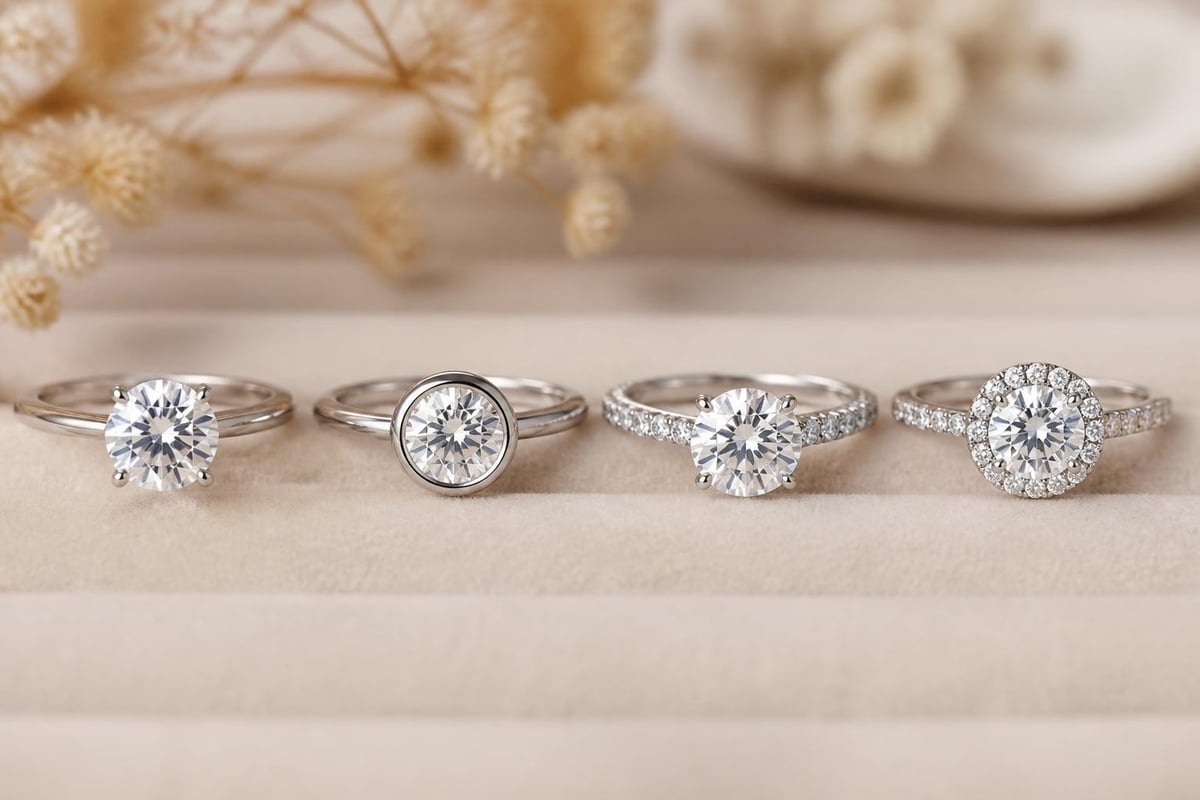
| Prong (4 or 6) | Round, oval, cushion | High | Maximum light exposure |
| Bezel | All shapes | Very High | Modern, protective |
| Pavé | Accent stones | Moderate-High | Enhanced sparkle |
| Channel | Baguettes, rounds | High | Sleek, contemporary |
| Halo | Center stones under 1ct | High | Enlarges appearance |
The guide to ring settings for loose stones explores how each design affects both security and appearance. For active lifestyles, bezel settings provide maximum protection, while traditional prong settings maximize light return for optimal brilliance.
Metal Selection for Your Band
The metal you choose for your loose diamond ring impacts both durability and color presentation. Each option offers distinct characteristics:
Platinum delivers exceptional durability and naturally white color that won't fade or require rhodium plating. Its density makes it the most secure option for valuable stones, though it commands premium pricing.
White gold provides a platinum-like appearance at a more accessible price point. However, it requires periodic rhodium replating to maintain its bright white finish.
Yellow gold offers timeless warmth and complements diamonds in the I-K color range particularly well, as the warm metal tone masks slight yellow tints in the stone.
Rose gold has gained popularity for its romantic, vintage-inspired aesthetic. The copper content creates the distinctive pink hue while maintaining durability comparable to yellow gold.
The Custom Design Process
Creating a custom loose diamond ring involves several coordinated steps that transform your vision into reality. This process typically spans four to eight weeks from initial consultation to final delivery.
Initial Consultation and Design Development
Begin by articulating your style preferences, budget parameters, and practical considerations. Professional jewelers at La Maison Val D'or translate these elements into preliminary designs that balance aesthetics with structural integrity.
Design considerations include:
- Daily wearability and lifestyle factors
- Proportion between diamond size and band width
- Comfort fit and finger shape compatibility
- Coordinating wedding band options
- Personalization details and engraving
CAD Rendering and Approval
Modern custom jewelry creation utilizes Computer-Aided Design (CAD) technology to visualize your loose diamond ring before production begins. These detailed renderings show precise proportions, viewing the piece from multiple angles.
This preview stage allows adjustments without material waste. You can evaluate how different prong styles, band widths, or accent stone placements affect the overall composition. Revisions at this stage cost nothing compared to modifications after casting.
Setting Your Diamond Professionally
Once the mounting is complete, the process of setting diamonds requires precision craftsmanship. Professional setters secure your stone using specialized tools and techniques developed through years of training.
Quality setting work ensures:
- Proper tension without stress fractures
- Symmetrical prong or bezel placement
- Flush seating against the mounting
- Secure girdle support at multiple points
- Polish and finishing that matches the band
Caring for Your Loose Diamond Ring
Proper maintenance preserves both the beauty and security of your investment. Even the most expertly crafted loose diamond ring requires regular attention to maintain its pristine condition.
Routine Inspection and Cleaning
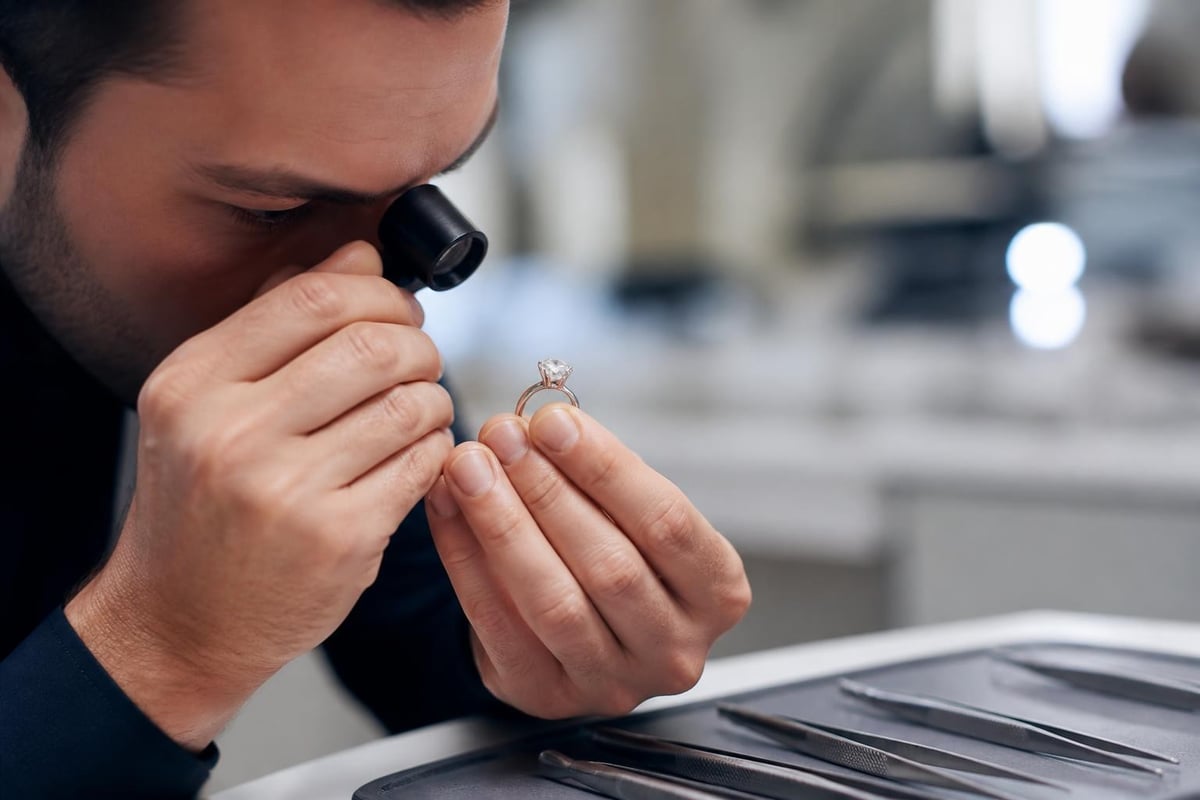
Professional jewelers recommend biannual inspections to verify prong integrity and check for loose stones. Identifying loose gemstones early prevents loss and allows timely repairs before damage occurs.
Home cleaning guidelines:
- Soak in warm water with mild dish soap for 20-30 minutes
- Gently brush with a soft toothbrush, especially under the setting
- Rinse thoroughly under warm running water
- Dry with a lint-free cloth
- Avoid harsh chemicals, ultrasonic cleaners without professional guidance
Professional Maintenance Services
Annual professional cleaning includes ultrasonic or steam cleaning that removes buildup from areas you cannot reach at home. Jewelers simultaneously inspect structural integrity, checking for worn prongs, bent shanks, or other wear patterns.
Investment Considerations and Insurance
A loose diamond ring represents significant financial and emotional value. Protecting this investment requires proper documentation and insurance coverage tailored to jewelry-specific risks.
Appraisal and Documentation
Obtain a detailed appraisal from an independent, certified gemologist appraiser shortly after purchase. This document should include:
- Complete Four Cs specifications
- Certification laboratory and report number
- Detailed setting description and metal weight
- High-resolution photographs from multiple angles
- Current replacement value
Update appraisals every three to five years to reflect market value changes and ensure adequate insurance coverage.
Insurance Options
Standard homeowners or renters insurance typically provides limited jewelry coverage, often capped at $1,000 to $2,500 per item. Dedicated jewelry insurance offers comprehensive protection including:
Covered risks:
- Accidental loss or mysterious disappearance
- Theft without deductible
- Damage requiring repair or replacement
- Stone loss from settings
Premiums typically range from $1 to $2 per $100 of appraised value annually. This modest expense provides peace of mind and financial protection for your loose diamond ring investment.
Trends Shaping Loose Diamond Rings in 2026
The fine jewelry landscape continues evolving, with several trends influencing how consumers approach loose diamond ring purchases this year.
Sustainability and Ethical Sourcing
Transparency in diamond sourcing has become paramount for modern consumers. Important considerations before purchasing loose diamonds now include environmental impact and ethical mining practices.
Blockchain technology increasingly traces diamonds from mine to market, providing verifiable provenance documentation. This transparency appeals particularly to younger buyers who prioritize corporate social responsibility.
Unique Cuts and Personalization
While round brilliant diamonds remain perennially popular, fancy shapes have gained market share. Oval, pear, and emerald cuts offer distinctive profiles that stand out from traditional designs.
Trending shape preferences:
- Elongated cushion cuts for vintage appeal
- Radiant cuts combining brilliance with geometric lines
- Marquise cuts experiencing a revival
- Hexagonal and geometric custom cuts
Personalization extends beyond shape to include custom engraving, mixed metal designs, and meaningful accent stone placement. These details transform a beautiful loose diamond ring into a deeply personal heirloom.
Working with Specialized Jewelers
Partnering with experienced fine jewelry specialists ensures your loose diamond ring exceeds expectations. The expertise required spans gemology, design, metalworking, and customer service.
What to Expect from Premier Service
Reputable jewelers provide comprehensive support throughout your journey. This includes education about diamond characteristics without pressure, transparent pricing that itemizes each component, and craftsmanship guarantees backing their work.
La Maison Val D'or's curated collections represent the quality standards you should expect when investing in fine jewelry. Their expertise in loose precious stones ensures you receive guidance grounded in gemological knowledge and design excellence.
Questions to Ask Your Jeweler
Before purchasing your diamond:
- Can I see the diamond under magnification?
- What return or exchange policies apply?
- How does this stone compare to similar options in my budget?
- What certification accompanies the diamond?
Regarding the setting:
- What is the production timeline?
- How many revision opportunities does the design process include?
- What warranty covers the craftsmanship?
- Do you provide lifetime maintenance services?
Sizing and Fit Considerations
A loose diamond ring must fit comfortably for daily wear while remaining secure enough to prevent loss. Achieving this balance requires attention to several factors beyond simple diameter measurement.
Accurate Size Determination
Finger size fluctuates with temperature, time of day, and activity level. Professional sizing accounts for these variables by measuring multiple times under different conditions.
Sizing factors to consider:
- Knuckle size relative to finger base
- Band width affecting perceived fit
- Seasonal temperature variations
- Dominant hand tendency to swell more
Wide bands (over 6mm) feel tighter than narrow bands in the same size. You may need a half or full size larger than your typical ring size when designing a substantial loose diamond ring.
Comfort Fit Profiles
The interior band profile significantly impacts wearability. Flat interior bands provide maximum surface contact but may feel tight or restrictive. Comfort fit bands feature a gently rounded interior that slides on easily while remaining secure.
This domed interior reduces contact area, which some find more comfortable for constant wear. The trade-off involves slightly more metal content and marginally higher production costs.
Alternative Diamond Shapes and Their Impact
While round brilliant cuts dominate engagement ring sales, alternative shapes offer distinct aesthetic qualities that may better suit your style preferences or hand proportions.
Fancy Shape Characteristics
Each diamond shape exhibits unique optical properties and visual appeal:
| Shape | Facet Count | Best Feature | Ideal Length/Width |
|---|---|---|---|
| Round Brilliant | 58 | Maximum brilliance | 1.00 (circular) |
| Princess | 58-76 | Contemporary geometry | 1.00-1.05 |
| Emerald | 50-58 | Hall-of-mirrors effect | 1.30-1.50 |
| Oval | 56-58 | Elongating appearance | 1.35-1.50 |
| Cushion | 58-64 | Vintage charm | 1.00-1.10 |
Elongated shapes like oval, marquise, and pear create the illusion of greater size while also making fingers appear longer and more slender. These proportions often provide more visual impact per carat compared to round diamonds.
Color and Clarity Priorities by Shape
Different cuts reveal color and clarity characteristics differently. Brilliant cuts with numerous facets (round, princess, radiant) mask slight color tints better than step cuts (emerald, Asscher) with large, open facets.
For your loose diamond ring, if selecting an emerald or Asscher cut, prioritize higher clarity grades (VS1 or better) since these shapes make inclusions more visible. Conversely, brilliant cuts provide more flexibility in clarity selection while maintaining eye-clean appearance.
Creating your perfect loose diamond ring combines gemological knowledge, design expertise, and personal vision into a piece that transcends ordinary jewelry. The process rewards patience and informed decision-making with a custom creation that reflects your unique style and values. Whether you're drawn to classic elegance or contemporary innovation, La Maison Val D'or provides the expertise and curated selection to guide you from loose stone selection through final setting, ensuring your investment becomes a treasured heirloom for generations to come.