The world of fine jewelry has long been defined by a select group of gemstones whose beauty, rarity, and durability set them apart from all others. The precious stones represent the pinnacle of nature's artistry, formed over millions of years beneath the earth's surface through extraordinary geological processes. These gems have captivated civilizations throughout history, adorning royalty, symbolizing power and love, and serving as tangible expressions of wealth and refined taste. Understanding what makes these stones precious provides essential knowledge for anyone seeking to invest in truly exceptional jewelry pieces.
Defining the Precious Stones
The term "precious stones" traditionally refers to four specific gemstones: diamonds, rubies, sapphires, and emeralds. National Geographic's comprehensive guide to minerals and gems explains how these stones achieved their elevated status through a combination of exceptional characteristics. Each possesses remarkable hardness, extraordinary beauty, and significant rarity in nature.
The Classification System
The distinction between precious and semi-precious stones emerged from historical trading practices and continues to influence the jewelry market today. However, this classification extends beyond simple categorization. The precious stones command higher prices and greater prestige because they meet stringent criteria that few other minerals can match.
Key characteristics that define precious stones include:
- Exceptional hardness on the Mohs scale (8-10)
- Remarkable optical properties including brilliance and color
- Significant rarity in high-quality specimens
- Enduring cultural and historical significance
- Proven long-term value retention
The distinction between precious and semi-precious gemstones helps collectors and investors understand market dynamics, though exceptional semi-precious stones can sometimes exceed the value of lower-quality precious varieties.
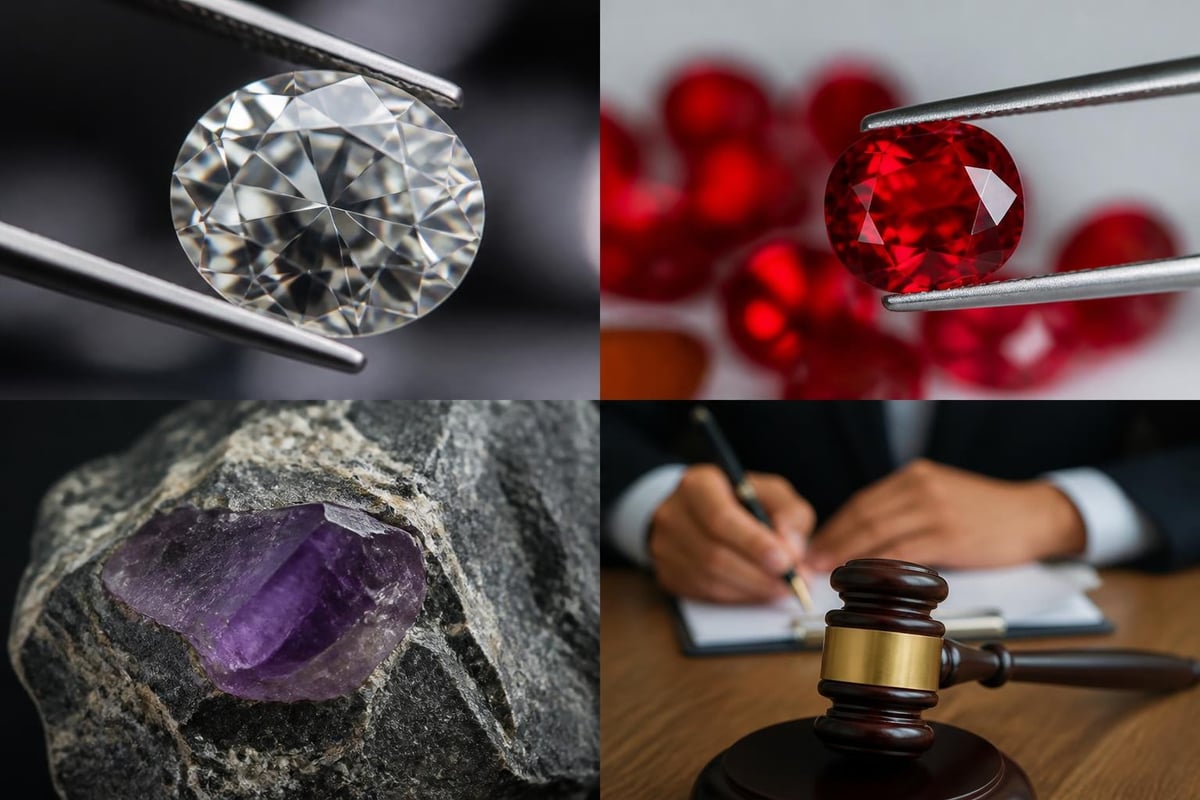
Diamond: The Ultimate Precious Stone
Diamond stands as the most recognized among the precious stones, renowned for its unmatched hardness and brilliant fire. This crystalline form of carbon forms under extreme pressure and temperature conditions deep within the earth's mantle, typically at depths exceeding 100 miles.
Unique Diamond Properties
Physical Characteristics:
| Property | Measurement | Significance |
|---|---|---|
| Hardness | 10 (Mohs scale) | Highest of all natural materials |
| Refractive Index | 2.42 | Creates exceptional brilliance |
| Dispersion | 0.044 | Produces characteristic fire |
| Density | 3.52 g/cm³ | Aids in authentication |
The diamond's position among the precious stones stems from its remarkable optical properties. When properly cut, diamonds display extraordinary brilliance through internal reflection and dispersion of light into spectral colors. This phenomenon, combined with their enduring hardness, makes diamonds the preferred choice for engagement rings and heirloom pieces.
Modern diamond evaluation relies on the Four Cs: cut, color, clarity, and carat weight. Each factor contributes significantly to a diamond's value, with colorless stones of high clarity commanding premium prices. The geological formation of precious stones reveals why truly exceptional diamonds remain extraordinarily rare.
Ruby: The King of Colored Stones
Ruby, the red variety of the mineral corundum, ranks second only to diamond in hardness among the precious stones. This exceptional durability, combined with its intense crimson color, has made ruby a symbol of passion, power, and prosperity throughout history.
The Color of Desire
The most valuable rubies display a pure, vivid red hue, sometimes described as "pigeon's blood" in trade terminology. This coloration results from trace amounts of chromium within the corundum crystal structure. The same element that creates ruby's captivating color also causes fluorescence under ultraviolet light, adding to the stone's allure.
Ruby quality factors:
- Color intensity and purity (most critical factor)
- Clarity and absence of significant inclusions
- Cut quality and proportions
- Carat weight and size
- Origin (Burmese rubies command premium prices)
Fine rubies exceeding five carats are exceptionally rare, often commanding prices that rival or exceed comparable diamonds. The scarcity of high-quality material makes ruby one of the most valuable among the precious stones in today's market.
Sapphire: The Gem of Celestial Blue
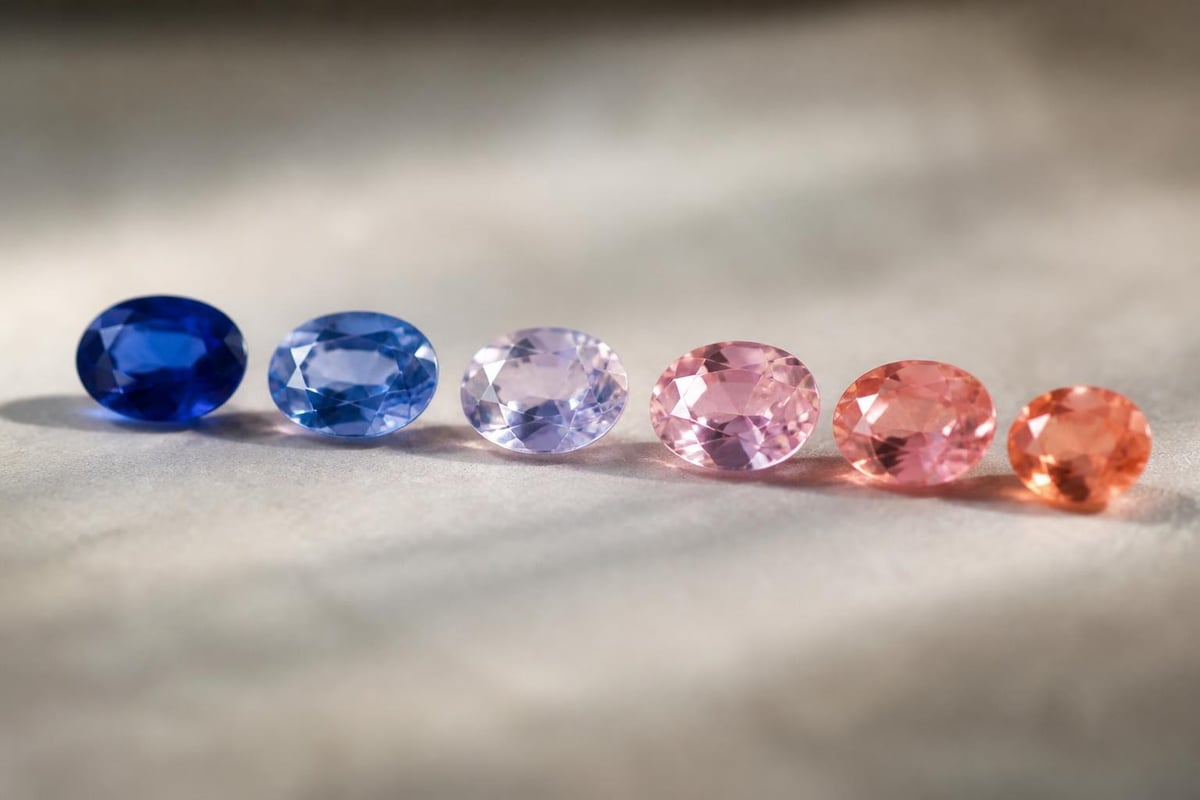
While sapphire is best known for its iconic blue variety, this member of the precious stones actually occurs in virtually every color except red (which would classify it as ruby). All colored varieties of corundum other than ruby fall under the sapphire designation, though blue remains the most sought-after and valuable.
Beyond Blue
Sapphire color varieties and characteristics:
| Variety | Color Cause | Market Value |
|---|---|---|
| Blue | Iron and titanium | Highest for vivid cornflower blue |
| Padparadscha | Chromium | Extremely rare, premium prices |
| Pink | Chromium | Increasingly popular |
| Yellow | Iron | Moderate pricing |
| White/Colorless | Absence of impurities | Diamond alternative |
The finest blue sapphires exhibit a rich, velvety appearance with strong saturation and medium tone. Kashmir sapphires, mined in the Himalayan region, represent the pinnacle of sapphire quality, though production from these historic deposits has essentially ceased. Ceylon (Sri Lankan) and Burmese sapphires also command premium prices among the precious stones.
Understanding gemstone classification helps collectors appreciate why certain sapphire varieties achieve exceptional valuations despite their relative abundance compared to other precious stones.
Emerald: Green Fire from Earth's Depths
Emerald, the green variety of beryl, completes the quartet of precious stones with its distinctive verdant beauty. Unlike its harder cousins, emerald is prized primarily for its incomparable color rather than durability, as most specimens contain visible inclusions called "jardin" (French for garden).
The Acceptance of Imperfection
The precious stones each present unique evaluation challenges, but emerald stands apart in the acceptance of its natural characteristics. The gemological community and collectors recognize that essentially flawless emeralds are so rare that visible inclusions become expected and accepted, provided they don't compromise structural integrity.
Factors affecting emerald value:
- Color intensity and blue-green hue (Colombian emeralds set the standard)
- Transparency despite typical inclusions
- Size (large, fine emeralds are extraordinarily rare)
- Treatment status (oil treatment is standard practice)
- Origin provenance
The finest emeralds exhibit a rich, slightly bluish-green color with strong saturation. Colombian emeralds from the Muzo and Chivor mines historically represented the apex of quality, though Zambian emeralds have gained recognition for their exceptional color and clarity in recent decades.
Geographic Origins and Value
The source of the precious stones significantly impacts their market value and desirability. Certain geographic locations have produced gemstones with such distinctive and superior qualities that origin becomes a critical value factor.
Premium Source Locations
Historic and current important deposits:
- Diamonds: Botswana, Russia, Canada, Australia, South Africa
- Rubies: Myanmar (Burma), Mozambique, Thailand, Sri Lanka
- Sapphires: Kashmir, Myanmar, Sri Lanka, Madagascar, Montana
- Emeralds: Colombia, Zambia, Brazil, Afghanistan
The composition and classification of gems varies based on geological conditions at each deposit, creating subtle but meaningful differences in appearance and quality. Burmese rubies, Kashmir sapphires, and Colombian emeralds command premium prices partly due to their historical significance and partly due to distinctive visual characteristics developed in those specific geological environments.
Modern gemological laboratories provide origin determination services, adding documentation that can significantly enhance the value of the precious stones from renowned localities. This authentication proves particularly important for high-value pieces where origin premiums can reach 20-50% or more.
Evaluating Quality and Authenticity
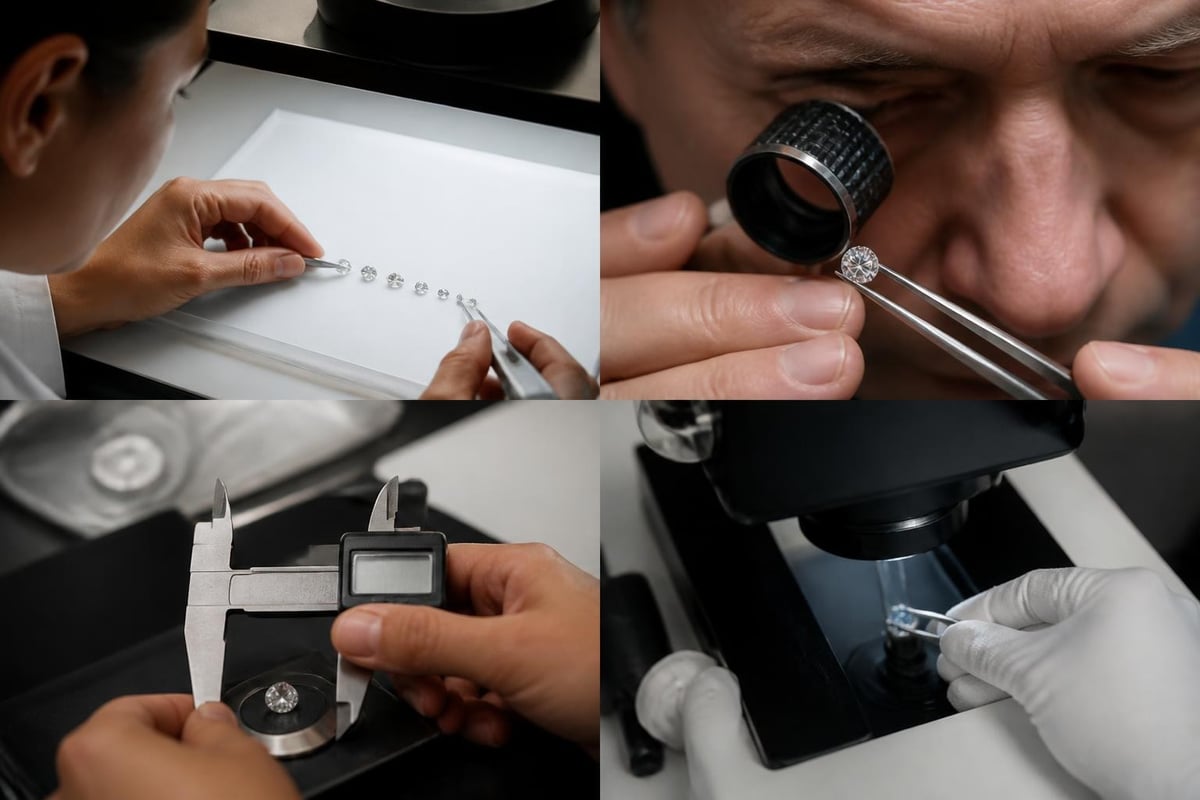
Understanding how to assess the precious stones requires knowledge of gemological principles and market standards. Professional evaluation considers multiple factors that collectively determine a gemstone's quality grade and market value.
Professional Grading Standards
| Quality Factor | Evaluation Criteria | Impact on Value |
|---|---|---|
| Color | Hue, tone, saturation | 40-60% for colored stones |
| Clarity | Inclusion type, visibility, location | 20-30% overall |
| Cut | Proportions, symmetry, polish | 15-25% overall |
| Carat Weight | Size and weight | Exponential increase |
| Treatment | Enhancement methods used | Can reduce value 30-80% |
The International Gemological Sciences definition of precious stones emphasizes that natural, untreated specimens command the highest prices, though certain traditional treatments (like heating sapphires or oiling emeralds) are widely accepted in the market.
Investment Considerations
The precious stones have served as stores of value throughout human history, offering tangible beauty combined with enduring worth. However, investing in gemstones requires specialized knowledge and realistic expectations about liquidity and appreciation potential.
Market Dynamics
Investment-grade characteristics:
- Natural origin without treatment (or minimal accepted treatments)
- Exceptional quality in all evaluation criteria
- Sufficient size (typically 1+ carats for diamonds, 2+ carats for colored stones)
- Professional certification from recognized laboratories
- Provenance documentation when relevant
The economic aspects of precious stone pricing demonstrate that values increase exponentially with size for high-quality material. A two-carat ruby of exceptional quality costs far more than twice the price of a one-carat stone of comparable quality, reflecting the rarity of larger specimens.
Collectors and investors should recognize that the precious stones market operates differently from securities markets. Liquidity varies significantly, and transaction costs (including dealer margins) can be substantial. However, the finest specimens have historically maintained or increased value over extended periods, particularly when acquired at fair market prices.
Caring for Precious Stone Jewelry
Proper maintenance ensures that the precious stones retain their beauty and value across generations. Each gemstone variety requires specific care protocols based on its physical and chemical properties.
Maintenance Best Practices
Care requirements by stone:
- Diamonds: Clean regularly with mild soap and warm water; professional cleaning annually; avoid harsh chemicals
- Rubies: Similar to diamonds; ultrasonic cleaning safe for untreated stones; avoid extreme temperature changes
- Sapphires: Very durable; similar care to rubies; resistant to most chemicals
- Emeralds: Gentle cleaning only; avoid ultrasonic cleaners; periodic re-oiling may be necessary; protect from impact
Storage practices also matter significantly. The precious stones should be kept separately to prevent harder stones from scratching softer materials. Individual soft pouches or divided jewelry boxes provide ideal storage conditions.
Professional inspection every 12-18 months allows jewelers to check settings, identify potential issues, and perform professional cleaning. This preventive maintenance protects both the stones and the investment they represent. At La Maison Val D'or, expert craftsmen understand the specific care requirements of each precious stone variety.
The Role of Certification
Gemological certification provides essential documentation for the precious stones, offering independent verification of a stone's characteristics and authenticity. Reputable laboratories employ advanced testing equipment and experienced gemologists to provide accurate assessments.
Leading Certification Organizations
Recognized gemological laboratories:
| Laboratory | Specialty | Global Recognition |
|---|---|---|
| GIA (Gemological Institute of America) | Diamonds, colored stones | Highest |
| AGS (American Gem Society) | Diamonds | Very high |
| SSEF (Swiss Gemmological Institute) | Colored stones, origin | Extremely high |
| GRS (Gem Research Swisslab) | Colored stones, origin | Very high |
| Gübelin | Colored stones, provenance | Extremely high |
Certification reports document color, clarity, cut quality, treatments, and often origin for the precious stones. This documentation proves particularly valuable for insurance purposes, estate planning, and eventual resale. The cost of certification represents a small fraction of a stone's value while providing significant peace of mind and market credibility.
Contemporary Trends and Preferences
The market for the precious stones continues to evolve, reflecting changing consumer preferences, new discoveries, and technological advances in both mining and gemological science. Understanding current trends helps collectors make informed acquisition decisions.
Emerging Market Patterns
Modern buyers increasingly prioritize ethical sourcing and environmental responsibility when acquiring the precious stones. This shift has elevated the importance of origin documentation and responsible mining certifications. Younger collectors particularly value transparency regarding mining conditions and environmental impact.
Current market preferences include:
- Emphasis on natural, untreated or minimally treated stones
- Growing interest in fancy colored diamonds
- Appreciation for unique characteristics and individuality
- Demand for comprehensive provenance documentation
- Preference for sustainable and ethical sourcing
The historical and cultural context of gemstone classification reveals how perceptions and preferences have shifted over centuries, though the fundamental appeal of the precious stones remains constant.
Selecting Your Precious Stone
Choosing among the precious stones for a significant jewelry piece requires balancing aesthetic preferences, budget considerations, and intended use. Each gemstone offers distinct advantages and characteristics that suit different tastes and occasions.
Decision Framework
Consider these factors:
- Personal color preferences and skin tone compatibility
- Durability requirements based on intended wear frequency
- Budget allocation across quality factors
- Symbolic or personal significance
- Long-term value retention goals
Diamonds offer unmatched versatility and universal appeal, making them ideal for engagement rings and pieces intended for daily wear. Rubies provide passionate color and exceptional durability, suitable for statement pieces and important occasions. Sapphires combine durability with diverse color options, offering personalization possibilities. Emeralds deliver incomparable green beauty for those who prioritize color above all other factors.
Working with knowledgeable jewelers who understand the nuances of the precious stones ensures informed decisions aligned with individual priorities and preferences. The expertise to guide clients through selection, quality assessment, and care recommendations proves invaluable when making significant gemstone acquisitions.
Laboratory-Created Alternatives
Technological advances have enabled the creation of synthetic versions of the precious stones that possess identical chemical, physical, and optical properties to their natural counterparts. Understanding the distinction between natural and laboratory-created gems helps collectors make informed choices.
Natural Versus Synthetic
| Aspect | Natural | Laboratory-Created |
|---|---|---|
| Formation | Geological processes, millions of years | Controlled laboratory environment, weeks/months |
| Chemical Composition | Identical within variety | Identical to natural |
| Physical Properties | Natural variation | Highly consistent |
| Market Value | Premium pricing | Typically 40-80% less |
| Rarity | Genuinely limited | Unlimited production potential |
The U.S. Geological Survey's gemstone terminology clarifies that laboratory-created stones are genuine gems, not imitations, but their unlimited availability and different origin significantly impacts market positioning and value.
For collectors prioritizing natural rarity and investment potential, natural precious stones remain the clear choice. However, laboratory-created alternatives offer beauty and durability at accessible price points, expanding opportunities for gemstone ownership. Reputable sellers clearly disclose whether stones are natural or laboratory-created, allowing informed purchase decisions.
The precious stones continue to captivate collectors and jewelry enthusiasts through their exceptional beauty, remarkable rarity, and enduring value. Understanding their unique characteristics, quality factors, and market dynamics empowers informed acquisition decisions that bring lasting satisfaction. Whether you're drawn to diamond's brilliant fire, ruby's passionate red, sapphire's celestial blue, or emerald's verdant allure, each precious stone offers timeless elegance worthy of celebration. La Maison Val D'or curates exceptional collections of fine jewelry featuring the world's most beautiful precious stones, combining expert gemological knowledge with timeless design to help you discover pieces that reflect your unique style and values.