
Selecting a diamond ring diamond represents one of the most significant jewelry investments you will make in your lifetime. Whether commemorating an engagement, anniversary, or personal milestone, understanding the intricate details that define diamond quality ensures you acquire a piece worthy of your investment and sentiment. The world of ultra fine jewelry demands discernment, knowledge, and an appreciation for the craftsmanship that transforms a rough stone into a symbol of eternal elegance.
Understanding Diamond Ring Diamond Quality Standards
The foundation of evaluating any diamond ring diamond begins with comprehension of the universally recognized Four Cs: cut, color, clarity, and carat weight. These parameters establish the framework through which gemologists assess value and beauty.
Cut represents the most critical factor in a diamond ring diamond's brilliance. A masterfully cut diamond maximizes light return, creating the fire and scintillation that captivates the eye. Cut grades range from Excellent to Poor, with superior cuts commanding premium prices due to the skill and material loss involved in their creation.
The Color Spectrum in Diamond Ring Diamonds
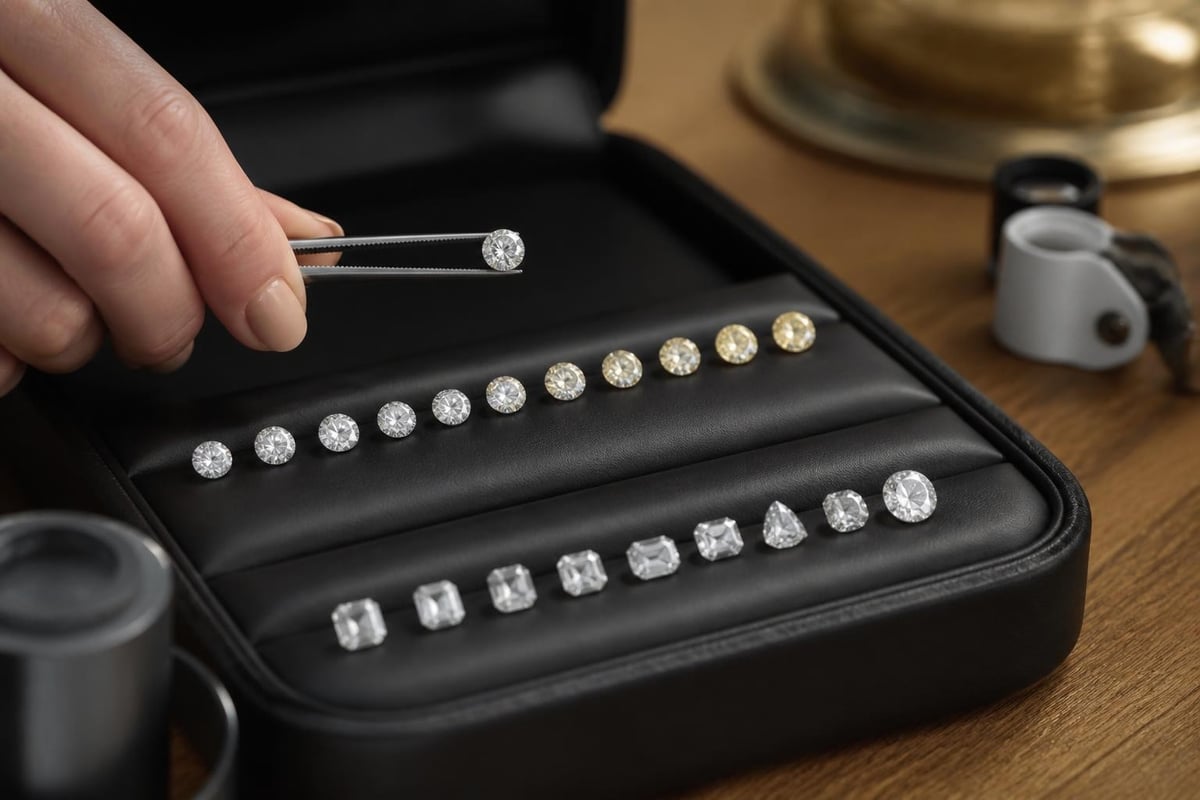
Color grading for diamond ring diamonds follows an alphabetical scale from D (colorless) to Z (light yellow or brown). The most valuable stones fall within the D-F range, exhibiting no perceptible color.
- D-F (Colorless): The pinnacle of diamond purity, these stones reflect light with maximum brilliance
- G-J (Near Colorless): Excellent value proposition with minimal color detection to the untrained eye
- K-M (Faint Yellow): Budget-conscious options that still maintain respectable beauty in proper settings
- N-Z (Very Light to Light): Visible warmth that some collectors appreciate for vintage-inspired designs
Understanding how color interacts with your chosen setting helps optimize the visual presentation of your diamond ring diamond. White metals like platinum and white gold complement colorless grades, while yellow gold can mask slight warmth in near-colorless stones.
Clarity Characteristics and Their Impact on Value
Clarity assessment examines internal inclusions and external blemishes within a diamond ring diamond. The grading scale progresses from Flawless (FL) through various inclusion levels to Included (I1-I3).
| Clarity Grade | Visibility | Value Impact | Best Use Case |
|---|---|---|---|
| FL-IF | No inclusions visible at 10x | Highest premium | Investment pieces |
| VVS1-VVS2 | Very difficult to detect at 10x | Excellent value | Special occasions |
| VS1-VS2 | Difficult to detect at 10x | Strong balance | Engagement rings |
| SI1-SI2 | Noticeable at 10x, often eye-clean | Budget-friendly | Daily wear |
| I1-I3 | Visible to naked eye | Lowest cost | Fashion jewelry |
Most discerning buyers find VS1-VS2 clarity grades offer the optimal balance between visual perfection and financial prudence. These diamond ring diamonds appear flawless to the unaided eye while avoiding the substantial premiums attached to higher grades.
Carat Weight Considerations for Diamond Ring Diamonds
Carat weight measures mass rather than size, though these correlate closely in practice. One carat equals 200 milligrams, with prices escalating dramatically at certain thresholds.
The relationship between carat weight and price follows an exponential rather than linear progression. A two-carat diamond ring diamond costs significantly more than double a one-carat stone of identical quality, reflecting increasing rarity at larger sizes.
Strategic Purchasing at Weight Thresholds
Savvy buyers recognize opportunities just below major weight categories. A 0.90-carat diamond ring diamond appears virtually identical to a full one-carat stone while commanding 10-15% lower pricing. Similarly, 1.90-carat diamonds offer tremendous value compared to two-carat specimens.
- Consider dimensions over weight for visual impact
- Prioritize cut quality to maximize perceived size
- Understand that shape influences apparent dimensions
- Remember that setting style affects size perception
Shape selection dramatically influences how large a diamond ring diamond appears. Elongated cuts like oval, pear, and marquise create the illusion of greater size compared to round brilliants of identical weight.
Certification and Authentication Standards
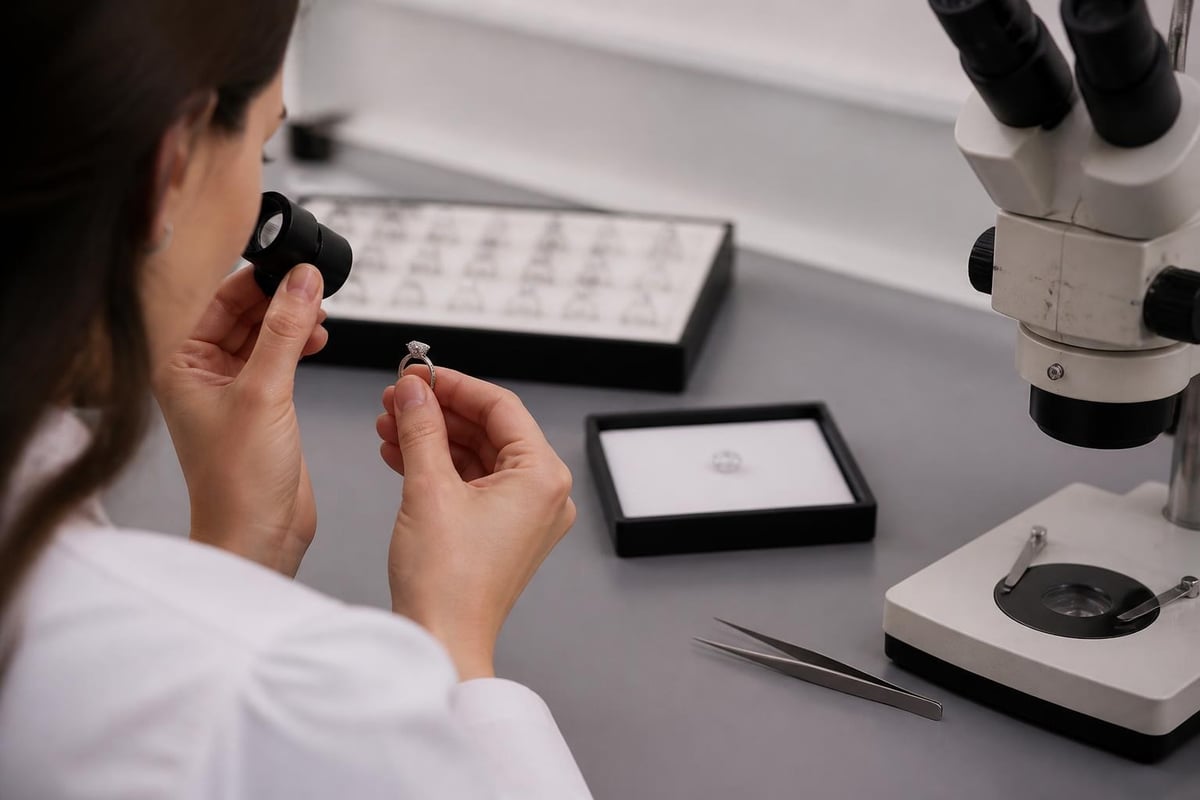
Reputable gemological laboratories provide independent verification of diamond ring diamond characteristics. The Gemological Institute of America (GIA) and American Gem Society (AGS) represent the industry gold standard for certification accuracy and consistency.
A comprehensive certification report documents the Four Cs alongside additional characteristics including fluorescence, polish, symmetry, and proportions. This documentation serves multiple purposes: authentication, insurance valuation, and future resale verification.
Red flags when evaluating certification:
- Labs with unknown reputations or inconsistent grading standards
- Missing or incomplete documentation for significant purchases
- Grades that seem too favorable relative to visual appearance
- Reluctance from sellers to provide independent verification
Third-party certification becomes increasingly critical as diamond ring diamond values escalate. For ultra fine jewelry acquisitions, accepting only GIA or AGS reports protects your investment and ensures accurate representation of quality attributes. Those exploring fine jewelry collections should always verify certification credentials before finalizing purchases.
Setting Styles and Their Influence on Diamond Presentation
The mounting you select profoundly impacts how your diamond ring diamond displays its inherent beauty. Settings range from minimalist solitaires that spotlight the center stone to elaborate halo designs that amplify visual presence.
Classic Setting Categories
Solitaire Settings: The quintessential choice for showcasing a diamond ring diamond without distraction. Four or six prongs secure the stone while allowing maximum light entry from all angles. This timeless design has endured for generations due to its elegant simplicity and versatility.
Halo Settings: A border of smaller accent diamonds surrounds the central diamond ring diamond, creating enhanced visual size and added sparkle. This style works exceptionally well for maximizing the perceived presence of modest carat weights.
Three-Stone Settings: Symbolic designs featuring a central diamond ring diamond flanked by two complementary stones. This configuration often represents past, present, and future or can showcase family birthstones alongside the primary diamond.
| Setting Type | Security Level | Maintenance Needs | Style Versatility |
|---|---|---|---|
| Solitaire | High | Low | Maximum |
| Halo | Medium | Medium | Moderate |
| Pavé | Medium | High | Moderate |
| Bezel | Highest | Lowest | Limited |
Metal selection interacts with your diamond ring diamond in subtle but meaningful ways. Platinum offers superior durability and a naturally white appearance that never requires replating. White gold provides similar aesthetics at lower cost but necessitates periodic rhodium refinishing. Yellow and rose gold create warm, vintage-inspired presentations ideal for certain diamond colors and personal preferences.
Ethical Sourcing and Sustainability Considerations
Modern consumers increasingly prioritize the provenance of their diamond ring diamond purchases. The Kimberley Process Certification Scheme established international standards to prevent conflict diamonds from entering legitimate markets.
Beyond basic conflict-free certification, several enhanced standards address environmental and social responsibility:
- Responsible Jewelry Council certification for ethical business practices
- Diamond producers committed to environmental restoration
- Blockchain technology enabling complete supply chain transparency
- Laboratory-grown alternatives offering identical physical properties with reduced ecological impact
Laboratory-grown diamonds present an compelling option for environmentally conscious buyers. These stones possess identical chemical composition, physical properties, and visual characteristics to natural diamonds while eliminating mining concerns. For those interested in this option, exploring resources about lab-grown diamond selections provides valuable perspective on quality and value.
The choice between natural and laboratory-grown diamond ring diamonds ultimately reflects personal values regarding tradition, rarity, and sustainability. Both categories offer exceptional beauty when selected according to rigorous quality standards.
Investment Value and Long-Term Considerations
While emotional significance remains paramount, understanding the investment characteristics of a diamond ring diamond contributes to informed decision-making. Certain attributes maintain or appreciate in value more reliably than others.
Factors supporting value retention:
- Exceptional cut quality in the Excellent or Ideal range
- Colorless or near-colorless grades (D-G)
- Clarity grades of VS2 or higher
- Carat weights at or above significant thresholds
- Classic shapes with enduring popularity
- Comprehensive certification from recognized laboratories
Round brilliant cuts demonstrate the strongest resale performance due to consistent demand across generations. Fancy shapes experience periodic fluctuations in popularity, though classic ovals and emerald cuts maintain steady appeal.
Caring for Your Diamond Ring Diamond Investment
Proper maintenance preserves both beauty and value throughout ownership. Diamonds rank as the hardest natural substance but still require thoughtful care.
- Regular professional cleaning removes accumulated oils and debris that diminish brilliance
- Prong inspection identifies potential security issues before stone loss occurs
- Safe storage in individual compartments prevents scratching from contact with other jewelry
- Insurance documentation with updated appraisals protects your financial investment
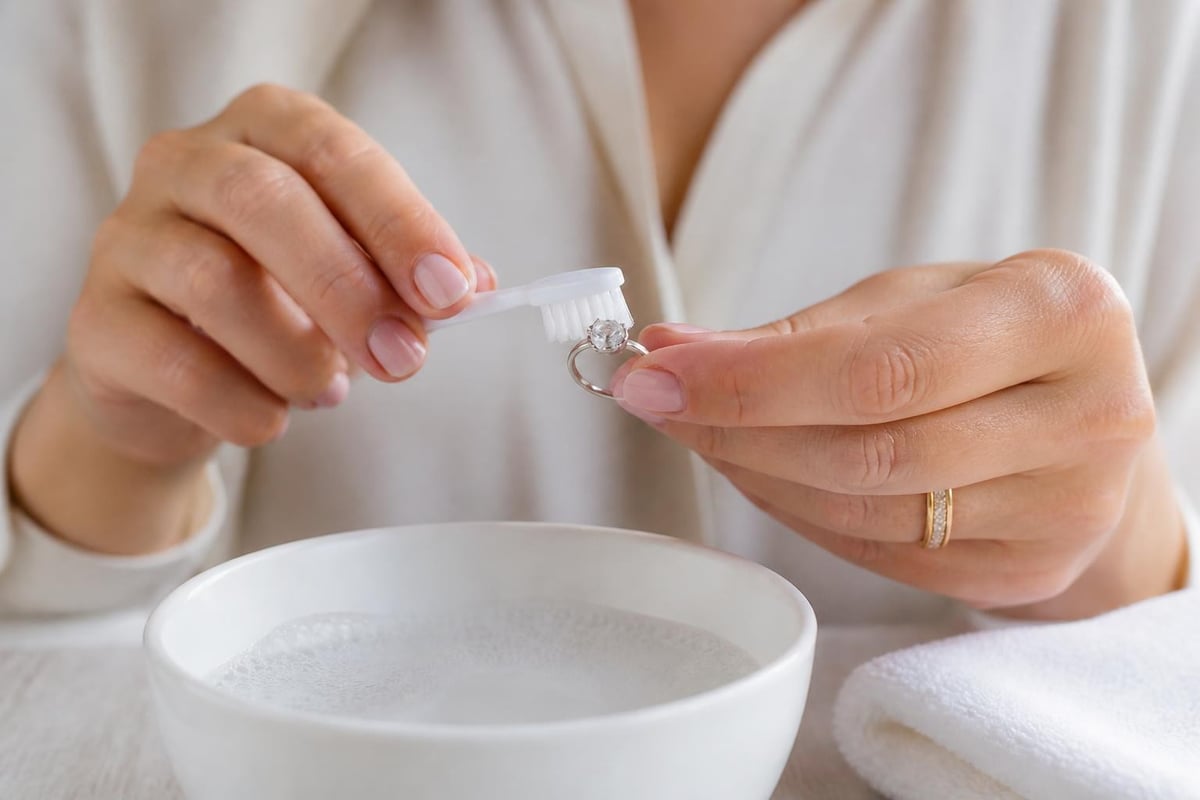
- Gentle cleaning at home using warm water and mild soap maintains daily sparkle
Ultrasonic cleaners effectively remove buildup from diamond ring diamonds but should be avoided for stones with significant inclusions that might extend to the surface. Professional jewelers possess the expertise to clean your piece safely while inspecting for potential issues.
Customization Options for Unique Diamond Ring Diamonds
Bespoke creation allows you to participate directly in designing a one-of-a-kind piece that perfectly captures your vision. This process begins with selecting your ideal diamond ring diamond before collaborating with master jewelers on setting design.
Working with specialists in ultra fine jewelry collections ensures access to exceptional stones and expert craftsmanship. The customization journey typically follows these phases:
- Initial consultation to discuss aesthetic preferences, budget parameters, and timeline expectations
- Diamond selection from curated inventory or sourcing specific characteristics
- Design development through sketches, CAD renderings, and wax models
- Production by skilled artisans using traditional and contemporary techniques
- Final inspection and adjustments to achieve perfection
Custom creation demands additional time compared to ready-made selections but delivers incomparable satisfaction. Your diamond ring diamond becomes truly unique, incorporating personal symbolism and exact specifications unavailable in standard inventory.
Shape Selection and Personal Style Expression
Beyond the classic round brilliant, diamond ring diamonds come in various shapes that express different aesthetic sensibilities. Each cut possesses distinct characteristics that appeal to particular tastes.
Round Brilliant: The standard-bearer for diamond cuts, maximizing light return through 58 precisely arranged facets. This shape dominates engagement ring selections due to unmatched brilliance and versatility across settings.
Princess Cut: A square or rectangular brilliant-cut that offers contemporary appeal with sharp corners and intense sparkle. This shape optimizes rough diamond yield, often providing better value than rounds of equivalent quality.
Oval: An elongated brilliant-cut that flatters fingers while offering excellent brilliance. The shape has surged in popularity recently, combining classic elegance with distinctive character.
Emerald Cut: A step-cut featuring long, linear facets that create a hall-of-mirrors effect. This sophisticated shape emphasizes clarity over brilliance and appeals to those appreciating understated elegance.
Fancy shapes often reveal color and clarity characteristics more readily than round brilliants. When selecting a diamond ring diamond in these cuts, consider upgrading clarity and color grades for optimal presentation.
Trends in Diamond Ring Diamond Preferences for 2026
Contemporary jewelry preferences reflect evolving aesthetic values and lifestyle considerations. Several trends dominate current diamond ring diamond selections.
Mixed metal designs combining white and yellow gold or platinum and rose gold create visual interest while offering versatility with existing jewelry wardrobes. East-west settings, where elongated diamonds sit horizontally rather than vertically, provide fresh perspectives on traditional cuts.
Colored diamonds have gained significant traction among collectors seeking distinctive pieces. Natural fancy colored diamond ring diamonds in pink, blue, and yellow command premium prices, while treated stones offer more accessible entry to this category.
Minimalist designs emphasizing clean lines and architectural elements appeal to modern sensibilities. These settings allow the diamond ring diamond to command attention without ornate embellishment competing for visual focus.
For those building comprehensive jewelry collections, coordination across multiple fine jewelry categories creates cohesive personal style. Diamond quality consistency throughout your collection ensures pieces complement rather than contrast with one another.
Technical Specifications Beyond the Four Cs
Sophisticated buyers examine additional technical factors that influence a diamond ring diamond's beauty and performance. These nuanced characteristics separate exceptional stones from merely good ones.
Fluorescence: Some diamonds emit visible light when exposed to ultraviolet radiation. Strong fluorescence can make near-colorless stones appear whiter in sunlight but may create a hazy appearance in rare cases. Faint to medium fluorescence typically has minimal impact on visual appearance.
Proportions and Symmetry: Beyond cut grade, specific measurements influence how light travels through a diamond ring diamond. Table percentage, crown angle, pavilion depth, and culet size all contribute to optical performance.
Polish Quality: The smoothness of a diamond's faceted surfaces affects light reflection. Excellent polish grades ensure maximum brilliance without surface irregularities interrupting light paths.
Advanced buyers request these specifications when evaluating diamond ring diamonds to identify stones with optimal characteristics within their quality grade. Two diamonds with identical Four Cs ratings may perform quite differently based on these technical details.
Making Your Final Diamond Ring Diamond Selection
Synthesizing all evaluation criteria into a confident purchase decision requires methodical comparison and trust in your knowledge. Begin by establishing non-negotiable priorities based on your values, budget, and intended use.
Create a shortlist of diamond ring diamonds meeting your essential criteria, then evaluate them under various lighting conditions. Natural daylight, fluorescent office lighting, and incandescent evening illumination all reveal different aspects of diamond character.
Request time to view your top candidates without pressure. Reputable jewelers encourage thorough evaluation and provide detailed information supporting informed decisions. Those seeking exceptional quality and personalized service can explore options by contacting specialized fine jewelry experts who understand the nuances of diamond selection.
Trust your emotional response alongside technical analysis. The right diamond ring diamond will resonate on both intellectual and intuitive levels, combining measurable quality with personal appeal.
Selecting a diamond ring diamond represents a journey requiring knowledge, patience, and appreciation for fine craftsmanship. Understanding quality factors, certification standards, and personal priorities enables you to make informed decisions that deliver lasting satisfaction. Whether seeking a timeless solitaire or custom creation, La Maison Val D'or offers curated collections of exceptional diamonds and expert guidance throughout your selection process, ensuring your acquisition reflects both superior quality and personal significance.