The world of ultra-fine jewelry holds few secrets more captivating than burma spinel, a gemstone that has enchanted royalty and collectors for centuries. This extraordinary mineral, sourced from the legendary mines of Myanmar, represents the pinnacle of natural beauty and rarity in colored gemstones. For discerning collectors seeking exceptional quality, burma spinel offers an unmatched combination of brilliance, durability, and historical significance that rivals even the most celebrated precious stones.
The Historical Prestige of Burma Spinel
Burma spinel carries a fascinating legacy that intertwines with the history of crown jewels and royal treasuries worldwide. For centuries, the finest red specimens were mistaken for rubies, earning their place in the most significant collections without anyone questioning their true identity. The famous "Black Prince's Ruby" in the British Crown Jewels stands as the most renowned example of this historical confusion, revealing itself as a magnificent spinel upon closer examination.
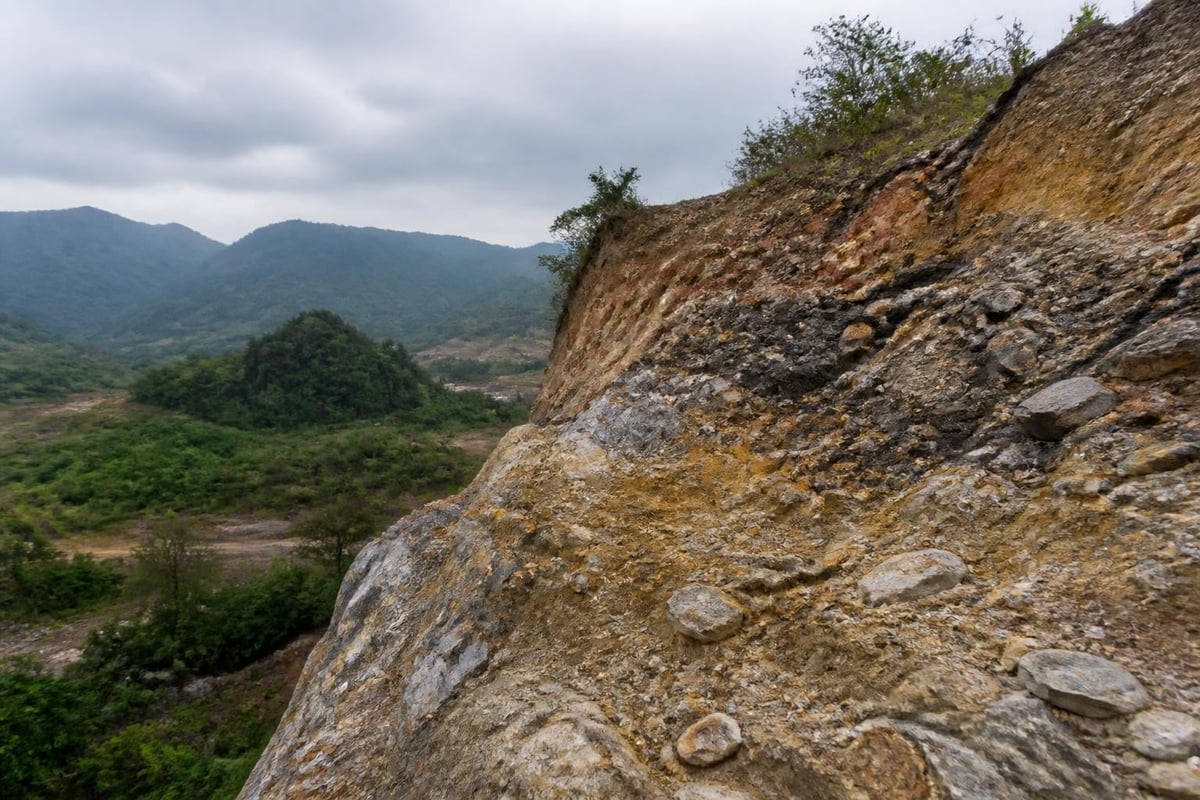
The Mogok Stone Tract in Myanmar has produced the world's most exceptional specimens for over a millennium. This geological region delivers gemstones with a clarity and color saturation that remains unmatched by deposits in other countries. The geographical uniqueness of these mines creates specific mineral compositions that result in the vivid chromium-rich colors collectors prize above all others.
Why Origin Matters in Spinel Valuation
Geographic origin plays a crucial role in determining both the market value and the aesthetic qualities of spinel gemstones. Burmese specimens command premium prices for several compelling reasons:
- Superior color saturation achieved through optimal chromium content
- Exceptional transparency with minimal inclusions or internal flaws
- Natural formation without heat treatment or enhancement
- Historical provenance connecting to centuries of gemstone tradition
- Limited availability as primary deposits become increasingly rare
The distinction between Burmese and other sources becomes immediately apparent when comparing stones side by side. While spinels from Tanzania, Vietnam, and Afghanistan offer their own merits, the vivid intensity and brilliance of burma spinel remains unparalleled in the marketplace.
Color Range and Quality Assessment
The Spectrum of Burmese Spinel
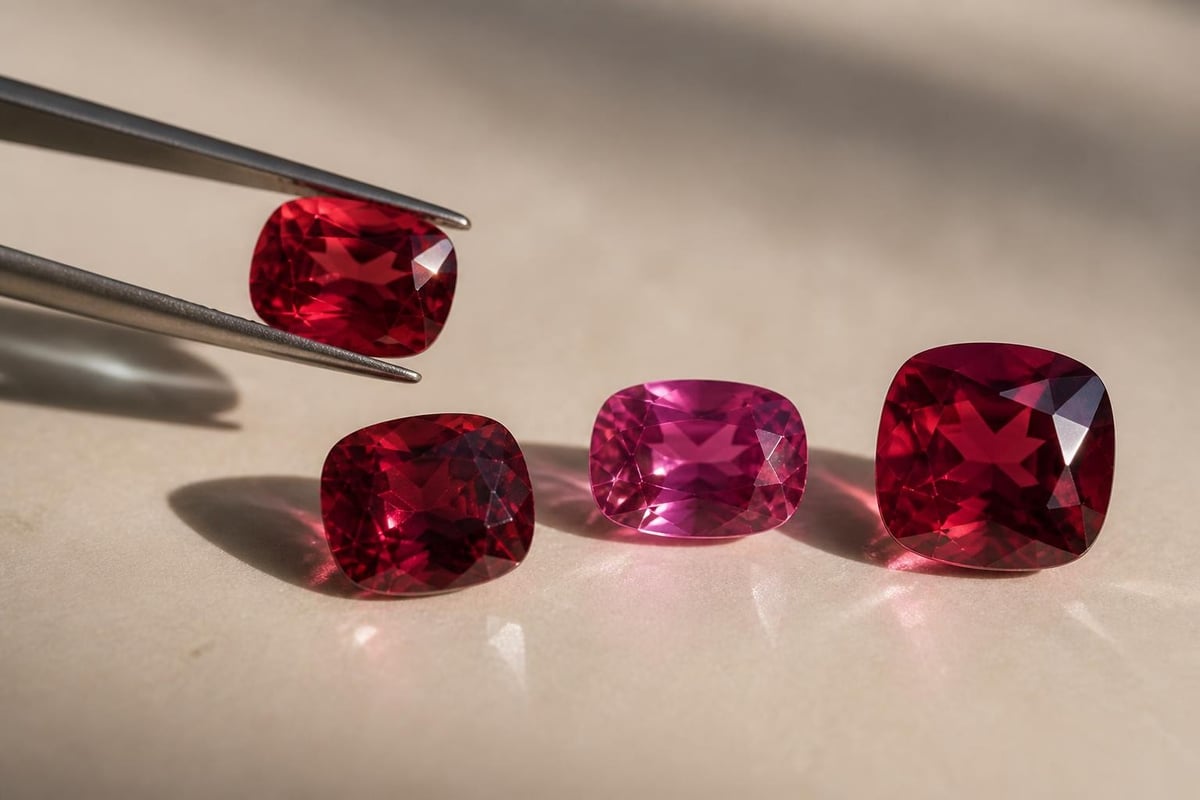
The color palette available in burma spinel extends far beyond the classic red hues that defined its historical confusion with ruby. Contemporary collectors appreciate the full spectrum of possibilities, each color category offering distinct aesthetic appeal and investment potential.
| Color Category | Characteristics | Market Position |
|---|---|---|
| Pure Red | Deep chromium saturation, ruby-like intensity | Highest value, most sought-after |
| Pink to Rose | Delicate to vibrant pink tones, excellent clarity | Strong collector demand |
| Orange-Pink | Vivid sunset hues, unique color combination | Rising popularity, premium pricing |
| Lavender | Soft purple tones, romantic appeal | Niche market, growing interest |
| Blue | Rare cobalt-influenced specimens | Extremely limited availability |
The most prized red burma spinel exhibits what gemologists describe as "hot" color-a vivid, pure red with exceptional brilliance that appears to glow from within. These stones achieve their coloration through chromium, the same element responsible for ruby's red hue, yet spinel displays this color with its own distinctive character and optical properties.
Evaluating Quality Factors
Professional assessment of burma spinel requires attention to multiple criteria beyond color alone. The four primary quality determinants interact to establish a stone's overall desirability and market value.
Color intensity stands as the paramount consideration. The most valuable specimens demonstrate strong saturation without appearing overly dark or brownish. A pure, vivid hue commands significantly higher prices than stones with secondary color modifiers or weak saturation levels.
Clarity characteristics separate exceptional examples from merely good ones. While most burma spinel exhibits excellent transparency naturally, collectors seek stones with minimal visible inclusions under 10x magnification. The naturally untreated state of Burmese material means that clarity must be inherent rather than enhanced through treatment.
Cut quality maximizes the inherent brilliance that makes spinel such a captivating gemstone. Master cutters orient the crystal structure to optimize light return while preserving maximum carat weight from rough material. Traditional cuts like cushion and oval remain popular, though modern precision cutting has introduced brilliant rounds and emerald cuts that showcase spinel's high refractive index.
Carat weight influences value exponentially as size increases. Stones exceeding five carats become exponentially rarer and more valuable, particularly when maintaining strong color and excellent clarity. Rare specimens over five carats with premium color saturation represent significant investment opportunities for serious collectors.
The Investment Perspective
Market Dynamics and Value Appreciation
The burma spinel market has experienced remarkable growth over the past two decades as collectors and investors recognize the gemstone's intrinsic qualities and increasing scarcity. Several factors contribute to the strengthening position of Burmese spinel in the colored gemstone marketplace.
Mining restrictions and political considerations in Myanmar have limited the supply of new material entering the market. This scarcity effect has been particularly pronounced for larger, high-quality stones that historically appeared with greater frequency. Contemporary dealers report increasing difficulty sourcing premium specimens, driving prices upward across all size categories.
The gemstone's complete lack of treatment requirements enhances its appeal among collectors who prioritize natural beauty. Unlike rubies and sapphires, which routinely undergo heat treatment to improve color and clarity, burma spinel reaches the market in its natural state. This authenticity carries particular weight in an era where consumers increasingly value transparency and ethical sourcing in luxury goods.
Comparative Value Analysis
Understanding burma spinel's market position requires context within the broader colored gemstone landscape. Price comparisons reveal interesting relationships with other precious stones.
| Gemstone | Price Per Carat (Premium Quality) | Treatment Status | Durability (Mohs) |
|---|---|---|---|
| Burma Ruby | $15,000 - $50,000+ | Often heated | 9.0 |
| Burma Spinel | $3,000 - $15,000+ | Naturally untreated | 8.0 |
| Pink Sapphire | $2,000 - $10,000 | Usually heated | 9.0 |
| Padparadscha | $5,000 - $20,000+ | Often heated | 9.0 |
These figures demonstrate that burma spinel offers exceptional value relative to its visual impact and rarity. A fine red spinel can rival ruby's appearance while representing a fraction of the cost, making it an intelligent choice for collectors who prioritize aesthetics and natural beauty over name recognition alone.
Distinguishing Authentic Burma Spinel
Verification and Certification
The importance of proper gemological documentation cannot be overstated when acquiring burma spinel for fine jewelry applications. Reputable certification provides assurance regarding both the stone's identity and its geographic origin, protecting collectors from misrepresentation and supporting informed purchasing decisions.
Leading gemological laboratories employ sophisticated testing methodologies to confirm origin. Microscopic examination reveals characteristic inclusion patterns unique to Burmese deposits. Spectroscopic analysis identifies the specific trace element signatures that distinguish Myanmar material from other sources. Advanced techniques including LA-ICP-MS provide chemical fingerprints that definitively establish provenance.
Certificates from respected institutions should accompany any significant burma spinel acquisition. Documentation serves multiple purposes beyond initial authentication, establishing provenance for insurance purposes and supporting resale value in future transactions.
Physical and Optical Properties
Recognizing authentic spinel requires familiarity with its distinctive characteristics. The gemstone's cubic crystal system produces octahedral crystal faces in rough form, a diagnostic feature that distinguishes it from the hexagonal structure of corundum minerals like ruby and sapphire.
Hardness level of 8.0 on the Mohs scale provides excellent durability for daily wear in fine jewelry applications. This resilience exceeds that of emerald, tanzanite, and other popular colored stones, though it falls slightly below the extreme hardness of ruby and sapphire at 9.0.
Refractive index measurements between 1.712 and 1.717 create the brilliant sparkle that makes well-cut spinel so visually appealing. Single refraction means that spinel displays consistent color from all viewing angles, unlike the pleochroism seen in many other gemstones.
Specific gravity around 3.60 gives burma spinel a satisfying heft in the hand, heavier than quartz but lighter than corundum. This density assists gemologists in preliminary identification and helps explain the substantial presence these stones command when set in jewelry.
Setting and Jewelry Design Considerations
Optimal Presentation Techniques
Creating exceptional jewelry with burma spinel requires thoughtful design that complements the gemstone's inherent qualities. The stone's brilliance and color saturation shine in settings that maximize light transmission while providing secure protection for long-term wear.
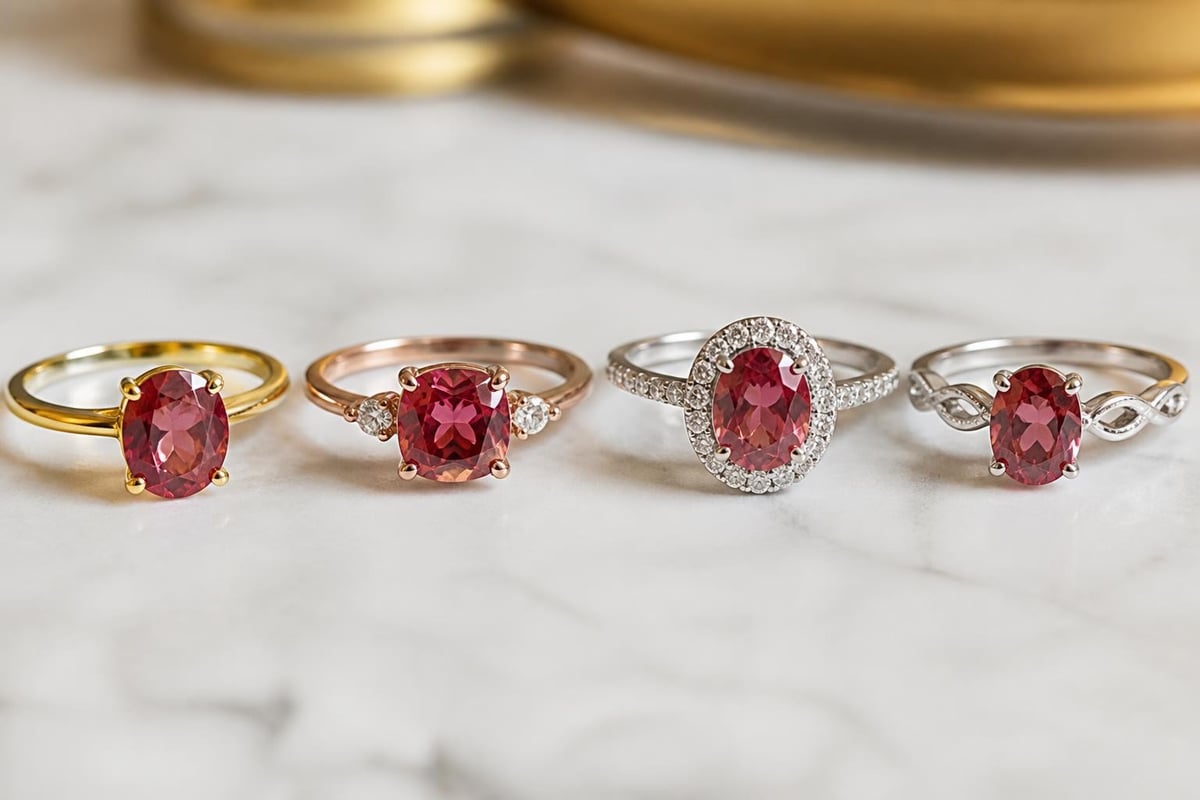
White metal settings in platinum or 18-karat white gold enhance the pure color expression of red and pink specimens. These neutral backings prevent color contamination while their reflective surfaces amplify the stone's natural brilliance. Yellow gold creates warmth with pink and lavender stones, while rose gold provides contemporary sophistication for a range of color tones.
Halo designs surround the central burma spinel with diamonds or complementary colored gemstones, creating additional visual impact while protecting the main stone's edges. Three-stone compositions pair spinel with diamonds or matching smaller spinels, allowing the center stone to command attention within a balanced composition.
Style Applications
The versatility of burma spinel extends across jewelry categories, from statement pieces to subtle everyday elegance. Matched pairs serve beautifully in earring applications, where the gemstone's brilliance catches light with movement. Pendant designs showcase larger specimens in settings that allow appreciation from multiple angles.
Ring mountings must balance aesthetics with practical considerations for stones that will experience regular wear. Bezel settings offer maximum protection while delivering clean, modern lines. Prong settings maximize light exposure but require careful execution to prevent damage to the stone's facet junctions.
Bracelet and necklace applications benefit from graduated sizes or alternating patterns that create rhythm and visual interest. Tennis bracelet formats showcase burma spinel melee in continuous brilliance, while station necklaces space individual stones along delicate chains for understated elegance.
Care and Maintenance Requirements
Preserving Long-Term Beauty
Proper care ensures that burma spinel maintains its exceptional appearance across generations of wear. The gemstone's inherent durability simplifies maintenance compared to more delicate colored stones, yet certain practices optimize longevity and brilliance.
Regular cleaning with warm water and mild soap removes accumulated oils and residue that can diminish sparkle. Soft brushes access intricate setting details without scratching metal or stone surfaces. Ultrasonic cleaners prove safe for spinel unless the stone contains significant inclusions or fractures, though manual cleaning remains the gentler option for irreplaceable pieces.
Professional inspection annually identifies potential issues before they escalate into serious problems. Jewelers examine prong integrity, check for loose stones, and assess general condition as part of comprehensive maintenance. This preventive approach protects both the burma spinel and the investment it represents.
Storage and Handling Protocols
Separate storage prevents harder gemstones like diamond and sapphire from abrading spinel surfaces during contact. Individual pouches or compartmentalized jewelry boxes maintain organization while protecting each piece from mechanical damage.
Avoiding exposure to harsh chemicals preserves both the gemstone and its mounting. Household cleaners, chlorine, and strong acids can damage metal settings or accumulate on stone surfaces, diminishing optical performance. Removing jewelry before swimming, cleaning, or applying beauty products becomes routine practice for discerning collectors.
Temperature extremes and sudden thermal shock pose minimal risk to burma spinel's stable crystal structure, yet prudent collectors avoid unnecessary exposure. The gemstone's excellent durability means that reasonable precautions suffice to maintain condition indefinitely.
Market Outlook and Collecting Strategy
Future Trends and Considerations
The trajectory for burma spinel suggests continued appreciation as awareness grows and supply constraints tighten. Several converging factors support optimistic projections for collectors entering or expanding their holdings in this category.
Supply limitations from Myanmar's primary deposits show no signs of reversing. Political instability and mining challenges restrict production even as global demand increases. This fundamental imbalance between supply and demand creates upward pressure on pricing across all quality levels.
Consumer education has demystified the historical confusion between spinel and ruby, allowing the gemstone to establish its own identity and value proposition. Collectors now actively seek spinel for its unique qualities rather than viewing it as a ruby substitute, fundamentally changing market dynamics.
Design innovation in contemporary jewelry has embraced burma spinel as a featured gemstone rather than a supporting player. Leading designers incorporate exceptional specimens into signature pieces, raising the stone's profile among fashion-forward consumers and serious collectors alike.
Building a Meaningful Collection
Strategic acquisition requires patience and selective standards. The temptation to compromise on quality diminishes long-term satisfaction and investment performance. Prioritizing exceptional color, superior clarity, and documented Burmese origin creates a collection that appreciates both aesthetically and financially.
Diversifying across color ranges provides exposure to different market segments while creating visual variety. A collection might include classic red specimens alongside rare blue or vivid pink stones, each representing the finest examples available within their respective categories.
Establishing relationships with reputable dealers and auction houses ensures access to premium material as it becomes available. The finest burma spinel rarely appears in general retail environments, instead moving through specialized channels serving knowledgeable collectors. Cultivating these connections positions serious buyers to acquire exceptional stones before they reach broader markets.
Burma spinel represents the convergence of natural beauty, historical significance, and investment potential in the world of ultra-fine gemstones. Understanding quality factors, proper authentication, and care requirements empowers collectors to make informed decisions that deliver lasting satisfaction. Whether you seek a statement piece or wish to build a curated collection, La Maison Val D'or offers expertise in sourcing exceptional burma spinel and creating custom designs that showcase these remarkable gemstones with the elegance and craftsmanship they deserve.