
Acquiring loose gems represents one of the most sophisticated and rewarding experiences in fine jewelry collecting. Unlike pre-set pieces, these unmounted gemstones offer unparalleled flexibility for customization, investment potential, and the opportunity to appreciate nature's artistry in its purest form. Whether you are a seasoned collector, jewelry designer, or someone seeking to create a bespoke piece, understanding the nuances of loose gems becomes essential for making informed decisions that balance beauty, quality, and value.
Understanding the Appeal of Loose Gems
The market for loose gems has experienced remarkable growth in 2026, driven by discerning collectors who appreciate the transparency and creative freedom these stones provide. When you purchase unmounted gemstones, you gain complete control over the design process, from selecting the perfect setting to choosing complementary stones for your vision.
Loose gems offer distinct advantages over pre-set jewelry:
- Complete transparency in stone quality assessment
- Opportunity to examine gemstones from all angles
- Flexibility to create truly custom designs
- Better value proposition through direct stone selection
- Investment potential with properly certified specimens
The ability to scrutinize a gemstone before it becomes part of a finished piece allows buyers to make educated decisions based on objective criteria. According to comprehensive gemstone research, understanding geological formation and inherent characteristics significantly impacts purchasing choices.
Investment Value and Market Dynamics
Purchasing loose gems as investments requires strategic thinking beyond aesthetic appreciation. The gemstone market in 2026 demonstrates strong performance for rare, high-quality specimens with proper documentation. Certification from recognized laboratories provides essential verification of authenticity and quality characteristics.
Natural gemstones with exceptional color, clarity, and provenance continue to appreciate steadily, making them attractive alternative investments. La Maison Val D'or's curated collection of loose precious stones showcases specimens selected specifically for their investment-grade qualities alongside their visual appeal.
Essential Criteria for Evaluating Loose Gems
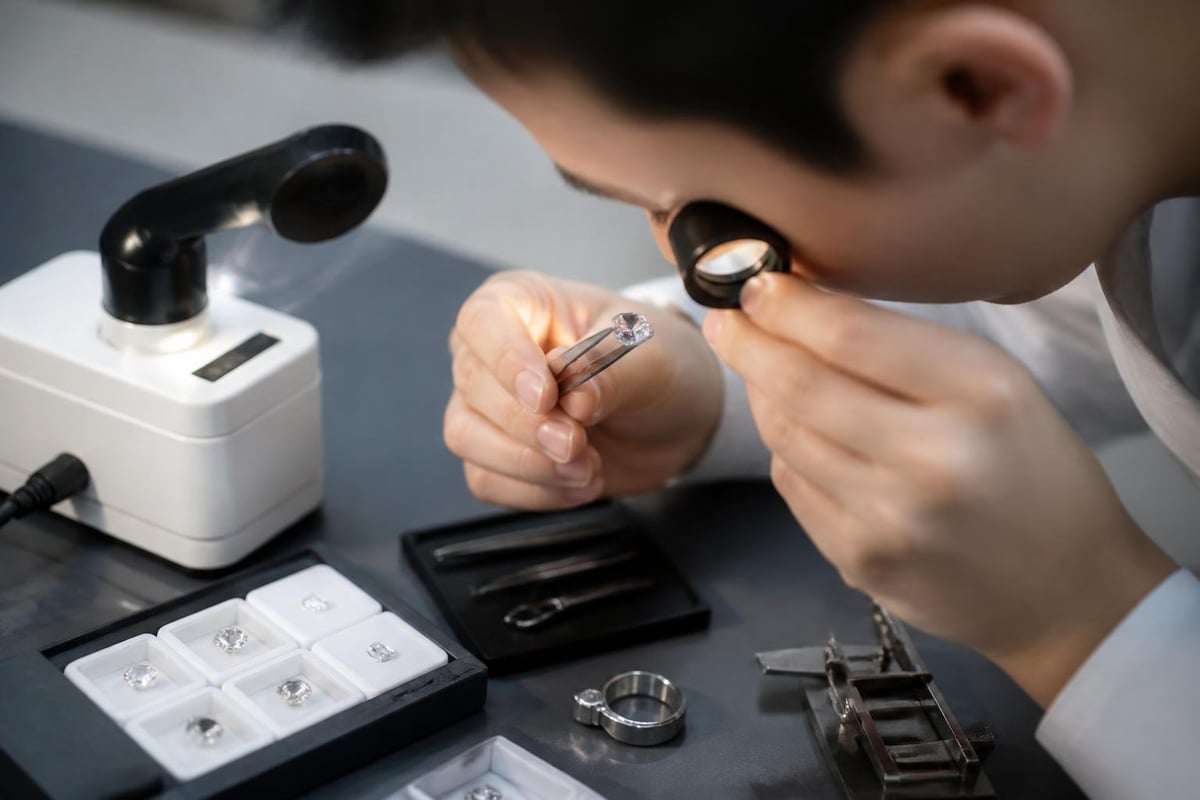
Proper evaluation of loose gems demands systematic assessment using established gemological standards. The traditional four C's-cut, color, clarity, and carat weight-form the foundation, but additional factors influence overall quality and value significantly.
Cut Quality and Proportions
Cut represents perhaps the most critical factor affecting a gemstone's beauty and light performance. A properly cut stone maximizes brilliance, fire, and scintillation, while poor proportions diminish even the finest rough material.
| Cut Grade | Light Return | Visual Impact | Value Multiplier |
|---|---|---|---|
| Excellent | 95-100% | Maximum brilliance | 1.5-2.0x |
| Very Good | 85-94% | Strong performance | 1.2-1.5x |
| Good | 75-84% | Acceptable beauty | 1.0-1.2x |
| Fair | 60-74% | Noticeable deficits | 0.7-1.0x |
Professional gem cutters balance weight retention against optical performance when fashioning loose gems. The angles, symmetry, and polish quality all contribute to the finished stone's appearance and marketability.
Color Assessment Standards
Color evaluation varies significantly across different gemstone species. For diamonds, the absence of color commands premium pricing, while colored stones are judged on hue, tone, and saturation intensity. When examining loose gems for color, consider these elements under proper lighting conditions that simulate daylight.
Key color evaluation factors:
- Primary hue and any secondary color modifiers
- Tone ranging from very light to very dark
- Saturation describing color intensity and purity
- Color distribution and zoning within the stone
- Stability under various lighting conditions
The most valuable colored gemstones exhibit vivid, pure hues without muddiness or excessive darkness. Subtle variations in shade can dramatically affect pricing, particularly in rubies, sapphires, and emeralds.
Clarity Characteristics and Inclusions
Every natural gemstone contains unique internal features that serve as fingerprints of authenticity. Understanding inclusion types helps distinguish natural stones from synthetics while assessing how these characteristics affect beauty and durability.
Type I gemstones (like aquamarine) typically form with few inclusions, making eye-clean specimens the standard expectation. Type II stones (sapphires, rubies) commonly contain some visible inclusions, while Type III gemstones (emeralds) almost always display included characteristics.
Expert gemologists examine loose gems using 10x magnification to plot inclusion positions and determine clarity grades. However, the most important consideration remains whether inclusions are visible to the unaided eye and if they compromise structural integrity. The Dictionary of Gems and Gemology provides comprehensive terminology for describing these features accurately.
Sourcing and Certification Considerations
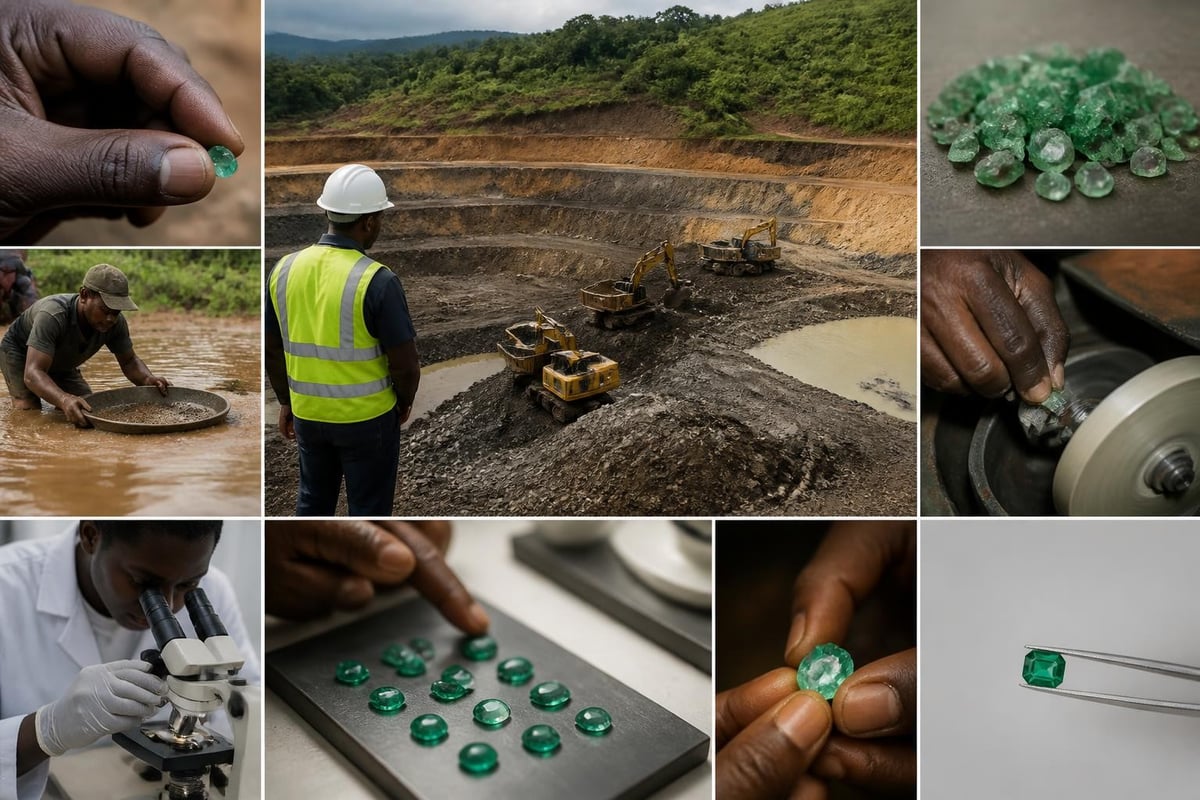
Acquiring high-quality loose gems requires working with reputable dealers who provide proper documentation and stand behind their merchandise. The certification landscape has evolved significantly, with several internationally recognized laboratories offering detailed grading reports.
Recognized Certification Laboratories
Professional gemological laboratories employ standardized testing procedures and grading methodologies to evaluate loose gems objectively. Reports from these institutions provide buyers with confidence and establish baseline values for insurance and resale purposes.
The most respected certification sources include:
- Gemological Institute of America (GIA)
- American Gemological Laboratories (AGL)
- Swiss Gemmological Institute (SSEF)
- Gübelin Gem Lab
According to expert guidance on loose gemstone certification, verification of laboratory reports through official databases prevents fraud and ensures authenticity. Always confirm that certificate numbers match the specific stone you are purchasing.
Understanding Treatment Disclosures
Many loose gems undergo enhancement processes to improve their appearance or durability. Full disclosure of any treatments becomes mandatory for ethical transactions, as these processes significantly impact value.
Common gemstone treatments include:
- Heat treatment to improve color and clarity
- Fracture filling to reduce visible inclusions
- Diffusion processes to enhance color
- Coating applications for temporary improvements
- Irradiation to create or intensify colors
Untreated natural gemstones command substantial premiums over enhanced specimens, particularly for high-quality rubies, sapphires, and emeralds. Certification reports should explicitly state treatment status, allowing buyers to make informed decisions based on complete information.
Assembled and Synthetic Alternatives
The gemstone market includes various alternatives to natural mined stones that serve different purposes and price points. Understanding these distinctions prevents confusion and ensures you acquire exactly what you intend.
Assembled gems combine multiple materials to create composite stones like doublets or triplets. These constructions typically feature a thin layer of genuine gemstone bonded to less expensive backing materials, making them unsuitable for serious collecting but acceptable for fashion jewelry applications.
Laboratory-grown gemstones possess identical chemical, physical, and optical properties to their natural counterparts but form in controlled environments over weeks rather than millennia. While these synthetic stones offer affordability and ethical appeal, they lack the rarity and investment potential of natural loose gems.
Creating Custom Jewelry with Loose Gems
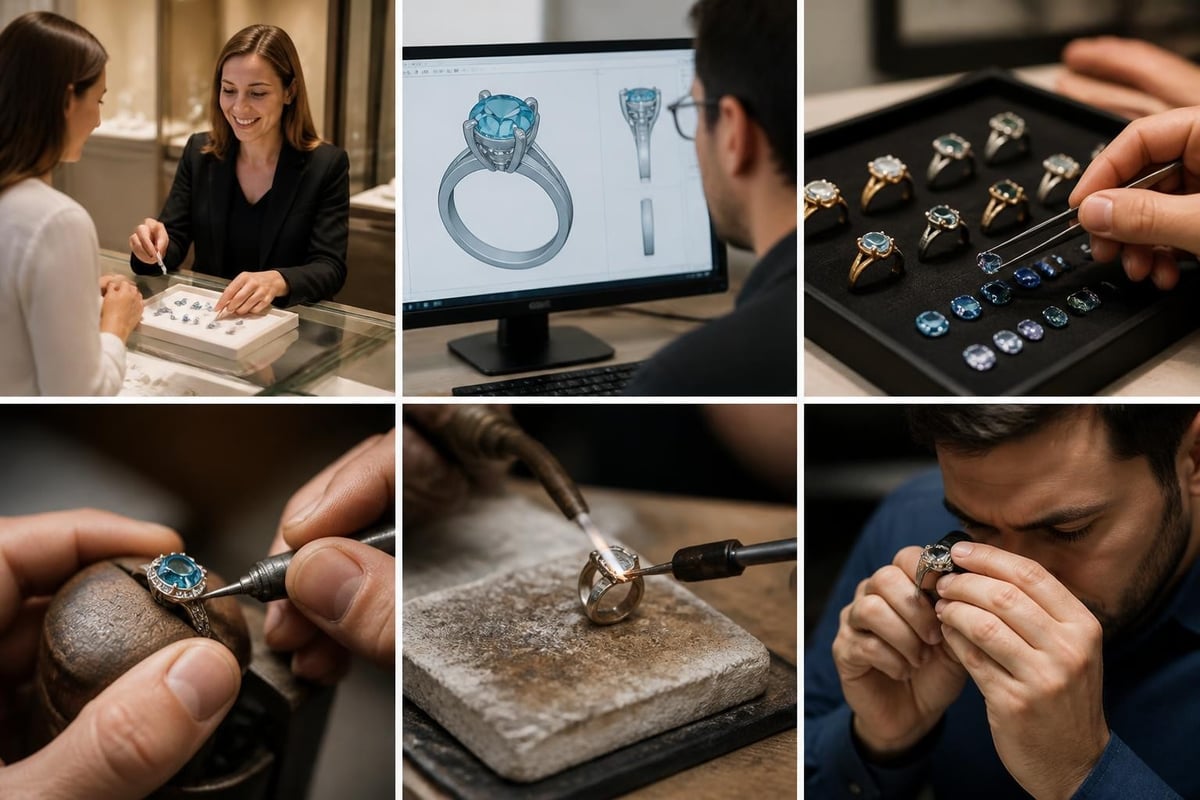
The ultimate advantage of purchasing unmounted gemstones lies in the creative freedom they provide for bespoke jewelry design. Working with skilled artisans transforms your selected stones into heirloom-quality pieces that reflect personal style and significance.
Design Process and Setting Selection
Collaborating with experienced jewelers ensures that your loose gems receive settings that enhance their beauty while providing secure protection. The design consultation should address intended use, metal preferences, and complementary accent stones.
Popular setting styles for loose gems include:
- Prong settings that maximize light exposure
- Bezel settings offering maximum protection
- Pavé designs incorporating smaller accent stones
- Halo arrangements that enhance perceived size
- Three-stone configurations for symbolic meaning
La Maison Val D'or's expertise in fine jewelry craftsmanship ensures that each stone receives a setting worthy of its quality. From engagement rings to statement necklaces, the possibilities for customization remain virtually limitless.
Matching Multiple Stones
Creating matched sets of loose gems for earrings, bracelets, or multi-stone designs requires exceptional expertise. Gemstones must complement each other in color, clarity, and cut proportions to achieve visual harmony.
| Matching Factor | Tolerance Level | Visual Impact |
|---|---|---|
| Color | Within 1 grade | Critical for pairs |
| Clarity | Within 2 grades | Moderate importance |
| Cut proportions | Within 5% | Affects symmetry |
| Carat weight | Within 10% | Size consistency |
Professional gem dealers maintain inventories of matched pairs and suites specifically for clients creating custom jewelry. The premium for perfectly matched loose gems reflects the additional effort required to assemble these collections.
Care and Preservation of Loose Gems
Proper storage and handling protect your loose gems from damage while maintaining their brilliance and value. Unlike mounted stones with protective settings, unmounted specimens require extra attention to prevent scratches, chips, and contamination.
Storage Best Practices
Each gemstone should reside in individual compartments or wrapping to prevent contact with other stones. The Mohs hardness scale determines scratch resistance, with harder materials capable of damaging softer specimens during contact.
Essential storage guidelines:
- Wrap each stone individually in soft, lint-free cloth
- Store in temperature-stable environments
- Avoid exposure to household chemicals and cosmetics
- Keep certification documents with corresponding stones
- Maintain climate control to prevent thermal shock
Diamond storage requires particular attention since these extremely hard stones easily scratch other gemstones and even other diamonds. Separate compartments lined with soft material provide ideal protection.
Cleaning and Maintenance
Regular cleaning maintains the beauty of loose gems while allowing inspection for any changes or damage. Most gemstones tolerate gentle cleaning with mild soap and lukewarm water, though specific varieties require special care.
Ultrasonic and steam cleaning suit many gemstone types but can damage others with inclusions or treatments. Emeralds, opals, pearls, and fracture-filled stones require manual cleaning only. When uncertain about appropriate cleaning methods, consult professional jewelers who understand the specific requirements of your loose gems.
Periodic professional examination identifies any developing issues before they become serious. Gemologists can recheck weights, dimensions, and characteristics to ensure your stones remain in documented condition for insurance and eventual sale purposes.
Market Trends and Purchasing Strategies
The loose gems market in 2026 reflects evolving consumer preferences, environmental concerns, and technological advances in gemstone identification. Understanding current trends helps buyers make strategic acquisitions that align with both personal preferences and market dynamics.
Emerging Color Preferences
While traditional favorites like sapphires, rubies, and emeralds maintain strong demand, collectors increasingly seek unusual colors and lesser-known species. Padparadscha sapphires, Paraíba tourmalines, and fine spinels command growing premiums as awareness expands beyond the "big three" colored stones.
Fancy color diamonds continue appreciating rapidly, with pink, blue, and green specimens reaching record prices at auction. These rare loose gems represent significant investment opportunities for buyers with appropriate budgets and expertise.
Ethical and Sustainable Sourcing
Modern consumers increasingly prioritize ethical considerations when purchasing loose gems. Transparency regarding mining conditions, environmental impact, and community benefit influences buying decisions significantly.
Responsible sourcing indicators include:
- Mine-to-market documentation
- Fair trade certification programs
- Artisanal mining support initiatives
- Recycled gemstone options
- Laboratory-grown alternatives for specific applications
Reputable dealers like La Maison Val D'or emphasize transparent sourcing and provide detailed provenance information for their loose gems collections. This commitment to ethical practices aligns with contemporary values while ensuring quality and authenticity.
Technology Integration
Advanced imaging technology, blockchain verification, and digital marketplaces transform how collectors research and acquire loose gems. High-resolution photography, video documentation, and detailed grading reports available online enable informed decisions without physical inspection.
However, examining significant gemstones in person before purchase remains advisable when possible. The subtle nuances of color, brilliance, and overall appearance often escape even excellent photography. Building relationships with trusted dealers who understand your preferences ensures access to suitable stones as they become available.
Building a Gemstone Collection
Developing a meaningful collection of loose gems requires strategic planning, continuous education, and patience to acquire exceptional specimens. Successful collectors balance aesthetic appreciation with investment considerations while focusing on areas that genuinely fascinate them.
Developing Expertise and Focus
Attempting to collect everything dilutes both knowledge and financial resources. Focusing on specific gemstone species, geographic origins, or particular colors allows deeper understanding and recognition of exceptional opportunities.
Study authoritative references like Gems: Their Sources, Descriptions and Identification to build foundational knowledge. Attend gem shows, visit museums with notable collections, and join collector organizations to learn from experienced enthusiasts.
Documentation and Inventory Management
Maintaining detailed records for each stone in your collection preserves provenance and facilitates insurance coverage. Documentation should include:
- Purchase date, source, and price paid
- Certification reports and laboratory numbers
- Detailed photographs from multiple angles
- Precise measurements and weight
- Treatment disclosure statements
- Storage location and handling history
Digital inventory systems with cloud backup ensure this critical information remains accessible and secure. As collections grow, organized documentation becomes increasingly valuable for management and eventual disposition planning.
Market Timing and Acquisition Strategies
Strategic buying during market corrections or through estate sales often yields exceptional values on high-quality loose gems. Establishing relationships with dealers ensures notification when suitable stones become available, sometimes before public offering.
Budget allocation should balance acquiring fewer exceptional pieces against larger numbers of moderate specimens. Museum-quality gemstones appreciate more consistently than average material, making quality-over-quantity a sound long-term strategy.
Professional Consultation and Custom Design Services
Working with experienced professionals ensures optimal outcomes when purchasing loose gems and creating custom jewelry. The expertise required to properly evaluate gemstones, design appropriate settings, and execute flawless fabrication demands years of training and practical experience.
Reputable jewelers provide transparent pricing, detailed contracts, and realistic timelines for custom projects. They should welcome questions, offer multiple design options, and involve clients throughout the creative process. The best practitioners view custom work as collaborative partnerships rather than simple transactions.
Quality assurance includes examination of finished pieces before delivery, verification that specifications match agreements, and comprehensive warranties covering craftsmanship. Establishing these expectations upfront prevents misunderstandings and ensures satisfaction with completed projects.
Selecting and acquiring loose gems represents a journey combining education, appreciation, and strategic decision-making. Whether building an investment portfolio, creating custom jewelry, or simply appreciating nature's artistry, proper knowledge and reputable sources prove essential for success. La Maison Val D'or offers expertise, transparency, and exceptional specimens to guide your gemstone journey, ensuring each acquisition meets the highest standards of quality and authenticity.