
The intersection of horological craftsmanship and modern gemological innovation has created an entirely new category of luxury: the lab grown diamond watch. As consumers increasingly seek sustainable alternatives without compromising on quality, these timepieces represent a transformative shift in how we approach fine jewelry and watchmaking. Combining the brilliance of laboratory-created diamonds with precision engineering, these watches offer discerning collectors an ethical choice that maintains the visual splendor and structural integrity traditionally associated with mined diamond timepieces.
Understanding Lab Grown Diamond Technology in Watchmaking
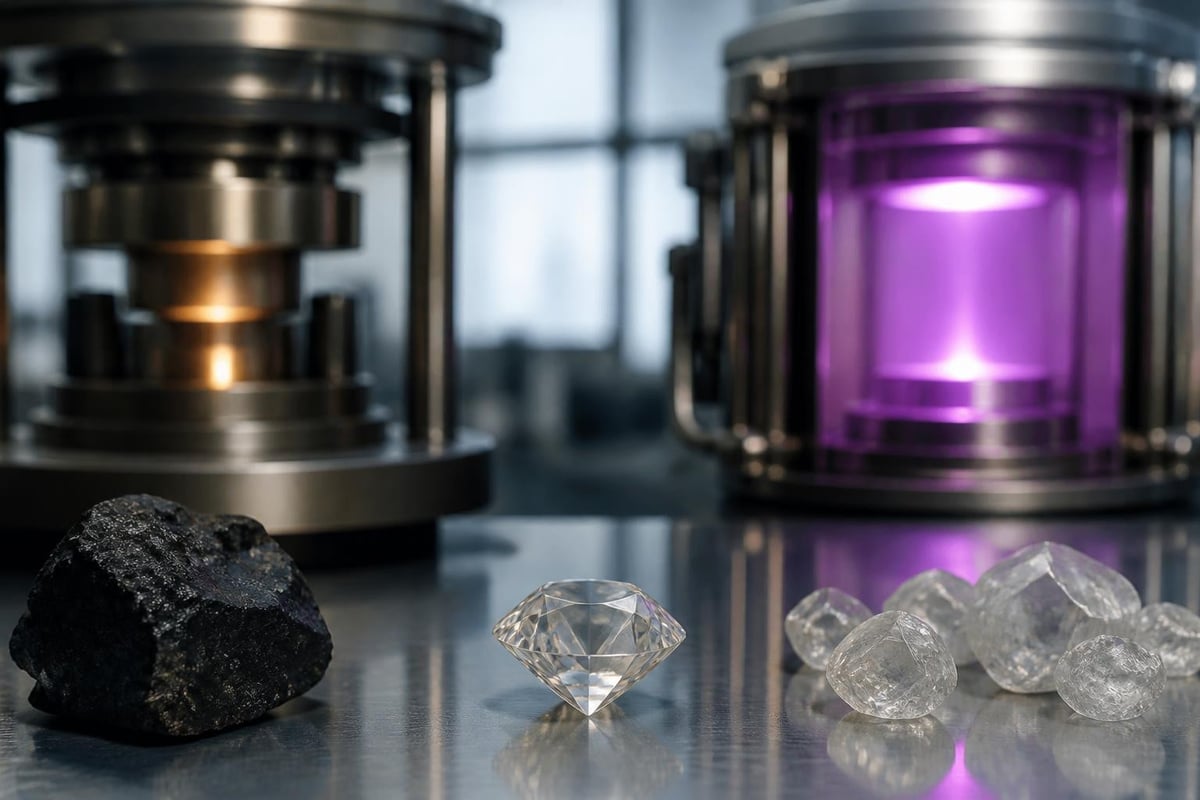
The foundation of any exceptional lab grown diamond watch begins with the diamonds themselves. These gems are created using advanced technological processes that replicate the natural conditions under which diamonds form beneath the Earth's surface. The two primary methods are High Pressure High Temperature (HPHT) and Chemical Vapor Deposition (CVD).
The Science Behind Laboratory Diamonds
HPHT technology recreates the extreme pressure and heat found deep within the Earth's mantle. This process compresses carbon atoms into crystalline structures identical to natural diamonds. Meanwhile, microwave plasma-assisted chemical vapor deposition technology has revolutionized scalable production, making larger, higher-quality diamonds more accessible for luxury applications.
Key advantages of these methods include:
- Precise control over color, clarity, and carat weight
- Consistent quality standards across production batches
- Minimal environmental impact compared to traditional mining
- Traceability throughout the entire creation process
The optical properties of lab-grown diamond substrates demonstrate their suitability for high-precision applications. These characteristics make them ideal for watch bezels, dial markers, and case embellishments where clarity and brilliance are paramount.
Quality Standards and Certification
When evaluating a lab grown diamond watch, understanding certification becomes essential. Laboratory diamonds undergo the same rigorous grading process as mined diamonds, assessed by internationally recognized gemological institutes.
Grading Criteria for Watch Diamonds
| Criterion | Description | Impact on Value |
|---|---|---|
| Cut | Precision of faceting and proportions | Determines brilliance and fire |
| Color | Absence of color (D-Z scale) | Higher grades command premium prices |
| Clarity | Internal and external characteristics | Affects light performance |
| Carat | Weight measurement | Larger stones increase value exponentially |
The grading process for lab grown diamonds is identical to that of mined stones. Certificates from GIA, IGI, or AGS provide verification of quality and authenticity. For watch applications, diamonds typically range from VS1 to VVS1 clarity grades, ensuring exceptional visual purity even under magnification.
Authentication and Documentation
Every legitimate lab grown diamond watch should include comprehensive documentation. This paperwork serves multiple purposes:
- Verification of diamond origin and growth method
- Detailed specifications of each stone used
- Proof of ethical sourcing and production
- Warranty information and service history
Similar to how jewelry sets require careful documentation of gemstone authenticity, timepieces deserve equal scrutiny. Reputable manufacturers provide detailed certificates that accompany each piece, ensuring buyers receive exactly what they're purchasing.
Design Applications in Luxury Timepieces
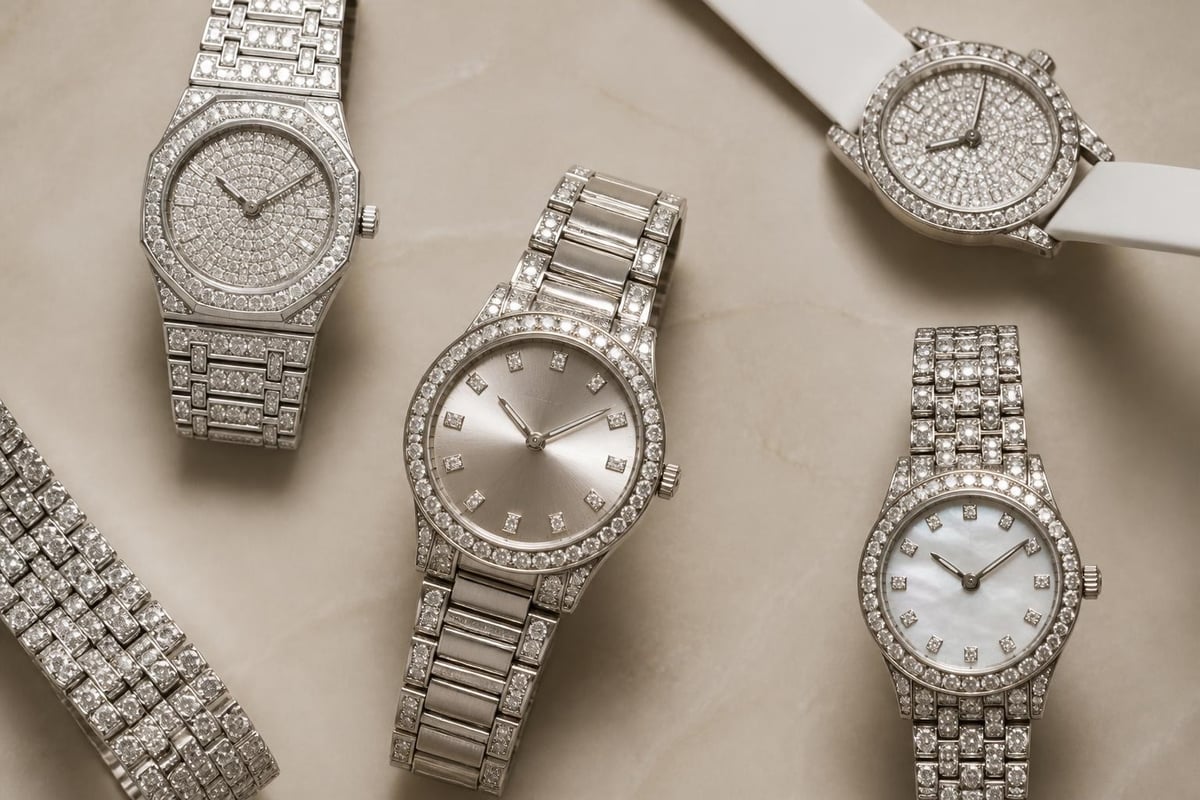
The versatility of lab grown diamonds allows watchmakers unprecedented creative freedom. These gems can be incorporated into virtually every component of a timepiece, from subtle accents to dramatic full-pavé designs.
Bezel Settings and Configurations
Watch bezels represent one of the most popular applications for lab grown diamonds. The rotating or fixed bezel provides an ideal canvas for gem setting, creating dramatic visual impact.
- Channel Setting: Diamonds secured between metal walls for sleek, contemporary appearance
- Pavé Setting: Multiple small stones set closely together for maximum sparkle
- Prong Setting: Individual diamonds held by metal claws, maximizing light exposure
- Flush Setting: Stones embedded level with metal surface for subtle elegance
The technical requirements for setting diamonds in watch bezels demand extraordinary precision. Unlike bracelets or necklaces, watches must maintain water resistance and structural integrity while accommodating gemstones.
Dial Embellishments and Markers
Hour markers set with lab grown diamonds transform functional elements into jewelry accents. Whether using baguette-cut diamonds at 12, 3, 6, and 9 o'clock positions or brilliant-cut stones throughout the dial, these details elevate the aesthetic considerably.
Value Proposition and Investment Considerations
The financial aspect of purchasing a lab grown diamond watch requires careful analysis. While these timepieces typically cost 40-60% less than comparable mined diamond models, several factors influence long-term value retention.
Price Comparison Analysis
| Component | Mined Diamond Watch | Lab Grown Diamond Watch | Difference |
|---|---|---|---|
| 1ct total diamond weight | $15,000-$25,000 | $8,000-$12,000 | 40-52% savings |
| Movement quality | High-grade mechanical | High-grade mechanical | Equivalent |
| Case materials | Precious metals | Precious metals | Equivalent |
| Craftsmanship | Hand-finished | Hand-finished | Equivalent |
The growing acceptance of lab-grown diamonds in luxury watchmaking reflects changing consumer priorities. Modern buyers increasingly value sustainability and ethical production alongside traditional luxury markers.
Resale Value Considerations
Understanding the secondary market for lab grown diamond watches helps inform purchasing decisions. Current market trends indicate:
- Brand reputation significantly impacts resale value
- Limited edition pieces maintain stronger value retention
- Quality of the base timepiece matters more than diamond origin
- Documentation and certification enhance resale potential
- Market acceptance continues growing year over year
Just as loose precious stones require careful consideration of investment potential, watches with lab grown diamonds deserve similar analysis.
Manufacturing Excellence and Craftsmanship
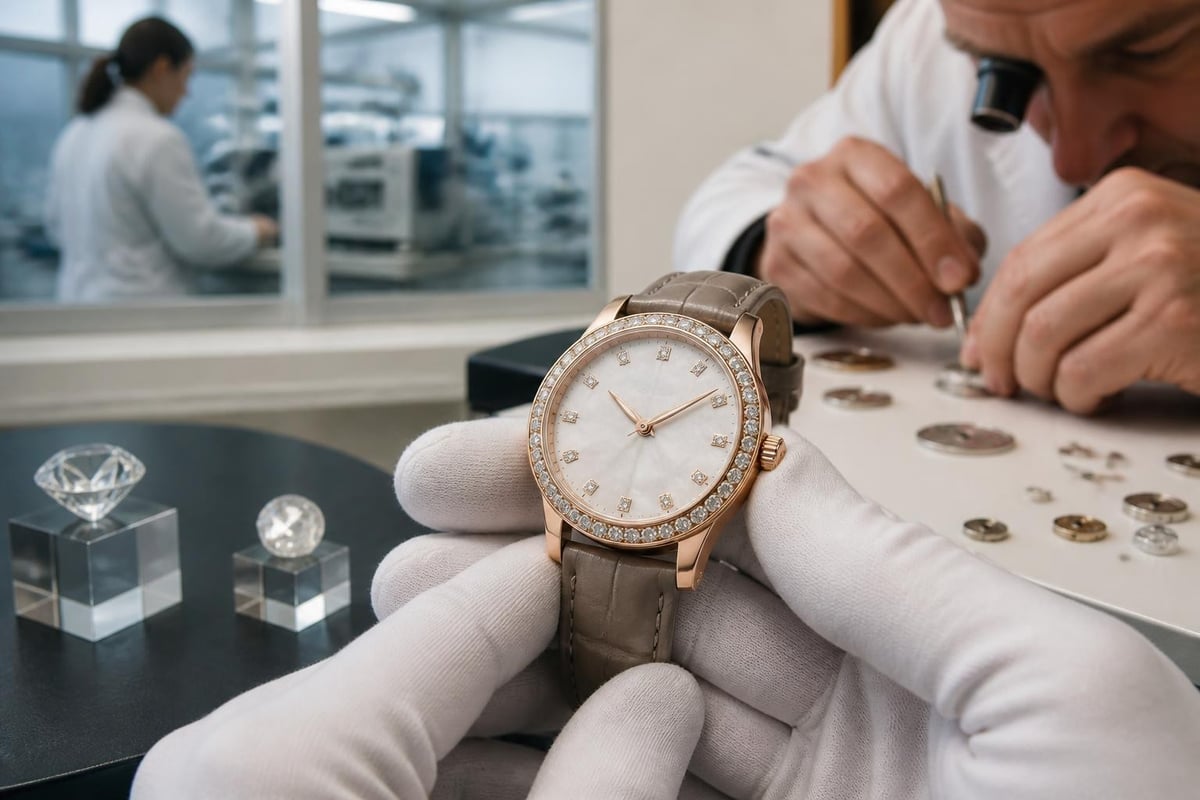
The creation of a lab grown diamond watch involves multiple specialized disciplines converging to produce a single exceptional object. This process combines traditional watchmaking with contemporary gemological science.
Movement Integration
High-quality mechanical movements form the heart of any serious timepiece. Whether featuring automatic, manual-wind, or quartz movements, the mechanism must meet exacting standards:
- Accuracy: Daily variation within COSC chronometer standards
- Power Reserve: Minimum 40-hour runtime for automatic movements
- Finishing: Hand-polished components with decorative techniques
- Durability: Tested for shock resistance and environmental conditions
Case Construction and Materials
Precious metal cases provide the foundation for diamond setting. Common materials include:
- 18k white, yellow, or rose gold
- Platinum 950
- Stainless steel with gold bezels
- Titanium for lightweight alternatives
The case must provide structural integrity while accommodating gem-setting requirements. This balance between strength and elegance requires sophisticated engineering.
Sustainability and Ethical Considerations
Environmental consciousness has become integral to luxury purchasing decisions in 2026. The lab grown diamond watch addresses multiple ethical concerns that traditional mining cannot fully resolve.
Environmental Impact Reduction
Laboratory diamond production uses significantly less land, water, and energy compared to traditional mining operations. Key environmental benefits include:
- Zero landscape disruption from open-pit or underground mining
- Reduced carbon emissions per carat produced
- Controlled water usage without groundwater contamination
- No wildlife habitat destruction
- Minimal waste generation during production
Social Responsibility
Beyond environmental factors, lab grown diamonds eliminate concerns about conflict financing and labor exploitation. Every stone can be traced from creation to final setting, providing complete transparency throughout the supply chain.
Care and Maintenance Requirements
Proper maintenance ensures a lab grown diamond watch retains its beauty and functionality for generations. These timepieces require the same attentive care as any fine jewelry or precision instrument.
Regular Cleaning Procedures
- Wipe case and bracelet with microfiber cloth after wearing
- Use warm water and mild soap for deeper cleaning
- Employ soft brush for hard-to-reach areas around settings
- Rinse thoroughly and dry completely
- Professional ultrasonic cleaning annually
Professional Service Intervals
| Service Type | Frequency | Purpose |
|---|---|---|
| Basic cleaning | Every 6 months | Remove buildup, inspect settings |
| Full service | Every 3-5 years | Movement overhaul, gasket replacement |
| Diamond inspection | Annually | Verify stone security, check prongs |
| Water resistance test | Annually | Ensure seal integrity |
Similar to maintaining rings or other fine jewelry pieces, watches require consistent professional attention to preserve their condition.
Style Versatility and Wearability
The lab grown diamond watch transcends traditional boundaries between jewelry and timepieces. These versatile accessories complement various dress codes and occasions.
Formal Occasions
For evening events and professional settings, watches with subtle diamond accents provide refined elegance. Consider models featuring:
- Single row of diamonds on bezel
- Diamond hour markers on clean dial
- Precious metal bracelet with minimal embellishment
- Classic round or rectangular case shapes
Casual Sophistication
Modern luxury embraces versatility, making diamond watches appropriate for everyday wear. Contemporary designs balance sparkle with practicality through thoughtful proportions and secure settings.
Comparing Luxury Watch Brands
Several prestigious manufacturers have embraced lab grown diamonds, each bringing their distinctive approach to design and quality.
Brand Positioning
Different houses occupy various positions within the luxury spectrum:
- Heritage Brands: Traditional houses incorporating modern materials
- Contemporary Manufacturers: Design-forward companies leading innovation
- Independent Watchmakers: Artisan creators offering unique interpretations
- Specialist Jewelers: Firms with deep gemological expertise
Selection Criteria
When choosing between brands, evaluate:
- Movement quality and origin
- Setting craftsmanship and security
- Design aesthetic and proportions
- Brand heritage and reputation
- Warranty and service network
- Resale value history
Future Trends in Diamond Watchmaking
The evolution of lab grown diamond technology continues accelerating, promising exciting developments for watch enthusiasts and collectors.
Technological Advancements
Research into high-purity lab-grown diamonds demonstrates their exceptional material properties, which extend beyond aesthetic applications. These discoveries may enable entirely new watch complications and functional features.
Emerging innovations include:
- Colored diamonds through controlled doping processes
- Larger single-crystal stones for dramatic centerpieces
- Enhanced cutting techniques maximizing brilliance
- Integration with smart watch technology
Market Evolution
Industry projections suggest continued growth in lab grown diamond acceptance. As production costs decrease and quality improves, these timepieces will likely capture increasing market share across all luxury segments.
Making an Informed Purchase Decision
Selecting the perfect lab grown diamond watch requires balancing multiple factors: aesthetic preferences, technical specifications, budget constraints, and long-term satisfaction.
Pre-Purchase Checklist
Before finalizing your investment, verify:
- Diamond certification from recognized laboratory
- Movement specifications and service requirements
- Case material composition and finish quality
- Setting security and craftsmanship details
- Brand reputation and warranty coverage
- Return policy and satisfaction guarantee
Working with Trusted Retailers
Partnering with established jewelers ensures access to authenticated pieces and expert guidance. Reputable dealers provide comprehensive services including sizing, customization, and ongoing maintenance support.
Authentication and Verification
Distinguishing genuine lab grown diamonds from simulants requires specialized equipment and expertise. While these stones are chemically identical to mined diamonds, various tests confirm authenticity.
Professional Testing Methods
Gemological laboratories employ sophisticated analysis techniques:
- Spectroscopic examination revealing growth patterns
- Ultraviolet fluorescence testing
- Magnification to identify growth markers
- Advanced imaging of crystal structure
Consumer Protection
Purchase from authorized dealers who provide:
- Detailed gemological certificates
- Transparent origin documentation
- Written authenticity guarantees
- Clear return and exchange policies
The same diligence applied when selecting fine jewelry collections should guide lab grown diamond watch purchases.
The lab grown diamond watch represents a sophisticated fusion of technological innovation, sustainable luxury, and timeless design that appeals to modern collectors who refuse to compromise on quality or ethics. Whether you're drawn to the environmental benefits, exceptional value proposition, or simply the breathtaking beauty of perfectly cut diamonds set in precision timepieces, these watches offer a compelling alternative to traditional options. La Maison Val D'or brings expertise in fine gemstones and curated luxury pieces to help you discover the perfect timepiece that reflects both your personal style and values, ensuring your investment delivers lasting satisfaction for years to come.