
Understanding diamond sale price requires knowledge of multiple interconnected factors that influence how these precious gemstones are valued in today's market. Whether you're acquiring a centerpiece for an engagement ring, building a collection of fine jewelry, or investing in loose stones, comprehending the pricing mechanisms helps you make informed decisions. The diamond market has evolved significantly in recent years, with transparency, certification standards, and global market dynamics all playing crucial roles in determining what you'll ultimately pay for these exceptional stones.
The Foundation of Diamond Pricing
The diamond sale price fundamentally begins with the renowned Four Cs: cut, color, clarity, and carat weight. These characteristics form the backbone of any diamond valuation, though their influence varies depending on the specific stone and market segment. Cut quality determines how effectively a diamond reflects light, with superior cuts commanding premium prices regardless of other factors. A well-cut diamond can appear larger and more brilliant than a poorly cut stone of identical carat weight.
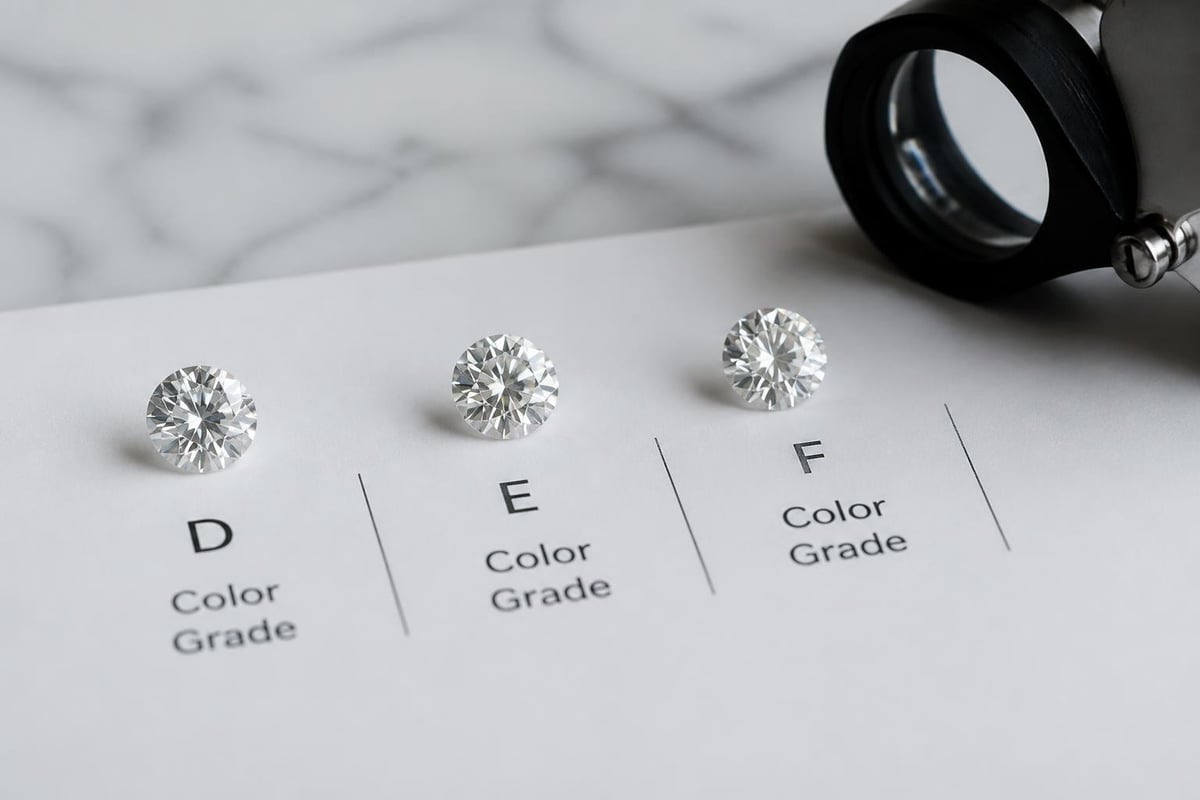
Color grading ranges from D (colorless) to Z (light yellow or brown), with significant price jumps between grades:
- D-F grades: Colorless diamonds commanding highest prices
- G-J grades: Near-colorless stones offering excellent value
- K-M grades: Faint color visible, substantial price reduction
- N-Z grades: Noticeable color affecting desirability and cost
Clarity refers to internal and external imperfections, ranging from Flawless (FL) to Included (I3). Most buyers find the sweet spot in VS1-VS2 grades, where inclusions aren't visible to the naked eye but the diamond sale price remains reasonable compared to flawless stones.
Carat Weight and Price Escalation
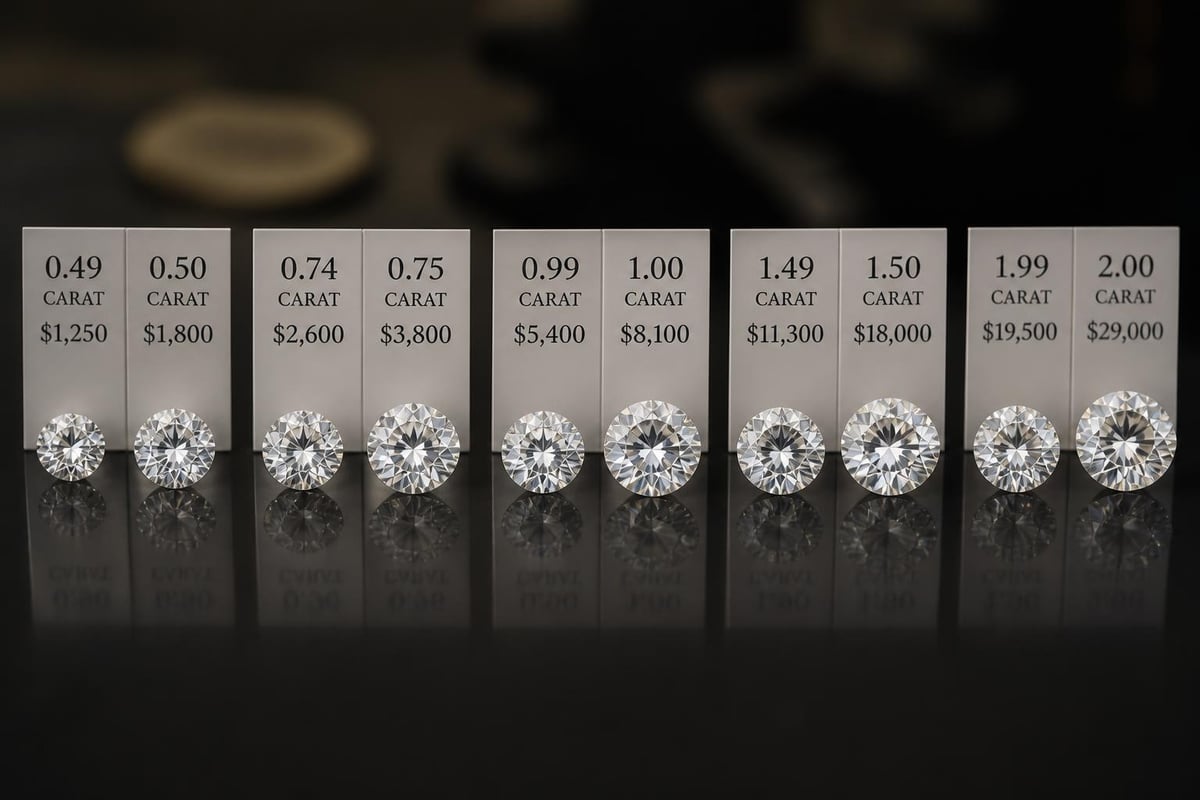
Carat weight doesn't increase price linearly. Instead, significant price jumps occur at milestone weights like 0.50ct, 1.00ct, 1.50ct, and 2.00ct. A 0.95-carat diamond might cost substantially less than a 1.00-carat stone of identical quality, purely because of psychological pricing thresholds in the market. Understanding these pricing nuances helps sophisticated buyers optimize their investment.
Market Dynamics Affecting Diamond Sale Price
The global diamond market responds to economic conditions, supply chain factors, and consumer preferences. In 2026, several trends significantly influence pricing across all segments. Lab-grown diamonds have created a parallel market, offering chemical and physical equivalents to natural diamonds at reduced prices, which has applied downward pressure on certain natural diamond segments while simultaneously elevating appreciation for rare, exceptional natural stones.
Supply considerations remain paramount. Natural diamonds require extensive mining operations, and production from major sources fluctuates based on geological factors, operational challenges, and regulatory environments. When supply tightens, prices for natural diamonds typically rise, particularly for higher-quality stones.
| Market Factor | Impact on Price | Timeline |
|---|---|---|
| Economic uncertainty | Decreased demand for luxury items | Immediate |
| Mining production changes | Supply constraints or abundance | 6-12 months |
| Lab-grown competition | Pressure on lower-quality naturals | Ongoing |
| Collector demand | Premium for exceptional stones | Long-term |
| Currency fluctuations | International price variations | Real-time |
Rare colored diamonds represent a distinct market segment entirely. The sale of exceptional pieces like the 'Ocean Dream' blue-green diamond for over $17 million demonstrates how extraordinary stones command prices far beyond standard colorless diamond valuation models.
Certification and Its Role in Valuation
Professional certification from reputable gemological laboratories serves as a cornerstone for establishing credible diamond sale price expectations. The Gemological Institute of America (GIA), American Gem Society (AGS), and International Gemological Institute (IGI) provide trusted assessments that buyers and sellers rely upon for transparent transactions.
A certified diamond typically commands a higher price than an uncertified stone of similar appearance because the certification provides verified documentation of characteristics. This documentation proves particularly valuable for:
- Resale purposes and establishing provenance
- Insurance valuation and coverage
- Investment-grade acquisitions
- Estate planning and inheritance matters
The Premium for Provenance
Diamonds with notable histories or celebrity provenance often achieve sale prices significantly exceeding their gemological valuations. The auction of the 'Mellon Blue' diamond for $25.6 million exemplifies how provenance amplifies value. While the stone possessed exceptional characteristics, its association with a prominent family elevated the final sale price substantially.
For collectors acquiring pieces from established fine jewelry houses, the brand reputation and craftsmanship contribute to the overall value proposition beyond the inherent diamond characteristics themselves.
Regional Price Variations and Shopping Strategies
Diamond sale price varies considerably across geographic markets and retail channels. Traditional brick-and-mortar jewelers in premium locations carry higher overhead costs reflected in pricing. Online retailers often offer competitive pricing due to reduced operational expenses, though buyers sacrifice the ability to physically examine stones before purchase.

Strategic considerations for optimizing diamond purchases include:
- Comparing prices across multiple reputable sources
- Understanding seasonal sales patterns and promotional periods
- Considering slightly lower color or clarity grades for significant savings
- Prioritizing cut quality over size for maximum visual impact
- Exploring alternative diamond shapes for better value
- Requesting detailed certification before committing to purchase
Round brilliant cuts typically command premium pricing compared to fancy shapes like oval, pear, or marquise diamonds of equivalent quality. This price differential can reach 20-30% for identical carat weights and grades, presenting opportunities for value-conscious buyers who appreciate non-traditional aesthetics.
Investment Considerations and Price Stability
While diamonds serve primarily as luxury items and emotional purchases, some buyers consider their investment potential. The diamond sale price for investment-grade stones follows different patterns than commercial jewelry diamonds. Investment stones typically feature exceptional characteristics: D-F color, IF-VVS1 clarity, excellent cut, and significant carat weights above 1.00ct.
Historical data suggests that high-quality diamonds maintain value better than lower-grade stones during market downturns. However, diamonds generally shouldn't be considered pure investment vehicles like stocks or bonds. Their value lies primarily in personal enjoyment, with price stability and potential appreciation serving as secondary benefits.
Market Trends for 2026
Current market analysis indicates several noteworthy trends affecting diamond pricing structures. The June 2026 Diamond Market Report reveals that certain diamond categories experience robust demand while others face pricing pressures. Fancy colored diamonds, particularly natural pink, blue, and red stones, continue appreciating due to extreme rarity and consistent collector demand.
The middle market-diamonds between 0.50ct and 1.50ct in SI1-VS2 clarity and G-I color-faces the most significant competition from lab-grown alternatives. Buyers in this segment increasingly weigh the authenticity premium against practical considerations, influencing natural diamond sale price dynamics.
| Diamond Category | 2026 Price Trend | Key Drivers |
|---|---|---|
| Exceptional large stones (3ct+) | Stable to increasing | Limited supply, collector demand |
| Fancy colored naturals | Increasing | Extreme rarity, investment appeal |
| Standard 1-2ct colorless | Stable | Balanced supply and demand |
| Smaller stones (0.25-0.75ct) | Slight decrease | Lab-grown competition |
| Commercial grades (SI2-I1) | Decreasing | Strong lab-grown alternatives |
The Impact of Setting and Craftsmanship
The diamond sale price represents only one component of fine jewelry acquisition. Superior craftsmanship, precious metal selection, and design complexity significantly influence the total investment. A diamond set in a meticulously crafted platinum mounting with intricate detailing carries substantially higher value than the same stone in a basic setting.
Established jewelry houses like La Maison Val D'or distinguish themselves through curatorial expertise and craftsmanship that enhances the inherent beauty of exceptional diamonds. The setting serves not merely as a functional holder but as an artistic complement that maximizes the stone's visual impact.
When evaluating total costs, consider:
- Precious metal prices fluctuate independently of diamond values
- Custom design work requires skilled labor reflected in pricing
- Brand reputation and quality guarantees add intangible value
- Certain settings enhance diamond appearance beyond specifications
For those building comprehensive collections, exploring curated jewelry pieces provides opportunities to acquire diamonds set in designs that maximize their beauty while ensuring cohesive aesthetic appeal.
Understanding Price Psychology and Negotiation
The diamond industry operates with varying price flexibility depending on the sales channel. Understanding the factors affecting diamond prices empowers buyers during negotiations. While some retailers maintain firm pricing, others offer room for discussion, particularly for significant purchases or repeat clients.
Effective negotiation strategies include:
- Demonstrating market knowledge through comparative research
- Purchasing multiple items to increase transaction value
- Timing acquisitions during slower retail periods
- Establishing relationships with preferred jewelers
- Understanding true replacement costs versus retail markup
Psychological pricing plays a substantial role in diamond retail. Stones priced just below major thresholds ($4,950 versus $5,000) create perception of value despite minimal actual difference. Savvy buyers recognize these tactics and focus on objective quality metrics rather than price presentation.
The Role of Diamond Shape in Pricing
Shape selection dramatically influences diamond sale price for identical carat weights. Round brilliant cuts remain most expensive due to higher rough diamond waste during cutting and sustained market demand. Alternative shapes offer opportunities for value optimization:
- Oval and cushion cuts: 15-20% less than round brilliants
- Princess cuts: 20-25% savings with comparable sparkle
- Emerald and Asscher cuts: 25-30% lower but different aesthetic
- Pear and marquise shapes: 30-35% reduction, unique appearance
These price differences mean buyers can acquire larger carat weights or higher grades by selecting alternative shapes, though personal aesthetic preference should ultimately guide decisions. Comprehensive diamond pricing guides detail how each shape commands different market values.
Ethical Sourcing and Price Implications
Contemporary buyers increasingly prioritize ethical sourcing and environmental responsibility in their diamond acquisitions. Conflict-free certification and sustainable mining practices may influence diamond sale price, though premium positioning depends on transparent documentation and credible third-party verification.
The Kimberley Process Certification Scheme provides basic assurance against conflict diamonds, while additional certifications like Responsible Jewellery Council membership indicate broader ethical commitments. Some buyers willingly pay modest premiums for documented ethical sourcing, viewing it as inherent to the purchase value.
Lab-grown diamonds appeal to ethically conscious consumers seeking guaranteed conflict-free origins, though they trade natural rarity for environmental considerations. The choice between natural and lab-grown diamonds involves weighing various ethical, aesthetic, and value factors unique to each buyer's priorities.
Building Long-Term Value Through Quality
Focusing on quality over size typically yields better long-term satisfaction and value retention. A smaller diamond with exceptional cut, color, and clarity often appears more impressive than a larger stone with compromised characteristics. This principle applies particularly to pieces intended as heirlooms or significant investments.
When evaluating quality versus size tradeoffs, prioritize cut quality above all else. A superbly cut diamond maximizes brilliance and fire, often appearing larger than its actual carat weight suggests. Conversely, poor cut quality diminishes even the finest color and clarity grades.
For those exploring comprehensive collections, examining various jewelry categories reveals how different piece types showcase diamonds effectively. Certain settings and designs complement specific diamond characteristics, maximizing visual impact while optimizing overall value.
The diamond sale price ultimately reflects a complex interplay of objective characteristics, market conditions, brand positioning, and individual preferences. Understanding these variables empowers buyers to make confident decisions aligned with their aesthetic vision, budget parameters, and long-term satisfaction goals.
Understanding diamond pricing complexities allows discerning buyers to recognize exceptional value when they encounter it, whether acquiring a signature piece or building a curated collection. The expertise and curatorial vision at La Maison Val D'or ensures that each diamond in their collection meets exacting standards of quality and timeless elegance, providing clients with confidence in both their aesthetic choices and their investment in enduring beauty.