
Loose Diamond Cost: Understanding Pricing in 2026
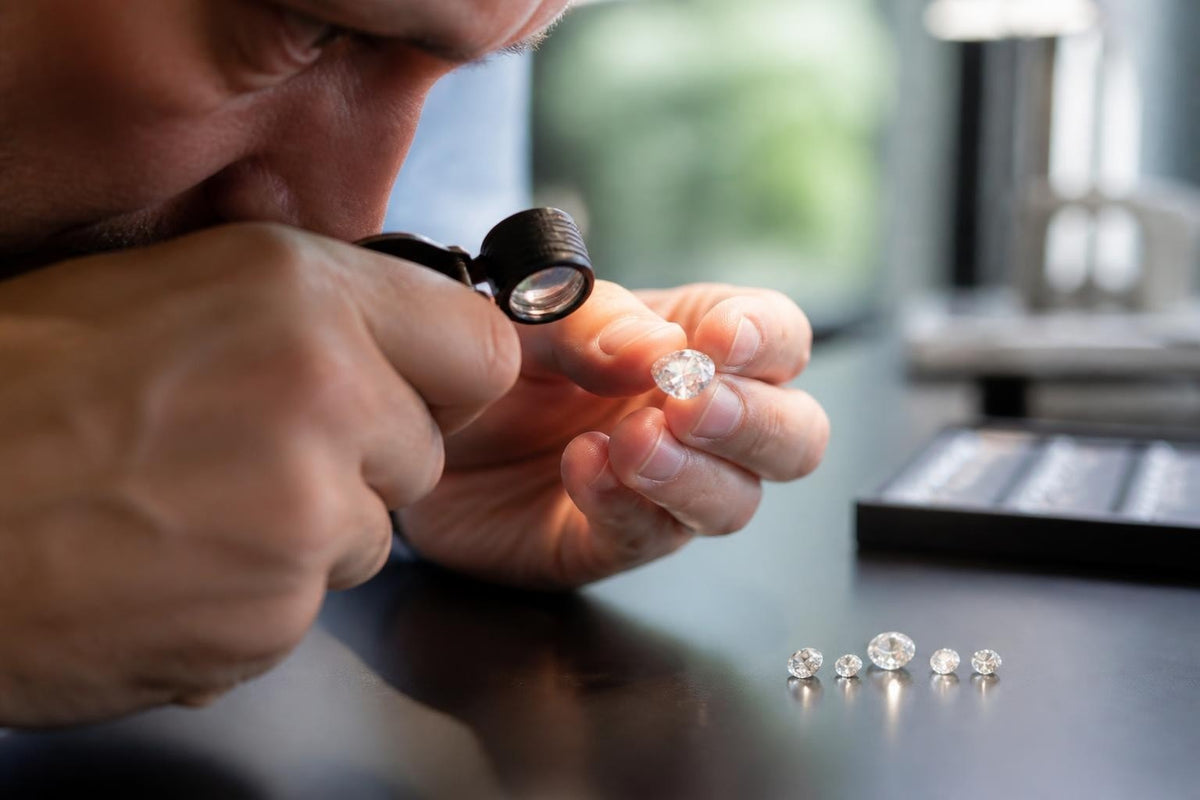
When purchasing fine jewelry, understanding loose diamond cost represents one of the most important investment decisions you'll make. Unlike pre-set pieces, loose diamonds offer flexibility, transparency, and often better value for discerning collectors and jewelry enthusiasts. For those seeking exceptional quality and timeless elegance, navigating the complexities of diamond pricing requires knowledge of multiple factors that work together to determine a stone's ultimate value. Whether you're creating a bespoke engagement ring or adding to a curated collection, comprehending these pricing dynamics empowers you to make informed decisions that align with both your aesthetic vision and investment goals.
The Foundation of Diamond Valuation
The loose diamond cost begins with the universally recognized 4Cs: carat weight, cut, color, and clarity. These fundamental characteristics form the baseline for all diamond pricing, yet their interaction creates a nuanced valuation system that extends far beyond simple addition.
Carat Weight and Price Per Carat
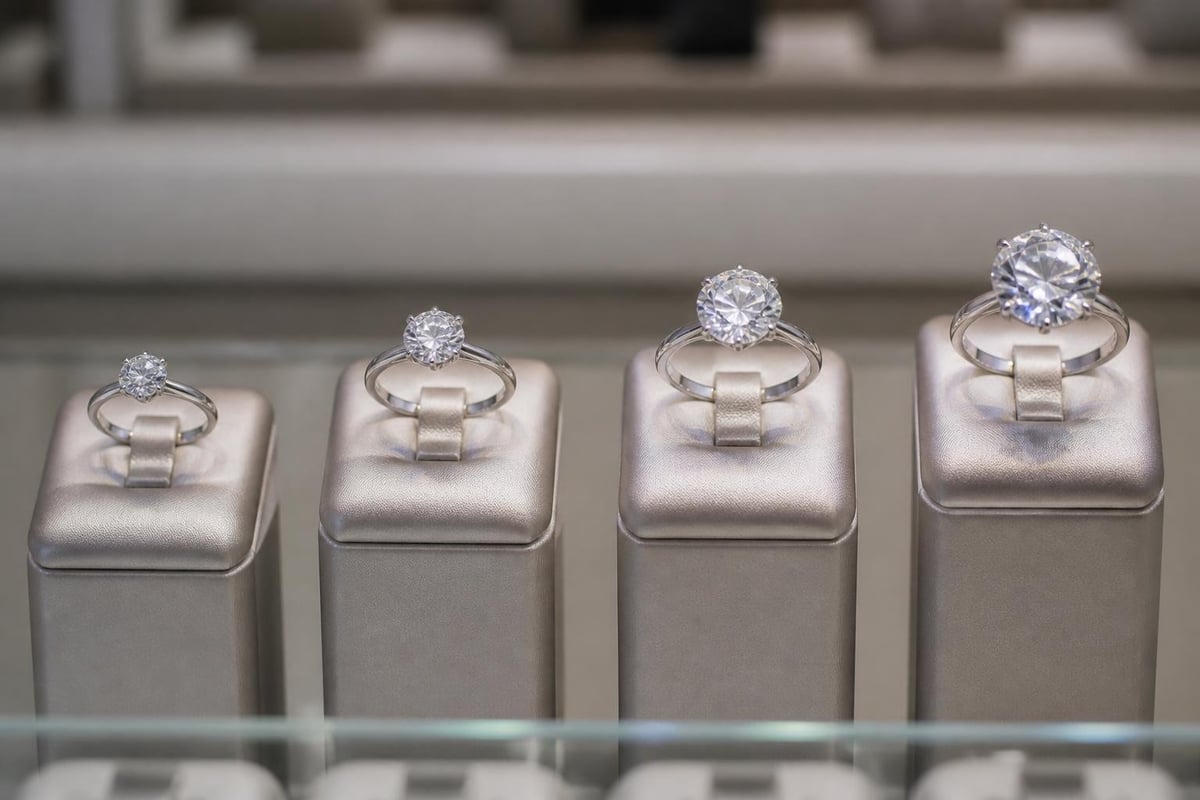
Carat weight significantly influences diamond pricing, but not in a linear fashion. As diamonds increase in size, their price per carat rises exponentially because larger diamonds are considerably rarer. A two-carat diamond doesn't cost twice as much as a one-carat stone of similar quality-it typically costs three to four times more.
Key carat weight price thresholds include:
- 0.50 carats: Entry point for engagement rings
- 1.00 carat: Substantial price jump due to psychological appeal
- 2.00 carats: Premium pricing tier begins
- 3.00 carats and above: Investment-grade territory
The market shows distinct price increases at these popular weights. Understanding how factors influencing loose diamond pricing work together helps buyers recognize when slightly smaller stones offer exceptional value. A 0.95-carat diamond, for instance, can cost 15-20% less than a 1.00-carat stone while appearing virtually identical to the naked eye.
Cut Quality's Impact on Value
Cut quality determines how brilliantly a diamond reflects light, making it arguably the most critical factor affecting both beauty and price. A poorly cut diamond, regardless of its color or clarity, will appear dull and lifeless. Conversely, an expertly cut stone maximizes brilliance and fire.
| Cut Grade | Light Return | Price Premium | Visual Impact |
|---|---|---|---|
| Excellent | 95-100% | +15-20% | Maximum brilliance |
| Very Good | 85-94% | +5-10% | Strong performance |
| Good | 75-84% | Baseline | Acceptable sparkle |
| Fair/Poor | Below 75% | -20-40% | Diminished beauty |
Professional gemological laboratories assess cut through precise measurements of proportion, symmetry, and polish. The additional cost for an excellent cut grade represents a worthwhile investment, as superior cutting amplifies a diamond's natural beauty in ways that cannot be replicated through higher color or clarity grades alone.
Color and Clarity Considerations
Color grading for white diamonds runs from D (colorless) through Z (light yellow or brown). The most valuable stones fall within the D-F range, exhibiting no discernible color even under professional examination. However, the price differences between these top grades can be substantial.
Strategic Color Selection
For buyers seeking value without sacrificing appearance, G-H color grades offer an excellent balance. These near-colorless diamonds appear white when mounted in jewelry, particularly in platinum or white gold settings, yet cost significantly less than D-F stones.
Color grade pricing breakdown:
- D-E: Premium pricing, 15-25% above F color
- F-G: Sweet spot for value-conscious buyers
- H-I: Excellent value in yellow gold settings
- J and below: Noticeable warmth, significant discounts
Clarity refers to the presence of internal characteristics (inclusions) and external blemishes. The GIA clarity scale ranges from Flawless (FL) to Included (I1-I3). Many inclusions remain invisible to the naked eye, making certain clarity grades more practical than others.
Understanding Clarity Value
VS2 and SI1 clarity grades frequently offer exceptional value because their inclusions are invisible without magnification. The price difference between a VVS1 and VS2 diamond of similar specifications can exceed 30%, yet both appear flawless to observers during normal viewing.
Investment-minded collectors should prioritize "eye-clean" stones-diamonds where inclusions cannot be detected without professional equipment. This approach maximizes visual appeal while avoiding unnecessary premiums for microscopic perfection that doesn't impact everyday beauty. La Maison Val D'or's curated fine jewelry collections exemplify this philosophy, selecting stones that balance technical excellence with visual magnificence.
Market Dynamics and Diamond Origins
The loose diamond cost fluctuates based on market conditions, supply chain factors, and global economic trends. Understanding these broader influences helps buyers time purchases strategically and recognize fair pricing.
Natural Versus Lab-Grown Pricing
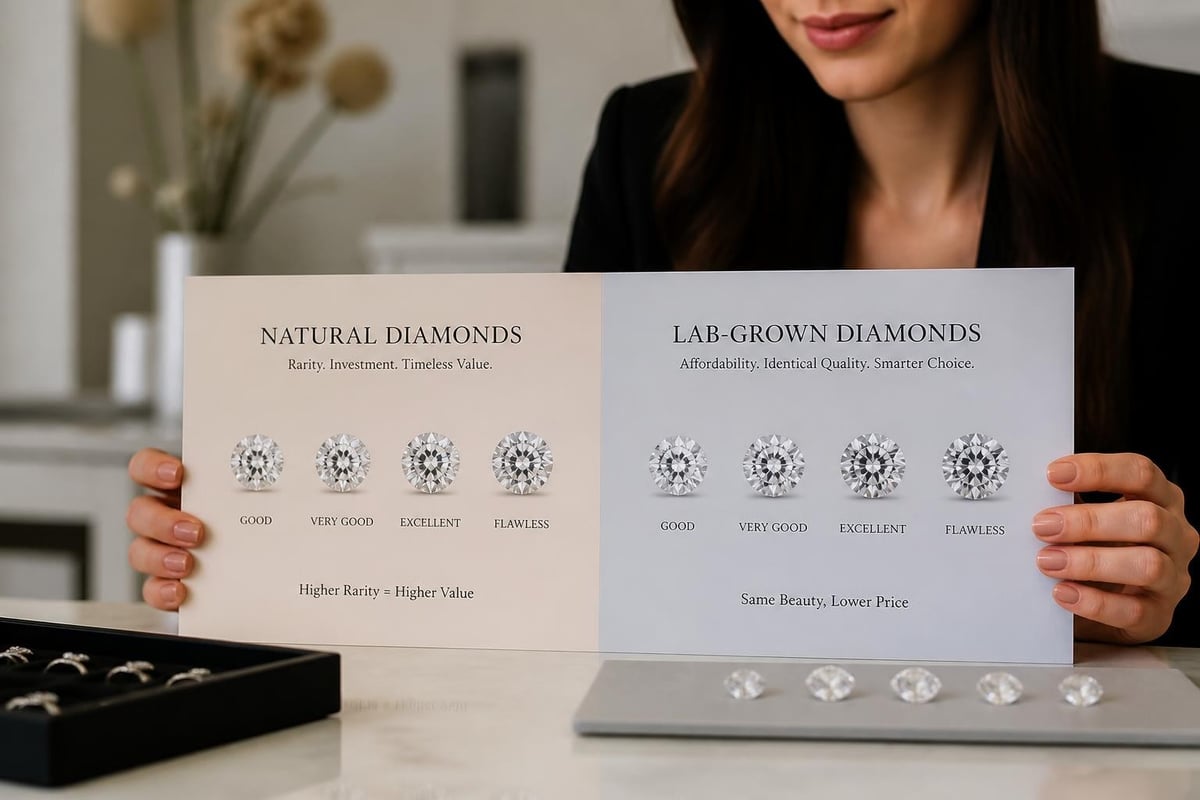
Lab-grown diamonds have disrupted traditional pricing structures. These stones possess identical physical, chemical, and optical properties to natural diamonds but typically cost 60-80% less at comparable quality levels. For buyers focused purely on aesthetics, lab-grown options provide impressive value.
However, natural diamonds maintain their position in the luxury market due to rarity, historical significance, and investment potential. The choice between natural and lab-grown often reflects personal values regarding sustainability, tradition, and long-term value retention.
Comparing cost structures:
| Diamond Type | 1ct Round Excellent Cut | Market Position | Resale Value |
|---|---|---|---|
| Natural D/VVS1 | $12,000-$18,000 | Premium luxury | Strong retention |
| Natural G/VS2 | $5,500-$8,000 | Mainstream luxury | Moderate retention |
| Lab-Grown D/VVS1 | $2,000-$3,500 | Value-conscious | Limited market |
| Lab-Grown G/VS2 | $800-$1,500 | Budget-friendly | Minimal resale |
The cost comparison between loose and set diamonds reveals additional considerations. Purchasing loose diamonds separately from settings often provides 15-30% savings compared to pre-set pieces, while allowing complete customization of the final design.
Certification and Its Financial Impact
Professional certification from reputable gemological laboratories significantly affects loose diamond cost. Certificates from the Gemological Institute of America (GIA), American Gem Society (AGS), and other recognized authorities provide independent verification of a diamond's characteristics.
The Certification Premium
GIA-certified diamonds typically command 5-15% premiums over similar uncertified stones. This additional cost provides crucial benefits: verified grading accuracy, detailed documentation for insurance purposes, and enhanced resale value. The certification itself becomes part of the diamond's provenance, adding transparency and confidence to the transaction.
Buyers should exercise caution with lesser-known laboratories that may grade generously. A diamond certified as "G/VS2" by an unreliable lab might actually grade "I/SI2" under GIA standards-a difference that could represent thousands of dollars in value.
Trusted certification bodies include:
- Gemological Institute of America (GIA): Industry gold standard
- American Gem Society (AGS): Rigorous scientific grading
- International Gemological Institute (IGI): Widely recognized, particularly for lab-grown
- HRD Antwerp: European authority with strong reputation
The diamond pricing journey from mining to retail demonstrates how certification adds value at every stage. Certified diamonds move more efficiently through distribution channels and command better prices in both primary and secondary markets.
Shape Selection and Price Variations
Diamond shape dramatically influences cost, with round brilliant cuts commanding the highest premiums. Approximately 75% of all diamonds sold for engagement rings are round brilliants, and this popularity maintains elevated pricing.
Alternative Shape Value Opportunities
Fancy shapes-princess, cushion, oval, emerald, pear, marquise, and others-typically cost 15-40% less than comparable round diamonds. This price difference reflects both cutting efficiency (fancy shapes retain more rough diamond weight) and market demand patterns.
Shape price index (relative to round brilliant):
- Round Brilliant: Baseline (100%)
- Princess: 75-85%
- Cushion: 70-80%
- Oval: 70-80%
- Emerald: 65-75%
- Radiant: 65-75%
- Pear: 60-70%
- Marquise: 60-70%
- Asscher: 65-75%
Oval diamonds have surged in popularity recently, narrowing their traditional discount to round brilliants. Fashion trends influence these premiums, making shape selection both an aesthetic and financial decision. For buyers seeking maximum visual impact per dollar, elongated shapes like oval, pear, and marquise create impressive finger coverage at competitive price points.
Retailer Markup and Purchasing Strategies
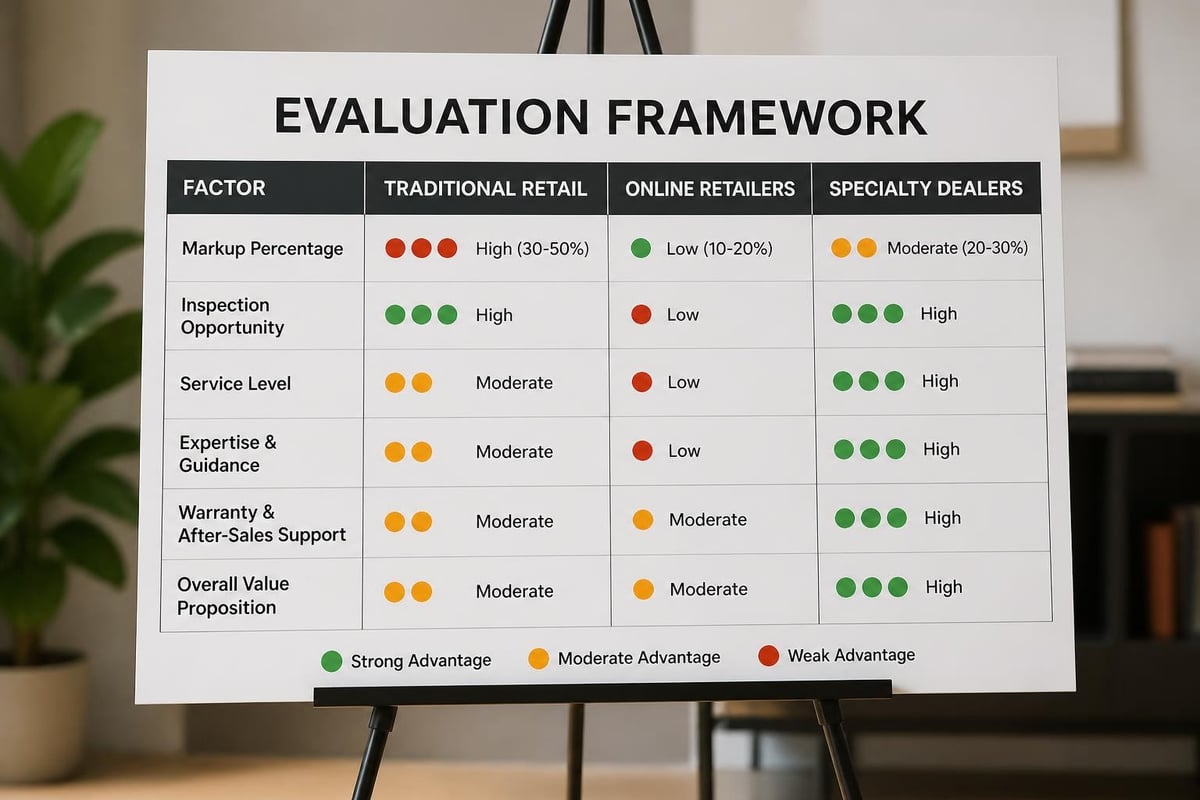
Understanding retail markup structures helps buyers negotiate effectively and recognize fair pricing. Traditional jewelry retailers typically apply 100-300% markups over wholesale diamond costs, though online retailers have compressed these margins significantly.
Direct-to-Consumer Advantages
Online diamond retailers and specialized dealers often offer 20-40% savings compared to traditional brick-and-mortar stores. These businesses maintain lower overhead costs and pass savings to consumers while providing detailed imagery, certification documents, and generous return policies.
However, physical inspection remains valuable, particularly for higher-value purchases. The ability to examine diamonds under various lighting conditions and compare multiple stones side-by-side helps buyers confirm their selections align with expectations.
Evaluation strategies include:
- Research current market prices using online databases
- Request detailed imagery including ASET or Idealscope images
- Verify certification through official laboratory websites
- Compare multiple vendors for identical specifications
- Consider timing purchases during traditional slow periods (January-February, July-August)
The expertise offered by establishments like La Maison Val D'or combines personal service with competitive pricing, providing guidance through complex decisions while maintaining transparent valuation practices.
Investment Considerations and Long-Term Value
While diamonds shouldn't be viewed primarily as financial investments, certain stones do maintain or appreciate in value over time. Understanding which characteristics support long-term value retention helps buyers make decisions that balance immediate enjoyment with future flexibility.
Investment-Grade Characteristics
Diamonds most likely to hold value share specific attributes: larger sizes (two carats and above), superior quality grades (D-F color, VVS1-VVS2 clarity), excellent cut grades, and GIA certification. These stones appeal to a global market of collectors and investors, ensuring liquidity when owners eventually sell.
| Investment Factor | Ideal Specification | Market Depth | Appreciation Potential |
|---|---|---|---|
| Carat Weight | 2.00ct+ | Strong | Moderate to high |
| Color Grade | D-F | Very strong | Moderate |
| Clarity Grade | IF-VVS2 | Strong | Low to moderate |
| Cut Grade | Excellent | Essential | Maintains value |
| Shape | Round Brilliant | Strongest | Most stable |
| Certification | GIA | Critical | Enables resale |
Fancy colored diamonds-particularly pink, blue, and red varieties-represent a different investment category entirely. These rare stones have demonstrated strong appreciation over the past two decades, though their market remains specialized and less liquid than white diamond markets.
Special Considerations for Fine Jewelry Enthusiasts
Collectors building curated jewelry wardrobes should approach loose diamond cost with a portfolio mindset. Rather than concentrating resources in a single spectacular stone, diversification across multiple quality pieces provides versatility and wearing options for various occasions.
Building a Strategic Collection
Starting with foundational pieces-a pair of diamond studs, a classic pendant, perhaps a tennis bracelet-establishes a base collection. These items offer daily wearability and timeless appeal. Subsequently, adding statement pieces or colored gemstones creates variety and personal expression.
Collection-building priorities:
- Earrings: 0.50-1.00 total carat weight per pair, G-H color, VS2-SI1 clarity
- Pendant: 0.75-1.50 carats, prioritize cut quality for maximum brilliance
- Ring: Personal preference on size, but focus on eye-clean clarity
- Bracelet: Matched diamonds in graduated or uniform sizes
The journey from understanding price of loose diamonds to building a meaningful collection requires patience and education. Each acquisition should reflect both personal style and informed decision-making, ensuring satisfaction across years or decades of ownership.
Emerging Trends Affecting 2026 Pricing
The diamond market continues evolving, with several trends influencing loose diamond cost in 2026. Sustainability consciousness has elevated demand for verified ethical sourcing, sometimes commanding premiums for diamonds with complete chain-of-custody documentation.
Technology and Transparency
Advanced imaging technology now allows buyers to examine diamonds with unprecedented detail before purchase. High-resolution photography, 360-degree videos, and specialized light performance imaging help online buyers make confident decisions without physical inspection.
Blockchain-based tracking systems provide permanent records of diamond provenance, from mine to market. These technologies address consumer concerns about conflict diamonds and environmental impact while potentially affecting pricing for verified sustainable stones.
Contemporary market influences include:
- Ethical sourcing premiums: 2-5% for verified sustainable diamonds
- Lab-grown market maturation: Continued price compression
- Vintage and estate diamond demand: Growing appreciation for antique cuts
- Customization preference: Increased loose diamond purchases for bespoke creations
- Digital-native retailers: Ongoing compression of traditional markups
Academic research, including hedonic models for diamond pricing, provides increasingly sophisticated valuation frameworks that benefit both buyers and sellers through improved price transparency and market efficiency.
Practical Purchasing Framework
Approaching loose diamond cost with a structured methodology ensures optimal results. Begin by establishing a realistic budget that accounts for both the diamond and its eventual setting. Allocate approximately 60-70% of total budget to the diamond itself, reserving the remainder for mounting and customization.
Decision-Making Sequence
Priority one: Determine size requirements Select minimum acceptable carat weight based on personal preferences and finger size. This establishes baseline budget parameters.
Priority two: Maximize cut quality Never compromise on cut grade. An excellent cut in a slightly lower color or clarity grade always surpasses a poor cut in higher grades.
Priority three: Find the clarity sweet spot Identify the lowest clarity grade that remains eye-clean. This single decision can save 20-30% without visual compromise.
Priority four: Optimize color selection Match color grade to setting metal. Near-colorless grades (G-H) work beautifully in white metals, while warmer grades suit yellow or rose gold.
Priority five: Verify certification Confirm independent grading from reputable laboratories. Never purchase significant diamonds without proper certification.
This systematic approach, combined with insights from resources explaining understanding the price of loose diamonds, empowers buyers to maximize value across all relevant dimensions.
Working with Trusted Specialists
Establishing relationships with knowledgeable jewelers provides advantages that extend beyond single transactions. Experienced specialists offer education, access to exclusive inventory, and guidance tailored to individual circumstances and preferences.
Questions to ask potential jewelers include:
- What is your return and exchange policy?
- Can you provide references from previous clients?
- How do you source your diamonds?
- What post-purchase services do you offer?
- Will you provide a detailed appraisal for insurance purposes?
Professional jewelers should welcome these inquiries and respond with transparency. Their expertise helps navigate the complexities of loose diamond cost while ensuring purchases align with both aesthetic vision and financial parameters. The commitment to quality and client education exemplified by specialty houses ensures every acquisition represents thoughtful investment in enduring beauty.
Understanding the nuanced factors that determine loose diamond cost empowers you to make confident decisions that balance quality, beauty, and value. Whether you're seeking a spectacular center stone for a custom creation or building a curated collection of timeless pieces, knowledge transforms the purchasing process from overwhelming to enjoyable. La Maison Val D'or specializes in guiding discerning clients through these important decisions, offering expertly curated selections of exceptional diamonds and gemstones alongside personalized service that honors both your vision and investment. Explore their collection to discover how expertise, quality, and elegance combine in pieces designed to be treasured for generations.