A precious stone represents far more than mere mineral composition. It embodies centuries of geological processes, cultural significance, and human artistry. For discerning collectors and jewelry enthusiasts, understanding the nuances of these natural treasures enhances appreciation and guides informed acquisition decisions. Whether selecting an engagement ring centerpiece or building a curated collection, knowledge of gemstone characteristics, authenticity markers, and valuation principles proves essential in 2026's sophisticated fine jewelry market.
Understanding What Makes a Precious Stone Valuable
The classification of a precious stone depends on multiple intersecting factors that distinguish truly exceptional specimens from common minerals. Rarity stands as the primary determinant, with certain gemstones occurring in only a handful of global locations. Color saturation, clarity, cut quality, and carat weight collectively form the foundation of gemstone valuation, though their relative importance varies by stone type.
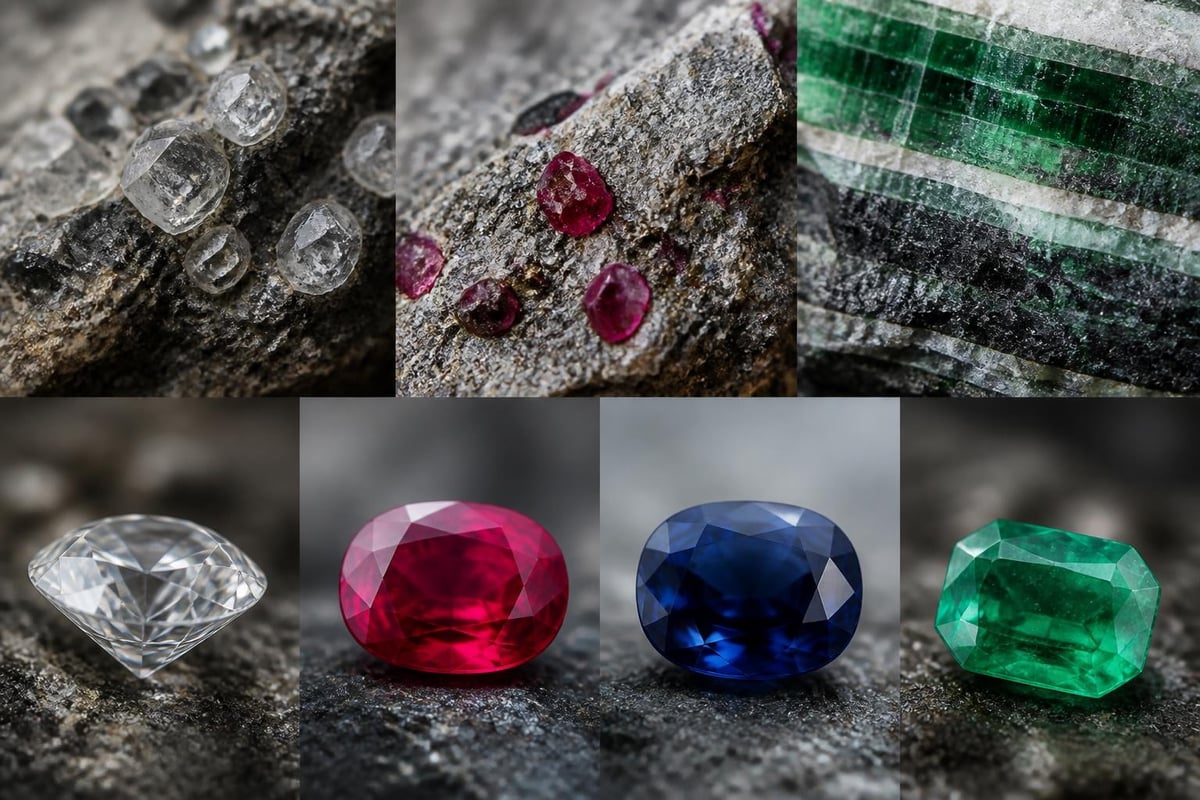
Traditional precious stones include diamonds, rubies, sapphires, and emeralds. These four have maintained their status for centuries due to their exceptional hardness, brilliance, and scarcity. The historical significance of precious stones traces back to ancient civilizations, where they adorned royalty and religious artifacts, cementing their cultural importance across millennia.
The Science Behind Gemstone Formation
Natural gemstones form under specific geological conditions requiring precise temperature, pressure, and chemical composition. Most precious stones crystallize deep within the Earth's mantle over millions of years. Diamonds, for instance, form at depths exceeding 100 miles under extreme pressure before volcanic activity transports them to accessible depths.
The formation and properties of minerals and gems reveal how trace elements create the spectacular colors we prize. Chromium produces ruby's passionate red, while iron and titanium combine to create sapphire's royal blue. Understanding these formation processes helps collectors appreciate why certain color saturations command premium prices.
Evaluating Quality and Authenticity
Assessing a precious stone requires expertise in gemological characteristics that distinguish exceptional specimens from mediocre ones. Professional evaluation encompasses both observable features and advanced testing methodologies.
The Four Cs and Beyond
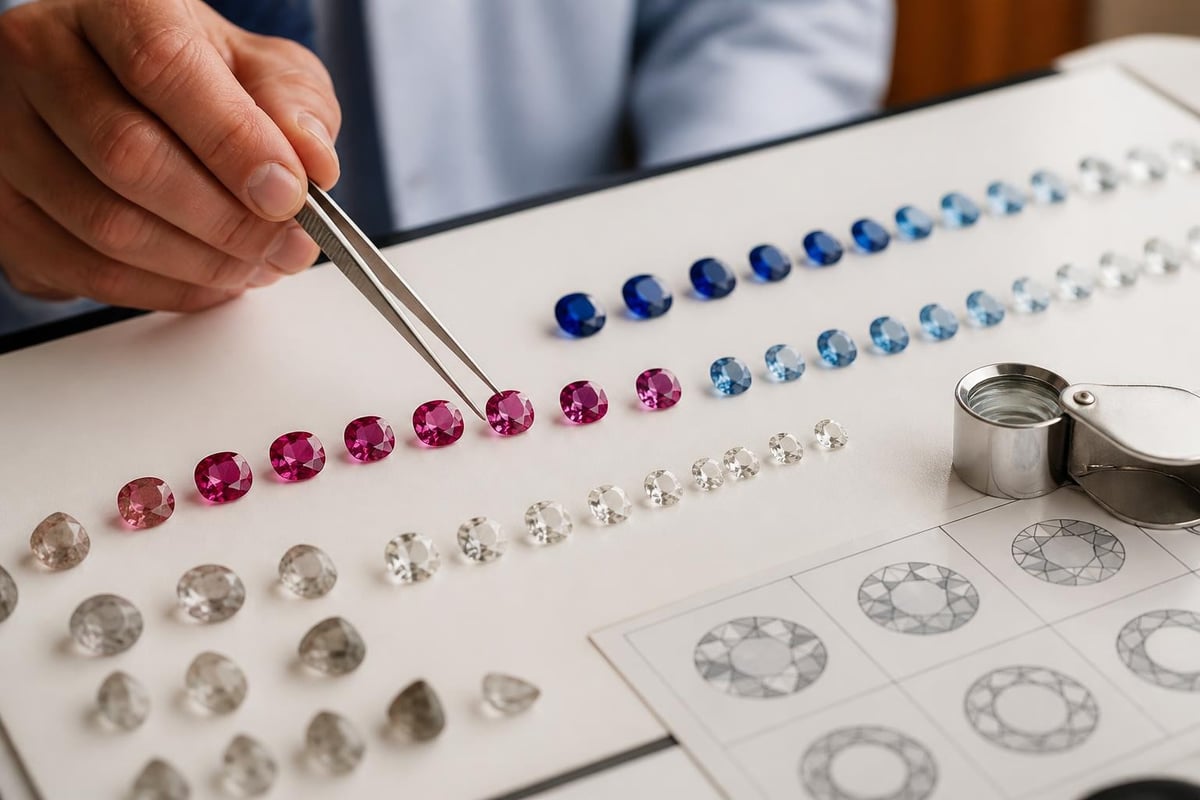
While the Four Cs (Color, Clarity, Cut, and Carat) provide a framework for diamond evaluation, assessing colored gemstones demands additional considerations:
- Color: Hue, tone, and saturation determine desirability, with each gemstone having optimal color characteristics
- Clarity: Internal inclusions and surface blemishes affect value, though some inclusions prove authenticity
- Cut: Proportions, symmetry, and polish maximize brilliance and color saturation
- Carat: Weight correlates with size, though cut proportions significantly impact appearance
Origin has emerged as a critical fifth factor, with certain mining locations producing superior quality stones. Burmese rubies and Colombian emeralds, for example, command premiums due to their exceptional color characteristics. The history of mining precious gemstones demonstrates how geographic origin influences both quality perception and market value.
Authentication Methods
| Testing Method | What It Reveals | Best Used For |
|---|---|---|
| Refractive Index | Light bending properties unique to each gemstone | Identification and synthetic detection |
| Spectroscopy | Chemical composition and trace elements | Origin determination and treatment detection |
| Microscopic Examination | Inclusion patterns and growth characteristics | Natural vs. synthetic differentiation |
| UV Fluorescence | Reaction to ultraviolet light | Diamond grading and treatment identification |
Modern laboratories employ sophisticated equipment to detect treatments and synthetics that mimic natural stones. A precious stone's authenticity documentation should include certification from reputable gemological institutes, providing buyers with confidence in their investment.
Investment Considerations for Precious Stones
The economic principles governing gemstone markets differ substantially from traditional commodities. Understanding these dynamics helps collectors make strategic acquisition decisions aligned with both aesthetic preferences and financial objectives.
Market Trends in 2026
The fine jewelry market has experienced significant evolution, with colored gemstones gaining prominence alongside traditional diamonds. Consumer preferences increasingly favor unique provenance, ethical sourcing, and exceptional quality over sheer size. This shift has elevated prices for well-documented stones with traceable origins.
Rare varieties command exponential price increases as size increases, defying typical commodity pricing structures. Research examining the econophysics of precious stones reveals how market dynamics create non-linear price escalations, with exceptional specimens achieving auction records that reshape valuation benchmarks.
Building a Curated Collection
Strategic collectors focus on acquiring pieces that combine aesthetic appeal with investment potential. Key considerations include:
- Prioritize quality over quantity: One exceptional stone outperforms multiple mediocre specimens
- Document provenance thoroughly: Comprehensive documentation enhances resale value and authenticity
- Diversify across gemstone types: Different stones perform differently in various market conditions
- Consider treatment disclosure: Untreated stones typically appreciate more reliably than enhanced ones
- Seek expert guidance: Relationships with reputable dealers provide access to superior specimens
The curated collections at La Maison Val D'or exemplify how expert curation ensures clients acquire pieces meeting stringent quality standards while reflecting timeless elegance.
Care and Preservation of Fine Gemstones
Maintaining a precious stone's beauty requires understanding its specific physical properties and vulnerabilities. Each gemstone type demands tailored care protocols to preserve its brilliance and structural integrity across generations.
Daily Wearing Considerations
Hardness, measured on the Mohs scale, determines a gemstone's scratch resistance and durability. Diamonds rank 10, making them suitable for daily wear, while emeralds at 7.5-8 require more cautious handling due to their characteristic inclusions that create structural vulnerabilities.
Best practices for gemstone care include:
- Remove jewelry before physical activities, cleaning, or exposure to chemicals
- Store pieces separately in soft pouches to prevent scratching
- Avoid thermal shock by removing jewelry before hot showers or cold environments
- Schedule professional inspections annually to check settings and identify potential issues
Cleaning Protocols by Gemstone Type
| Gemstone Category | Safe Cleaning Methods | Avoid |
|---|---|---|
| Diamonds, Sapphires, Rubies | Warm soapy water, ultrasonic cleaner, steam cleaning | Harsh chemicals that may damage metal settings |
| Emeralds, Opals | Gentle cloth with lukewarm water | Ultrasonic cleaners, harsh detergents, thermal shock |
| Pearls, Coral | Damp soft cloth only | Water submersion, chemicals, abrasives |
| Treated Stones | Consult treatment documentation | Any method not specifically approved |
Professional cleaning services ensure proper care without risking damage from inappropriate methods. Understanding treatment types proves essential, as some enhancements require specific maintenance protocols to preserve their effects.
Historical and Cultural Significance
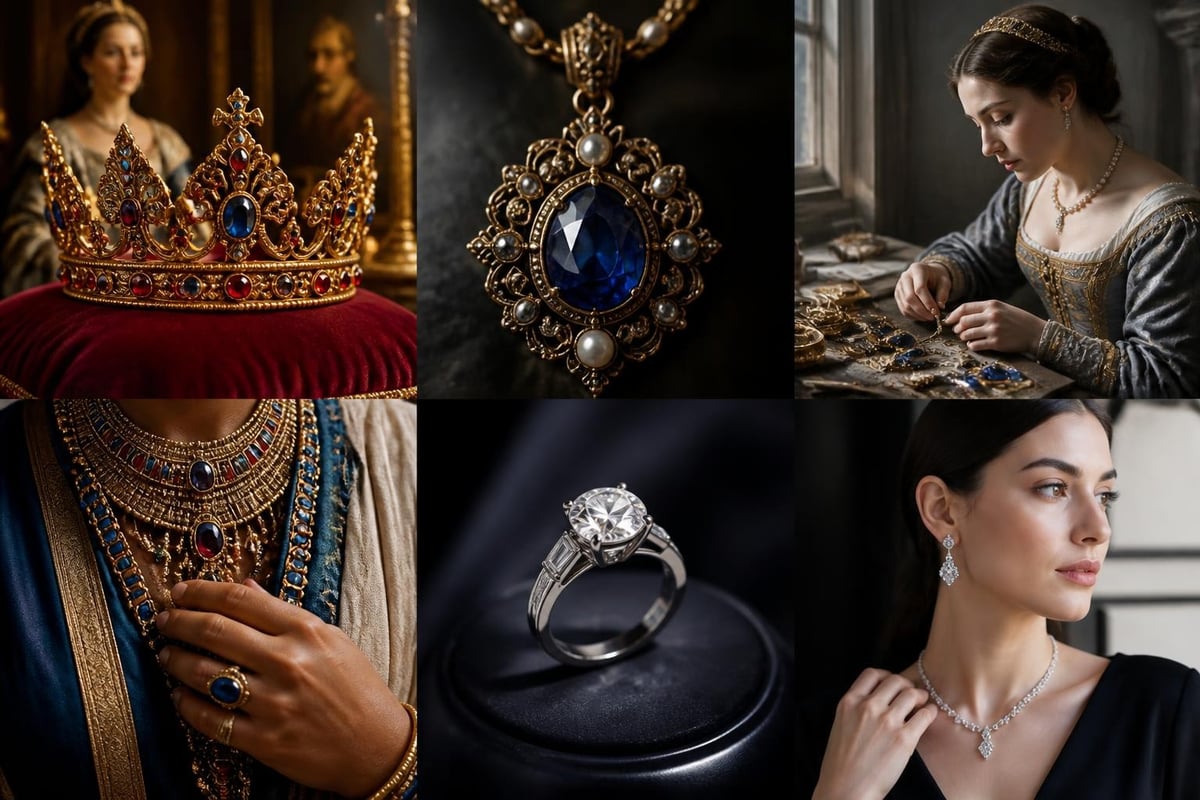
Throughout human history, a precious stone has symbolized wealth, power, and spiritual significance across diverse cultures. Ancient civilizations attributed healing properties and mystical powers to specific gemstones, beliefs that continue influencing contemporary appreciation.
Gemstones in Ancient Civilizations
Egyptian pharaohs adorned themselves with lapis lazuli, believing it connected them to the divine. The composition and historical significance of lapis lazuli demonstrates how this deep blue stone containing lazurite, calcite, and pyrite commanded reverence across ancient Mediterranean and Near Eastern cultures.
Roman emperors favored emeralds for their supposed ability to soothe eyes and reveal truth. Medieval European royalty incorporated rubies into crowns, associating their red brilliance with courage and passion. These historical associations continue influencing modern preferences and ceremonial uses.
Symbolic Meanings in Modern Context
Contemporary jewelry selection often incorporates traditional symbolism:
- Diamonds: Eternal love, commitment, and strength
- Rubies: Passion, vitality, and courage
- Sapphires: Wisdom, loyalty, and nobility
- Emeralds: Growth, renewal, and prosperity
Birthstone traditions assign specific gems to birth months, creating personalized significance beyond aesthetic appeal. These cultural frameworks enhance emotional connection to fine jewelry pieces, transforming them from mere adornment into meaningful heirlooms.
Ethical Sourcing and Sustainability
The fine jewelry industry faces increasing scrutiny regarding environmental impact and labor practices associated with gemstone mining. Discerning consumers in 2026 prioritize transparency and ethical sourcing when acquiring a precious stone for their collections.
Certification and Traceability
Responsible dealers provide comprehensive documentation tracing each stone's journey from mine to market. The Kimberley Process addresses conflict diamonds, while additional certifications verify fair labor practices and environmental stewardship. Transparency in sourcing has evolved from optional to essential for reputable jewelry houses.
Blockchain technology increasingly tracks gemstone provenance, creating immutable records that authenticate origin claims and ethical compliance. This technological advancement addresses historical challenges in verifying supply chain integrity.
Laboratory-Grown Alternatives
Technological advances have produced laboratory-created stones with identical chemical and physical properties to natural gemstones. These alternatives offer several advantages:
- Guaranteed ethical sourcing without mining environmental impact
- Typically 30-40% lower cost than comparable natural stones
- Identical beauty and durability to earth-formed counterparts
- Predictable availability in desired sizes and qualities
However, natural stones retain market premium due to their geological rarity and historical prestige. The choice between natural and laboratory-grown reflects personal values regarding tradition, investment potential, and environmental considerations.
Selecting the Perfect Precious Stone
Choosing a precious stone for a significant jewelry piece requires balancing aesthetic preferences, practical considerations, and budgetary parameters. Successful selection begins with education and progresses through careful evaluation with trusted experts.
Working with Specialized Jewelers
Established jewelry houses offer expertise that online vendors cannot match. Specialists provide:
- In-person examination: Viewing stones under various lighting conditions reveals true color and brilliance
- Comparative analysis: Side-by-side evaluation highlights quality differences
- Customization options: Setting designs that complement specific stone characteristics
- Ongoing relationship: Future services including maintenance, upgrades, and additional acquisitions
Questions to Ask Before Purchase
Essential inquiries include:
- What treatments, if any, has this stone received?
- Can you provide independent laboratory certification?
- What is the stone's specific origin?
- What setting style best showcases this particular stone?
- What care requirements does this gemstone demand?
- What is your upgrade or trade-in policy?
Understanding the comprehensive science of gems empowers informed questioning that elicits meaningful information from dealers. Knowledgeable clients receive superior service and access to exceptional inventory.
The Future of Precious Stones in Fine Jewelry
As we progress through 2026, the precious stone market continues evolving in response to technological innovation, changing consumer values, and global economic dynamics. Several trends are reshaping how collectors and enthusiasts approach gemstone acquisition.
Technological Innovation in Treatment and Enhancement
Advanced treatment methods enhance color and clarity in stones that would otherwise enter lower market tiers. While controversial among purists, documented treatments make exceptional appearance accessible at moderate price points. Full disclosure remains paramount, with reputable dealers clearly identifying any enhancements.
Non-invasive treatments like heat and irradiation have gained acceptance when properly disclosed. However, undisclosed treatments constitute fraud, undermining market integrity and consumer confidence.
Emerging Market Preferences
Younger collectors demonstrate distinct preferences compared to previous generations:
- Greater interest in colored gemstones versus traditional diamonds
- Emphasis on unique character over flawless perfection
- Prioritization of ethical sourcing and sustainability
- Appreciation for historical pieces and antique cuts
- Desire for customization and personal storytelling
These shifting preferences create opportunities for collectors who appreciate exceptional colored stones and vintage pieces that may have been undervalued in previous decades.
Investment Outlook
Economic uncertainty traditionally drives precious stone appreciation as investors seek tangible assets. Quality gemstones offer several investment advantages:
- Portability: Significant value in minimal space
- Durability: Properly maintained stones retain beauty indefinitely
- Privacy: Physical assets outside traditional financial systems
- Emotional value: Beauty provides enjoyment beyond financial returns
However, liquidity challenges and authentication requirements make gemstones suitable primarily for long-term holding rather than short-term speculation.
Understanding the geological origins, quality factors, and market dynamics of precious stones transforms casual interest into informed appreciation. Whether building a personal collection or selecting a significant piece for a milestone occasion, knowledge empowers confident decisions that yield lasting satisfaction. La Maison Val D'or combines centuries of gemological expertise with curated access to exceptional specimens, guiding clients through every aspect of selection, customization, and care. Explore our distinguished collections to discover how timeless elegance and uncompromising quality create jewelry treasures worthy of your most important moments.