
When selecting a diamond ring, understanding carat weight remains one of the most critical factors in making an informed purchase. The term "diamond ring ct" refers to the carat weight of the diamond in a ring, a measurement that significantly influences both the appearance and value of the piece. For discerning collectors and those seeking timeless elegance, comprehending how carat weight interacts with other quality factors ensures a selection that balances beauty, investment value, and personal preference. This comprehensive guide explores everything you need to know about diamond ring ct to make educated decisions when acquiring fine jewelry.
Understanding Diamond Ring CT Fundamentals
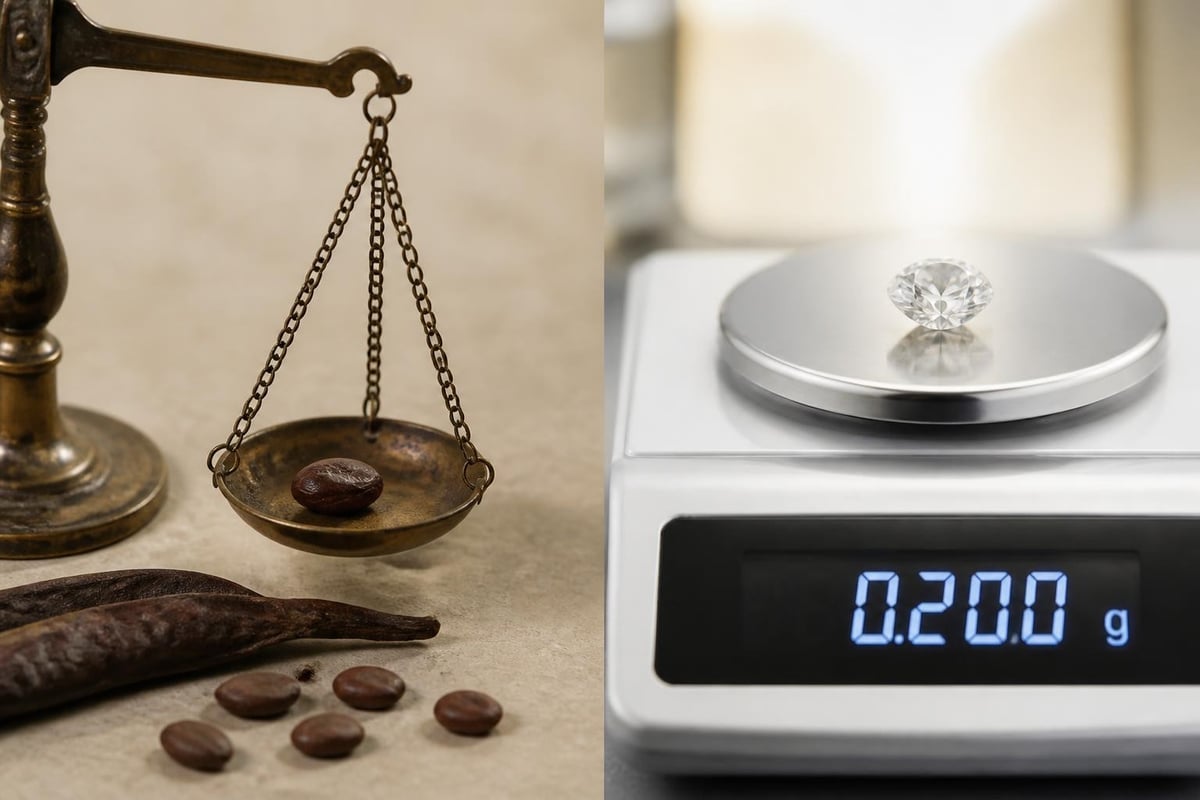
The abbreviation "ct" stands for carat, the standard unit of measurement for diamond weight. One carat equals precisely 200 milligrams or 0.2 grams. This standardized measurement system allows buyers and sellers worldwide to communicate about diamond size with absolute clarity.
Diamond ring ct encompasses more than simple weight measurement. It represents a complex relationship between physical mass, visual appearance, and market value. While two diamonds may share identical carat weights, they can appear dramatically different in size depending on their cut proportions and shape.
The History and Standardization of Carat Measurement
The carat measurement system originated from carob seeds, which ancient traders used as counterweights due to their remarkably uniform weight. Modern gemological institutes established the metric carat in the early twentieth century, creating the precise 200-milligram standard we use today.
This standardization revolutionized the diamond trade by eliminating regional variations and enabling consistent global commerce. When you examine a diamond ring ct specification at La Maison Val D'or, you can trust that measurement adheres to internationally recognized standards verified by leading gemological laboratories.
How Carat Weight Affects Diamond Ring Value
Carat weight serves as one of the primary price determinants in diamond valuation, but the relationship between weight and cost is not linear. Diamond prices increase exponentially as carat weight rises, with significant price jumps occurring at popular weight thresholds.
Price Per Carat Progression
| Carat Weight | Approximate Price Multiplier | Common Market Positioning |
|---|---|---|
| 0.50 ct | Baseline | Entry luxury segment |
| 0.75 ct | 1.8-2.2x | Popular engagement choice |
| 1.00 ct | 2.5-3.5x | Premium threshold |
| 1.50 ct | 4.0-5.5x | Luxury statement piece |
| 2.00 ct | 6.5-8.5x | Investment-grade jewelry |
These multipliers vary based on the diamond's cut quality, color grade, and clarity characteristics. A one-carat diamond doesn't simply cost twice as much as a half-carat stone; it typically costs three to four times more due to the exponential pricing structure and the rarity of larger rough diamonds.
The diamond ring ct measurement becomes particularly significant at popular weight categories. Diamonds weighing just below these thresholds (0.90 ct instead of 1.00 ct, for example) often offer substantial savings while appearing virtually identical to the naked eye. Understanding diamond carat weight and why it matters enables strategic purchasing decisions that maximize both beauty and value.
Carat Weight Versus Visual Size
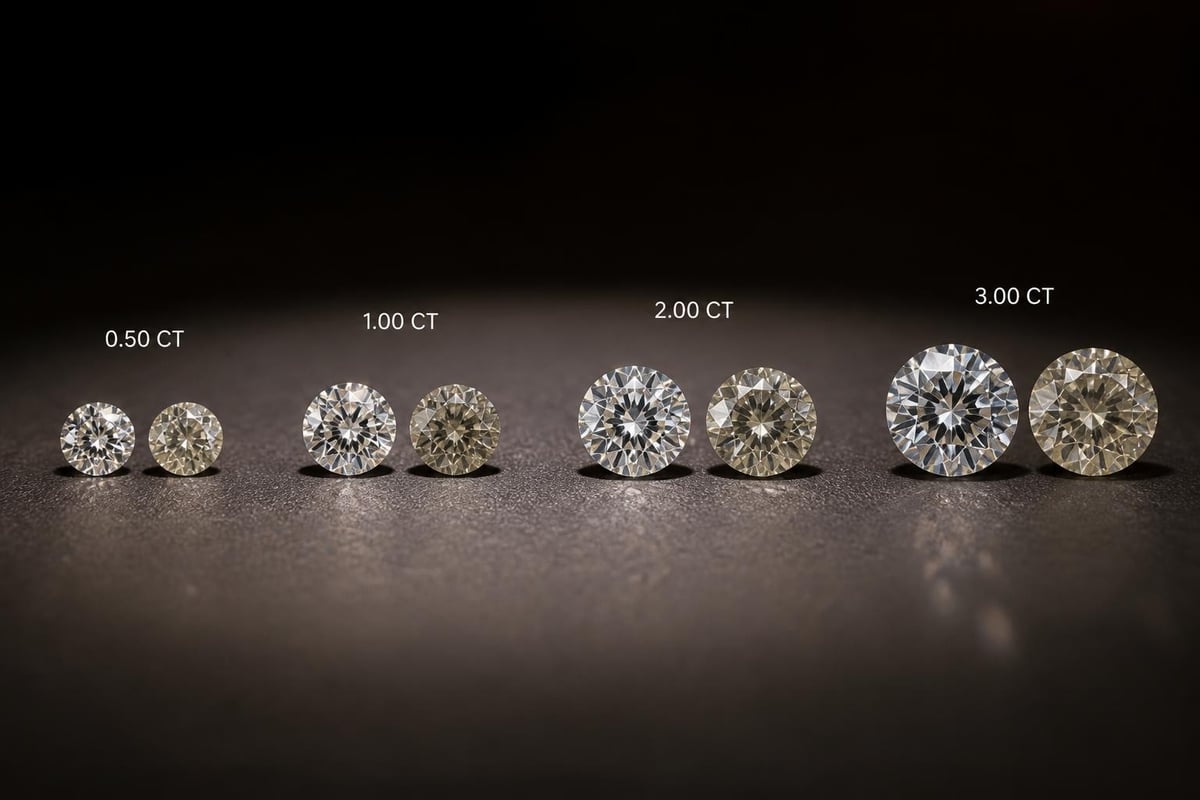
A common misconception among jewelry buyers involves equating carat weight directly with visual size. While these factors correlate, they don't share a one-to-one relationship. The diamond's cut quality, depth percentage, and shape dramatically influence how large a stone appears when viewed from above.
Cut Quality Impact on Appearance
Well-cut diamonds maximize their face-up appearance, distributing weight efficiently to create optimal visual impact. Poorly cut diamonds may hide weight in the depth, resulting in a smaller-looking stone despite higher carat weight.
Three key factors affect visual size:
- Table percentage: The diameter of the diamond's top facet relative to its total width
- Depth percentage: The height of the diamond from table to culet relative to its width
- Crown and pavilion angles: The precise geometry that determines light reflection and visual spread
A well-proportioned 0.90 ct diamond can appear larger than a poorly cut 1.00 ct stone. This reality underscores why focusing solely on diamond ring ct without considering cut quality often leads to suboptimal selections. The comprehensive carat weight guide provides visual comparisons demonstrating these differences across various diamond shapes.
Diamond Shape and Carat Weight Considerations
Different diamond shapes distribute weight uniquely, affecting both the visual appearance and the effective use of carat weight. Understanding these distinctions helps optimize your diamond ring ct selection based on personal aesthetic preferences.
Shape-Specific Weight Distribution
Round brilliant diamonds, the most popular choice, typically show their weight efficiently due to their optimized proportions. Fancy shapes like oval, marquise, and pear distribute weight differently, often appearing larger per carat than round diamonds.
Visual size comparison at 1.00 ct:
- Round brilliant: 6.5mm diameter
- Oval: 7.7mm x 5.7mm
- Marquise: 10.0mm x 5.0mm
- Princess: 5.5mm x 5.5mm
- Emerald: 7.0mm x 5.0mm
- Pear: 8.5mm x 5.5mm
Elongated shapes like oval, marquise, and pear create the impression of larger size while potentially offering better value per carat than round brilliants. This makes them attractive options for those seeking maximum visual impact within a specific budget range.
The choice between shapes involves balancing personal style preferences with practical considerations of diamond ring ct efficiency. Those exploring engagement ring settings will find that certain styles complement specific shapes and carat weights more effectively than others.
Selecting the Right Diamond Ring CT for Your Needs
Choosing the appropriate carat weight involves balancing multiple factors including budget, hand size, lifestyle considerations, and personal aesthetic preferences. No single "correct" carat weight exists; the ideal choice varies based on individual circumstances.
Budget Optimization Strategies
Smart purchasing approaches include:
- Consider weights slightly below popular thresholds (0.90 ct, 1.40 ct, 1.90 ct) for significant savings
- Prioritize cut quality over carat weight to maximize visual impact
- Evaluate the total look including setting style and metal choice
- Understand certification standards from reputable laboratories
- Balance the four Cs rather than focusing exclusively on carat
Many buyers allocate 40-50% of their budget to carat weight while distributing the remainder among cut, color, and clarity. This balanced approach typically yields the most visually stunning result, as all aspects of carat weight work together to create the diamond's overall appearance.
Lifestyle and Practical Considerations
Hand size and personal style significantly influence which diamond ring ct works best. Smaller hands may find that 0.75-1.25 ct diamonds appear perfectly proportioned, while those with larger hands might prefer 1.50 ct and above for balanced aesthetics.
Active lifestyles warrant consideration of durability and practicality. Larger diamonds require more substantial settings to ensure security, and extremely high carat weights may prove impractical for daily wear in certain professions. The balance between elegance and wearability remains essential for pieces intended as everyday jewelry.
Carat Weight in Different Ring Styles
The setting style you choose profoundly impacts how the diamond ring ct appears and functions within the overall design. Different settings either emphasize or minimize the center stone's carat weight through various optical and structural techniques.
Setting Styles and Carat Perception
| Setting Type | Effect on Perceived Size | Best Carat Ranges | Design Characteristics |
|---|---|---|---|
| Solitaire | True to actual size | All ranges | Classic, timeless emphasis |
| Halo | Increases apparent size | 0.50-1.50 ct | Surrounding accent diamonds |
| Three-stone | Balanced presentation | 0.75-2.00 ct | Flanking side stones |
| Pavé band | Enhanced brilliance | 0.50-2.00 ct | Diamond-set shank |
| Bezel | Appears slightly larger | 0.75-2.50 ct | Modern, protective frame |
Halo settings surround the center diamond with smaller accent stones, creating the illusion of greater carat weight. A 0.75 ct center stone in a well-designed halo can appear similar to a 1.25 ct solitaire, offering aesthetic impact at a more accessible price point.
Solitaire settings showcase the diamond without embellishment, making them ideal for those who prioritize the center stone's true characteristics. These classic designs work beautifully across all diamond ring ct ranges and remain perpetually stylish.
Understanding how lab-grown diamonds versus natural diamonds perform in various settings helps buyers make informed decisions about both stone selection and mounting style preferences.
Certification and Accurate Carat Weight Documentation
Reputable gemological laboratories provide precise diamond ring ct measurements as part of comprehensive grading reports. These certifications ensure accuracy and provide essential documentation for insurance and resale purposes.
Leading Certification Bodies
Primary gemological institutes include:
- Gemological Institute of America (GIA)
- International Gemological Institute (IGI)
- American Gem Society (AGS)
- European Gemological Laboratory (EGL)
The GIA certification process represents the industry gold standard, providing unbiased assessments of carat weight alongside cut, color, and clarity grades. Certificates specify the exact carat weight to two decimal places, ensuring precision in documentation and valuation.
For those considering lab-grown options, understanding IGI certification for lab-grown diamonds provides insight into how these stones are evaluated using identical carat weight standards as natural diamonds.
Verification and Documentation Best Practices
Always request certification from recognized laboratories when purchasing significant diamond ring ct pieces. Independent verification protects your investment and ensures the stone's specifications match the seller's representations. Reputable jewelers provide these certificates as standard practice, demonstrating transparency and quality assurance.
Certificates should include detailed measurements, weight specifications, and comprehensive quality assessments. This documentation proves invaluable for insurance coverage, potential resale, and personal records of your fine jewelry collection.
Carat Weight Trends in Contemporary Fine Jewelry
Market preferences for diamond ring ct have evolved significantly over recent decades, influenced by changing aesthetics, economic factors, and shifting cultural values. Understanding these trends provides context for making selections that align with both personal taste and long-term value retention.
Current Market Preferences
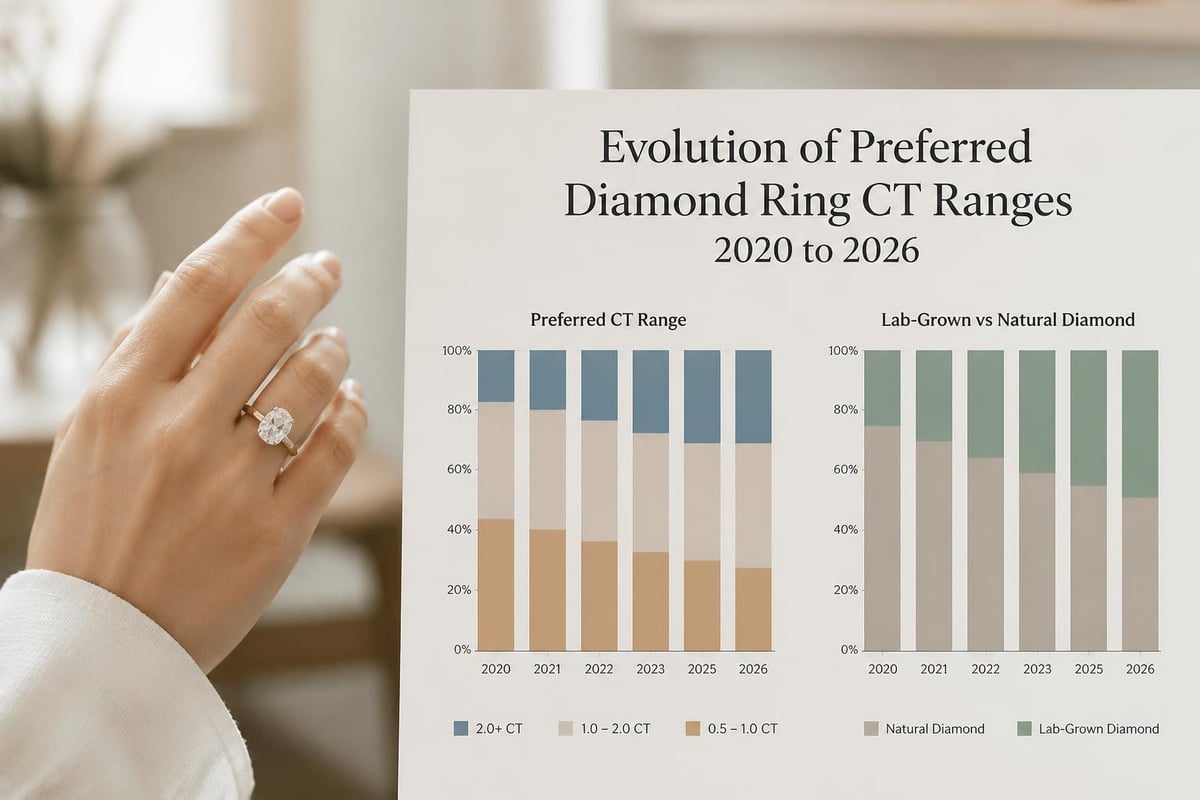
Recent data indicates a growing preference for diamonds in the 0.75-1.50 ct range for engagement rings, representing a sweet spot between visual impact and accessibility. This range offers substantial presence without the exponential price increases associated with larger stones.
Popular carat weight categories in 2026:
- 0.50-0.75 ct: Growing segment for modern minimalist styles
- 0.90-1.10 ct: Most popular engagement ring range
- 1.50-2.00 ct: Luxury statement pieces
- 2.00+ ct: Investment-grade collector items
The trend toward ethical sourcing and sustainability has increased interest in lab-grown diamonds, which offer identical physical properties and diamond ring ct measurements at significantly lower price points. This accessibility enables buyers to select higher carat weights within equivalent budgets compared to natural diamonds.
Maximizing Value Across the Four Cs
While carat weight significantly impacts diamond pricing, the interplay among all four Cs (cut, color, clarity, and carat) determines the overall value and beauty of your diamond ring ct selection. Strategic optimization across these factors yields superior results compared to focusing exclusively on size.
Balanced Selection Strategies
Priority allocation for optimal results:
- Cut quality: 35-40% of consideration (most impactful on beauty)
- Carat weight: 25-30% of consideration (size and presence)
- Color grade: 20-25% of consideration (visual warmth or coolness)
- Clarity grade: 10-15% of consideration (eye-clean threshold)
Exceptional cut quality enhances a diamond's brilliance, fire, and scintillation, making it appear more vibrant and potentially larger than its actual carat weight suggests. The relationship between carat weight and diamond size demonstrates how cut proportions maximize or minimize visual impact.
For color, grades in the G-I range offer excellent value, appearing colorless or near-colorless when mounted, especially in white gold or platinum settings. Similarly, clarity grades of VS2 or SI1 typically provide eye-clean diamonds at more accessible price points than flawless grades.
Strategic Trade-offs
Understanding which compromises yield minimal visual impact while providing substantial cost savings represents sophisticated diamond ring ct purchasing. A 0.95 ct G VS2 excellent-cut diamond often appears indistinguishable from a 1.00 ct F VVS1 good-cut stone while costing significantly less.
These strategic selections require knowledge, patience, and often the guidance of experienced jewelers who prioritize client satisfaction over maximum transaction value. Working with specialists who understand nuanced trade-offs ensures selections that deliver exceptional beauty and lasting value.
Investment Considerations for Diamond Ring CT
For those viewing diamond jewelry as both adornment and investment, diamond ring ct selection takes on additional dimensions beyond immediate aesthetic appeal. Certain characteristics and weight categories demonstrate stronger value retention and appreciation potential over time.
Investment-Grade Characteristics
Factors supporting long-term value:
- Certification from GIA or AGS
- Excellent or ideal cut grades
- Higher carat weights (1.50 ct and above)
- Rare color grades (D-F) or fancy colors
- High clarity (VVS1-VVS2 or better)
- Classic shapes (round brilliant, emerald, asscher)
Diamonds meeting these criteria typically maintain value more consistently through market fluctuations and demonstrate greater liquidity if resale becomes necessary. However, even investment-grade pieces should primarily be selected for personal enjoyment, with value retention as a secondary consideration.
The buyer's guide to diamond carat provides additional perspective on selecting stones that balance aesthetic appeal with investment potential, helping buyers make informed decisions aligned with their priorities.
Market Liquidity and Resale Considerations
Certain diamond ring ct ranges demonstrate stronger secondary market demand. One-carat and two-carat diamonds, particularly those with GIA certification and excellent specifications, typically resell more readily than unusual weights or lower-quality stones.
Understanding these dynamics proves valuable for those building jewelry collections or making significant purchases. While diamonds should never be considered liquid assets comparable to stocks or bonds, quality pieces from respected jewelers do maintain meaningful value over time.
Caring for Your Diamond Ring Investment
Proper maintenance ensures your diamond ring ct piece retains its brilliance and structural integrity throughout years of wear. Regular care, professional inspections, and appropriate storage protect both the diamond and its setting from damage or loss.
Essential Maintenance Practices
Recommended care routine:
- Clean weekly using warm water and mild soap
- Professional inspection every six months
- Professional cleaning annually
- Immediate repair of loose settings or damaged prongs
- Removal during activities with impact risk
Regular cleaning maintains the diamond's brilliance, as everyday substances like lotions, oils, and cosmetics can create film buildup that diminishes sparkle. Professional inspections identify potential issues before they result in stone loss or significant damage.
Insurance coverage specifically itemizing your diamond ring ct piece provides essential financial protection. Detailed appraisals from qualified gemologists establish replacement value and facilitate claims processing should loss or damage occur.
Storage and Protection
When not wearing your diamond ring, store it separately from other jewelry to prevent scratching and damage. Individual cloth pouches or compartmentalized jewelry boxes offer ideal protection. This practice proves particularly important for pieces featuring higher diamond ring ct weights, which represent more substantial investments requiring corresponding care.
Understanding diamond ring ct encompasses far more than memorizing a simple weight measurement. It requires appreciating the complex interplay among carat weight, cut quality, visual appearance, and personal preferences that together determine the perfect selection for your needs. Whether you're seeking a timeless engagement ring, an anniversary piece, or an investment-grade addition to your collection, knowledge of how carat weight functions within the broader context of diamond quality empowers confident decision-making. At La Maison Val D'or, our curated collections of fine jewelry feature exceptional diamonds across all carat ranges, each selected for quality and timeless elegance, ensuring your investment brings lasting beauty and satisfaction for generations to come.