
When considering investment in fine jewelry, understanding what qualifies as a precious gemstone becomes essential knowledge for discerning collectors. The distinction between precious and semi-precious stones has evolved over centuries, shaped by rarity, durability, and cultural significance. Today's market reflects both traditional classifications and modern appreciation for exceptional quality across all gemstone categories, making informed selection more crucial than ever for those seeking timeless elegance.
Defining A Precious Gemstone in Modern Gemology
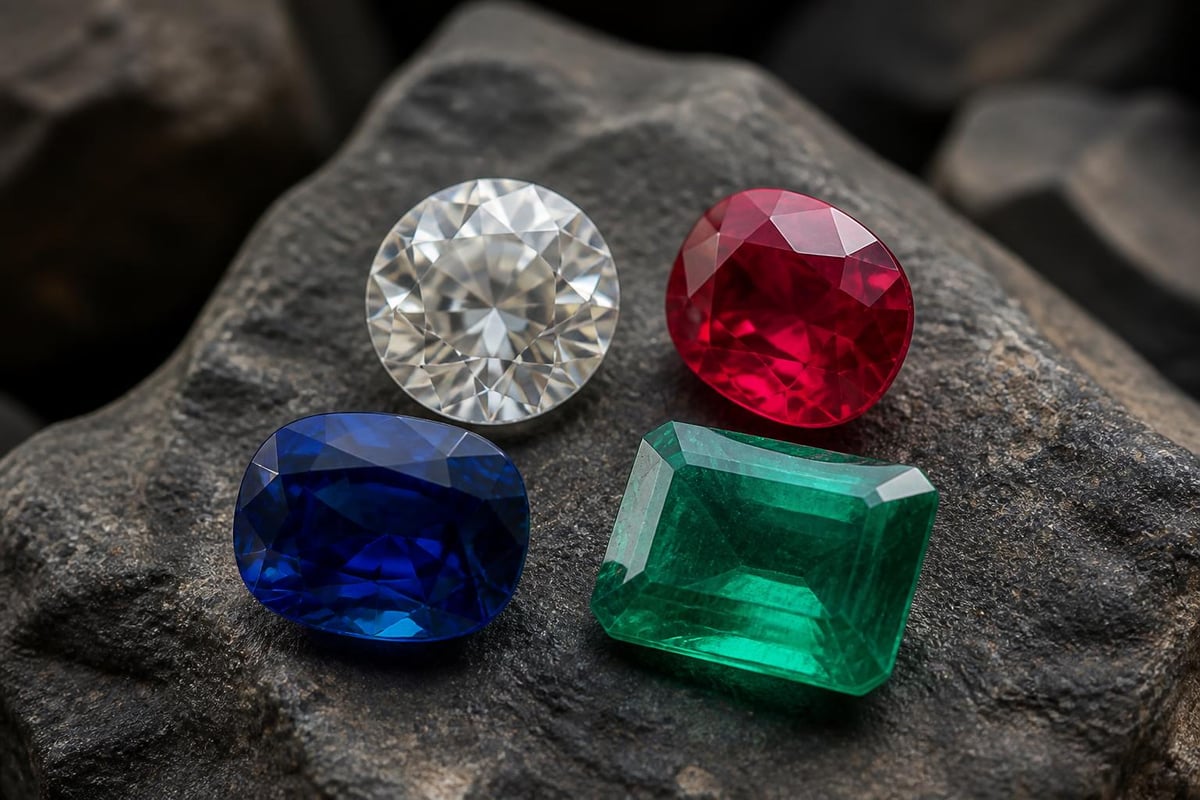
The term "precious gemstone" historically referred to just four varieties: diamond, ruby, sapphire, and emerald. These stones earned their prestigious classification through exceptional hardness, rarity, and enduring beauty. Gemstones have been valued throughout human history for their aesthetic appeal and symbolic meanings, with precious varieties commanding the highest regard across cultures and centuries.
Modern gemology has refined these classifications based on scientific understanding. A precious gemstone must exhibit superior qualities across multiple criteria:
- Hardness rating of 8 or higher on the Mohs scale
- Optical properties including brilliance, fire, and clarity
- Natural rarity in formation and occurrence
- Chemical stability ensuring long-term durability
- Color saturation that remains vibrant over time
Scientific Formation Processes
The formation of a precious gemstone occurs deep within Earth's crust under specific geological conditions. Understanding mineral and gem formation reveals why these stones are so rare and valuable. Extreme pressure, precise temperature ranges, and unique chemical compositions must align perfectly over millions of years.
Diamonds form at depths exceeding 90 miles beneath Earth's surface, where carbon crystallizes under immense pressure. Corundum varieties (ruby and sapphire) develop in metamorphic rocks, with trace elements creating their distinctive colors. Emeralds require the unlikely combination of beryllium, chromium, and vanadium in the same geological environment.
Quality Assessment and Grading Standards
Evaluating a precious gemstone requires expertise across multiple dimensions. Professional gemologists use standardized criteria to assess value and authenticity, ensuring collectors invest in genuine quality.
The Four C's and Beyond
| Quality Factor | Impact on Value | Assessment Method |
|---|---|---|
| Color | 40-50% of value | Hue, tone, and saturation analysis |
| Clarity | 20-30% of value | Inclusion mapping and grading |
| Cut | 20-25% of value | Proportions, symmetry, polish |
| Carat Weight | 10-15% of value | Precise measurement |
Color represents the most influential factor for colored precious stones. A precious gemstone with vivid, pure color commands significantly higher prices than pale or muddy alternatives. The Gemological Institute of America (GIA) uses precise color grading systems, evaluating hue (the basic color), tone (lightness or darkness), and saturation (color intensity).
Clarity assessment examines internal characteristics called inclusions and external features called blemishes. While flawless stones are exceptionally rare, the visibility and impact of inclusions vary dramatically. Some inclusions actually verify natural origin, distinguishing earth-formed gems from laboratory-created alternatives.
Cut Precision and Light Performance
Expert cutting transforms rough material into a precious gemstone that maximizes beauty and value. The cut determines how light interacts with the stone, creating brilliance, fire, and scintillation. Master cutters study each crystal's unique characteristics, planning cuts that preserve weight while optimizing visual impact.
Different gemstone types require specific cutting approaches:
- Diamonds use brilliant cuts with precisely calculated facet angles for maximum light return
- Rubies and sapphires often receive oval or cushion cuts to enhance color depth
- Emeralds traditionally use the step-cut emerald shape to minimize stress on included crystals
- Fancy shapes like pear, marquise, or heart cuts showcase exceptional rough material
Historical Significance and Geographic Origins
The history of precious gemstone mining spans millennia, with legendary sources shaping global trade routes and cultural traditions. Ancient civilizations prized these stones not only for adornment but also for perceived mystical properties and status symbols.
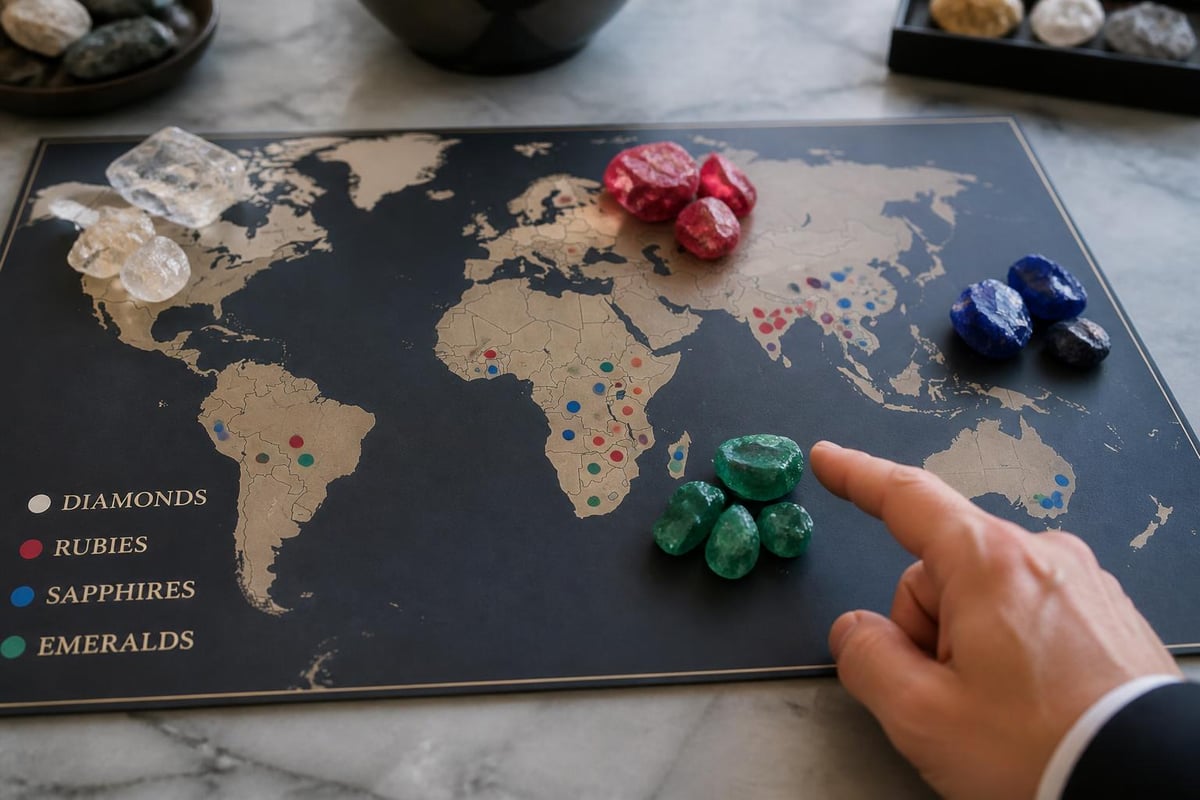
The Kashmir sapphires discovered in 1881 set standards for the finest blue color. Myanmar (Burma) rubies from the Mogok Valley represent the pinnacle of red gemstones, prized for their "pigeon's blood" color. Colombian emeralds from Muzo and Chivor mines exhibit unmatched green saturation.
Modern Source Locations
Geographic origin significantly impacts the value of a precious gemstone. Certain locations produce material with distinctive characteristics that connoisseurs recognize and value:
Premium Diamond Sources:
- Botswana: large, high-quality crystals
- Russia: exceptional colorless material
- Canada: ethically sourced northern diamonds
Ruby Hotspots:
- Myanmar: finest pigeon's blood red
- Mozambique: vibrant, slightly purplish reds
- Madagascar: emerging source of quality material
Sapphire Regions:
- Kashmir: legendary velvety blue (historic)
- Sri Lanka: cornflower blue and fancy colors
- Montana: unique teal and blue-green varieties
Emerald Territories:
- Colombia: supreme green with slight bluish tone
- Zambia: deeper green with bluish secondary hue
- Brazil: lighter, yellowish-green crystals
Treatment and Enhancement Considerations
Understanding treatments applied to a precious gemstone ensures transparent purchasing decisions. The gemstone industry employs various enhancement methods, with disclosure requirements varying by technique and permanence.
Accepted Standard Treatments
Heat treatment represents the most common and accepted enhancement for colored stones. Nearly all rubies and sapphires undergo controlled heating to improve color and clarity. This permanent, stable treatment has been used for centuries and is considered standard practice.
Emeralds routinely receive clarity enhancement through cedar oil or resin filling. This treatment improves transparency by filling surface-reaching fractures, though it requires periodic maintenance. Quality emerald pieces from La Maison Val D'or's collections include full disclosure of any treatments applied.
Treatments Requiring Disclosure
| Treatment Type | Permanence | Value Impact | Common Application |
|---|---|---|---|
| Heat Treatment | Permanent | Minimal if disclosed | Ruby, sapphire |
| Oil/Resin Filling | Temporary | Moderate reduction | Emerald |
| Lattice Diffusion | Permanent | Significant reduction | Sapphire color |
| Fracture Filling | Temporary | Major reduction | Diamond clarity |
| Irradiation | Permanent | Varies by stone | Diamond, topaz color |
Untreated stones of exceptional quality command premium prices. A precious gemstone with natural, unenhanced color and clarity represents the ultimate achievement in nature's artistry, justifying substantially higher investment.
Investment Value and Market Trends
The precious gemstone market demonstrates remarkable resilience and growth potential. Unlike fashion-driven jewelry trends, these stones maintain inherent value through economic cycles, serving dual purposes as personal adornment and tangible assets.
Price Appreciation Factors
Rarity drives long-term value appreciation. As premier mining locations deplete and new discoveries become scarcer, existing high-quality stones increase in value. The finest Kashmir sapphires now command prices exceeding $250,000 per carat at auction, reflecting absolute scarcity.
Size significantly impacts per-carat pricing. A precious gemstone doubles or triples in per-carat value as weight increases, due to exponential rarity. A 5-carat ruby of equivalent quality costs substantially more per carat than a 1-carat stone from the same source.
Color purity creates premium categories within each gemstone type:
- Pigeon's blood rubies from Myanmar
- Cornflower blue Kashmir sapphires
- Vivid green Colombian emeralds
- D-color, internally flawless diamonds
Ethical Sourcing and Sustainability
Modern consumers increasingly prioritize ethical gemstone sourcing when selecting precious jewelry. Responsible mining practices, fair labor conditions, and environmental stewardship now influence purchasing decisions alongside traditional quality factors.
Traceability and Certification
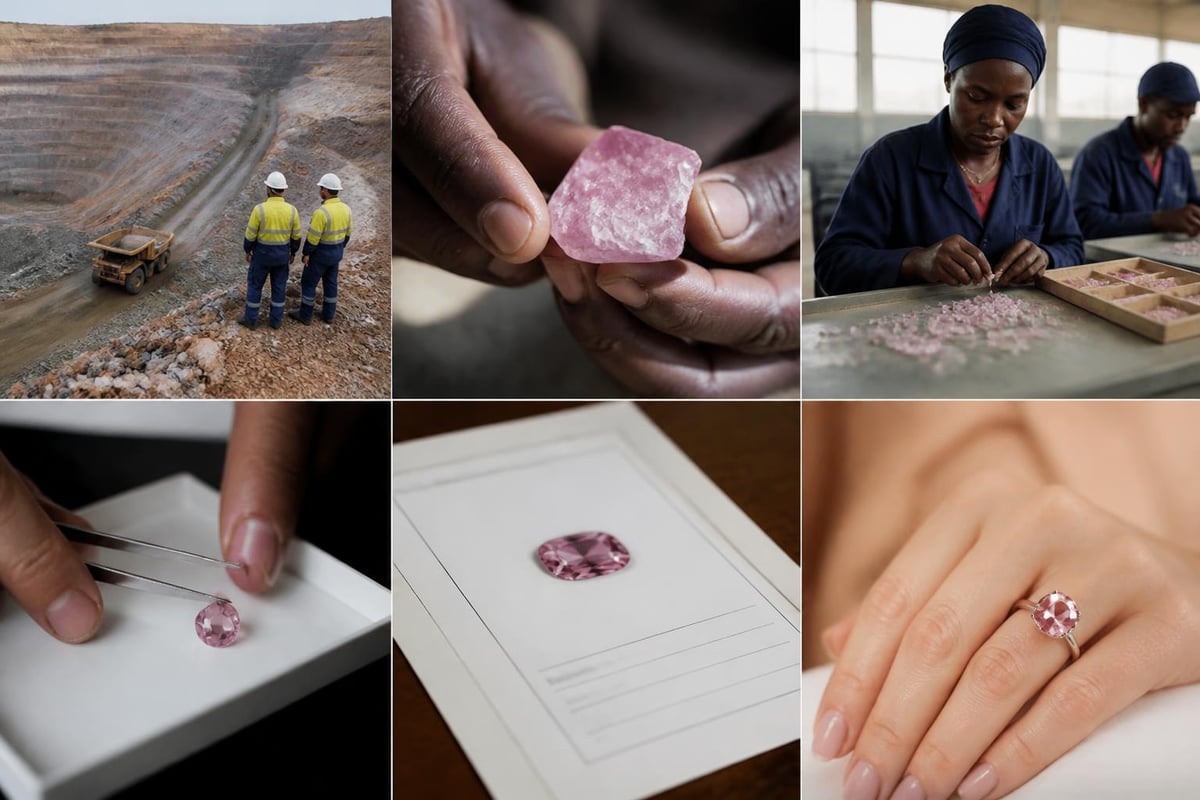
Blockchain technology and advanced documentation systems now track a precious gemstone from mine to market. These systems verify origin, document the chain of custody, and confirm ethical practices throughout the supply chain.
Certification bodies provide independent verification:
- Kimberley Process Certification prevents conflict diamond trade
- Responsible Jewellery Council audits mining and manufacturing practices
- Gemological institute reports document natural origin and treatment disclosure
- Mine-specific certification guarantees source and practices
Selecting Your Perfect Precious Gemstone
Choosing a precious gemstone for fine jewelry requires balancing personal preferences with objective quality factors. The selection process involves understanding both technical specifications and emotional resonance with the piece.
Personal Style Alignment
Consider how the stone will complement your lifestyle and existing collection. Diamonds offer versatility for daily wear with superior hardness. Colored precious stones make distinctive statements, with ruby, sapphire, and emerald each conveying different aesthetics.
Wardrobe coordination: Blue sapphires complement cool-toned wardrobes, while rubies enhance warm color palettes. Emeralds provide versatile elegance across seasonal transitions.
Occasion versatility: A precious gemstone in a classic setting transitions from professional environments to evening events. Consider whether you need an everyday piece or special occasion jewelry.
Setting style: The metal choice and design significantly impact the stone's appearance. Platinum and white gold enhance diamonds and blue sapphires, while yellow gold complements rubies and warm-toned diamonds.
Size and Proportion Guidelines
Proper scale ensures comfortable wear and attractive presentation. Ring sizes should balance stone dimensions with finger width, while pendant sizes coordinate with neckline styles and chain length.
For rings, consider these proportions:
- Small to medium hands: 0.50-2.00 carat center stones
- Medium to large hands: 1.00-3.00+ carat center stones
- Delicate settings: smaller accent stones in halos or side arrangements
- Bold statements: larger center stones with minimal surrounding detail
Caring for Precious Gemstones
Proper maintenance preserves the beauty and value of a precious gemstone throughout generations. Each stone type requires specific care protocols based on hardness, chemical composition, and common treatments.
Daily Wear Precautions
Remove precious gemstone jewelry during physical activities, household cleaning, or chemical exposure. Even diamonds can chip if struck at specific angles, while softer stones like emeralds require extra caution.
Safe activities while wearing:
- Professional office environments
- Social gatherings and dining
- Indoor events without physical labor
Remove jewelry before:
- Exercising or sports activities
- Swimming (chlorine affects some stones)
- Applying cosmetics, perfumes, or hairspray
- Household cleaning with chemical products
- Gardening or outdoor work
Professional Maintenance Schedule
Annual professional inspection identifies loose settings, wear patterns, or damage requiring attention. Jewelers examine prongs, check stone security, and clean pieces using ultrasonic or steam methods appropriate for each gemstone type.
| Maintenance Task | Frequency | Performed By | Purpose |
|---|---|---|---|
| Professional cleaning | Every 6 months | Certified jeweler | Remove buildup, inspect setting |
| Prong inspection | Annually | Certified jeweler | Prevent stone loss |
| Re-oiling (emeralds) | Every 1-2 years | Gemologist | Maintain clarity enhancement |
| Insurance appraisal | Every 3-5 years | Certified appraiser | Update replacement value |
Authentication and Documentation
Proper documentation protects your investment in a precious gemstone and facilitates insurance coverage, resale, or estate planning. Comprehensive certification from recognized gemological laboratories provides objective quality verification.
Essential Certification Components
Gemological reports from the GIA, American Gem Society (AGS), or other respected laboratories detail all relevant characteristics. These documents describe the stone's measurements, weight, color grade, clarity assessment, cut quality, and any treatments detected.
Advanced gemstone classification technologies now assist gemologists in identification and grading, improving accuracy and consistency across the industry. These systems complement traditional examination methods with data-driven analysis.
For buyers seeking confidence in their purchases, La Maison Val D'or provides comprehensive documentation for all precious gemstone pieces, ensuring complete transparency and authentication.
Maintaining Provenance Records
Create a comprehensive file including purchase receipts, certificates, appraisals, and photographs. This documentation establishes ownership, tracks value appreciation, and simplifies insurance claims if necessary.
Store documents separately from the jewelry itself, preferably in a safe deposit box or fireproof home safe. Digital copies provide additional backup, though original certificates carry greater authority for authentication purposes.
Contemporary Design Applications
Modern jewelry design showcases a precious gemstone in innovative settings that honor traditional craftsmanship while embracing contemporary aesthetics. Today's collectors appreciate both classic solitaires and artistic interpretations that highlight each stone's unique characteristics.
Classic Versus Modern Settings
Traditional settings emphasize the gemstone through simple, elegant frameworks. Solitaire rings, three-stone designs, and halo settings have endured for generations because they maximize light performance and showcase stone quality without distraction.
Contemporary designs experiment with asymmetry, mixed metals, and architectural elements. These pieces appeal to collectors seeking distinctive expression while maintaining the investment quality of superior gemstones.
Trending design elements for 2026:
- East-West stone orientation for elongated shapes
- Hidden halo designs with diamonds underneath the center stone
- Mixed metal combinations (platinum with rose gold accents)
- Organic, nature-inspired settings with flowing lines
- Geometric Art Deco revival patterns
- Minimalist bezels highlighting stone color
Understanding what makes a precious gemstone truly valuable empowers you to make confident selections that deliver lasting satisfaction and enduring worth. From geological formation to final setting, each aspect contributes to the exceptional nature of these remarkable natural treasures. Whether you're beginning your collection or seeking that perfect statement piece, La Maison Val D'or offers curated selections of the finest precious gemstones, each accompanied by complete documentation and expert guidance to ensure your investment reflects both exceptional quality and timeless elegance.
Article written using RankPill.