Natural blue sapphire stones have captivated collectors and jewelry enthusiasts for centuries, prized for their exceptional beauty, durability, and rarity. As one of the most sought-after gemstones in the world, these precious stones represent not only a significant investment but also a timeless symbol of elegance and sophistication. Understanding the nuances of color, clarity, origin, and treatment becomes essential for discerning buyers who seek the finest specimens for their collections. Whether you are selecting a centerpiece for an engagement ring, a statement necklace, or adding to your gemstone portfolio, comprehensive knowledge of these extraordinary gems ensures you make informed decisions that preserve both value and beauty.
Understanding the Geological Formation of Sapphires
Natural blue sapphire stones form deep within the earth under extreme pressure and temperature conditions over millions of years. The corundum mineral species, which includes both sapphires and rubies, crystallizes in metamorphic and igneous rocks, acquiring its distinctive blue coloration through trace elements of iron and titanium.
The geological environment significantly influences the quality and characteristics of each stone. Sapphires that form in basaltic environments often display different color profiles compared to those from metamorphic deposits. This variation creates the diverse range of blue hues collectors encounter in the marketplace.
Primary Mining Locations Worldwide
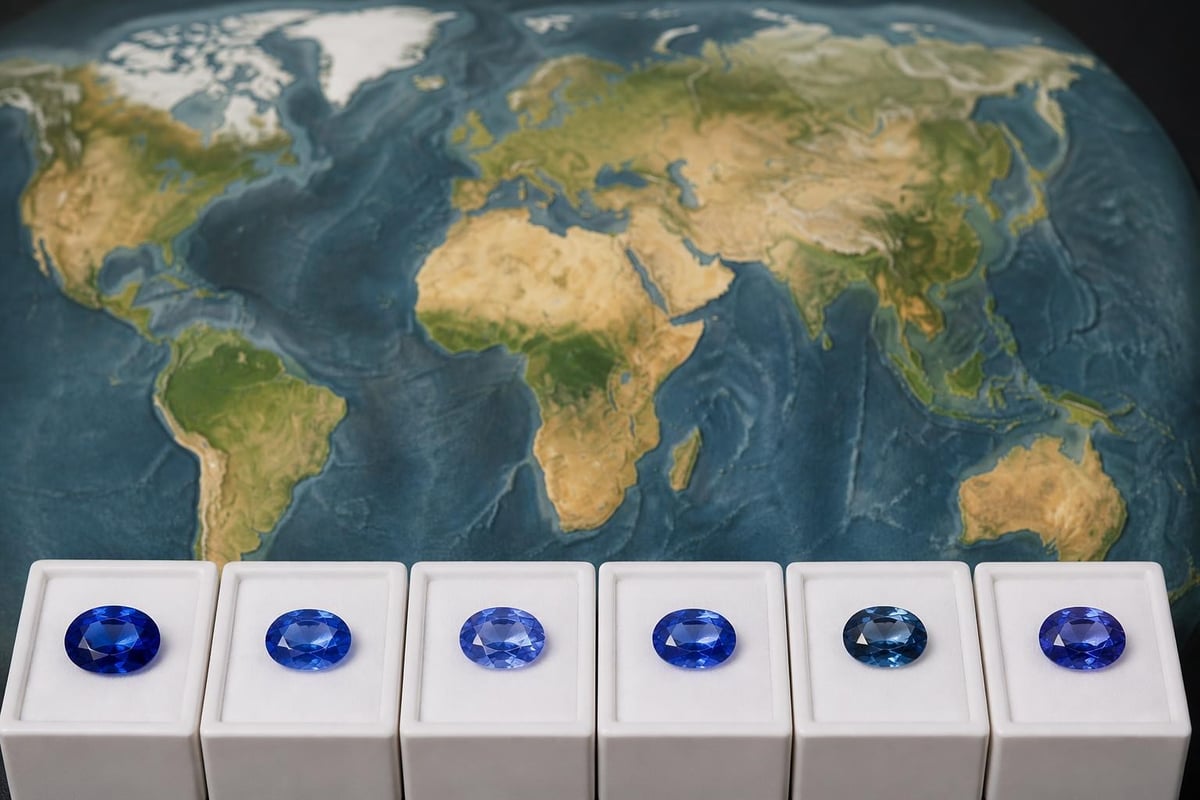
The origin of natural blue sapphire stones dramatically impacts their value and desirability among collectors:
- Kashmir: Produces the most coveted "cornflower blue" sapphires with a velvety appearance
- Myanmar (Burma): Known for rich, royal blue stones with excellent clarity
- Sri Lanka (Ceylon): Yields lighter blue sapphires with exceptional transparency
- Madagascar: Offers high-quality stones at more accessible price points
- Montana: Provides unique American-sourced sapphires with distinctive color variations
- Australia: Produces darker blue specimens with strong saturation
Each deposit carries geological signatures that gemologists can identify, helping authenticate origin claims and establish provenance. The mining location often serves as a significant factor in pricing, with Kashmir sapphires commanding premium prices regardless of comparable quality from other sources.
The Four C's Applied to Sapphire Evaluation
While the Four C's traditionally apply to diamond assessment, these criteria provide an equally valuable framework for evaluating natural blue sapphire stones. Adapting these standards to colored gemstone evaluation requires understanding how each factor manifests differently in sapphires.
Color Assessment and Grading
Color represents the most critical value determinant for natural blue sapphire stones, accounting for approximately 50-60% of the overall worth. Gemologists evaluate color across three distinct dimensions:
Hue: The primary color and any secondary tones present. The most valuable specimens display a pure blue without excessive green or purple modifiers, though slight violet undertones often enhance desirability.
Saturation: The intensity and purity of color, ranging from grayish or brownish modifiers to vivid, highly saturated blue. Stones with strong saturation command premium prices.
Tone: The lightness or darkness of the color, measured on a scale from light to dark. Medium to medium-dark tones typically achieve the highest valuations, as very light stones appear washed out while very dark specimens lose brilliance.
| Color Grade | Description | Market Position |
|---|---|---|
| Exceptional | Vivid, pure blue (cornflower) | Top 1-2% of market |
| Excellent | Strong blue with minimal modifiers | Top 10% of market |
| Very Good | Medium saturation, slight modifiers | Mid-range premium |
| Good | Noticeable gray or purple | Entry-level fine quality |
Clarity Standards and Inclusions
Natural blue sapphire stones almost always contain inclusions, which serve as identifying characteristics confirming natural origin. Unlike diamonds, where clarity dramatically affects value, sapphires receive more tolerance for internal features provided they do not compromise beauty or durability.
Type I clarity (eye-clean stones) represents the ideal but remains extremely rare in larger carat weights. Most fine-quality sapphires fall into Type II clarity, displaying minor inclusions visible under 10x magnification but not to the naked eye.
Common inclusion types include:
- Silk (fine rutile needle networks creating a soft appearance)
- Fingerprints (partially healed fractures)
- Crystal inclusions (mineral deposits)
- Color zoning (uneven color distribution)
The presence of silk inclusions, when fine and evenly distributed, can actually enhance value by creating the coveted "sleepy" or velvety appearance associated with Kashmir sapphires.
Cut Quality and Proportions
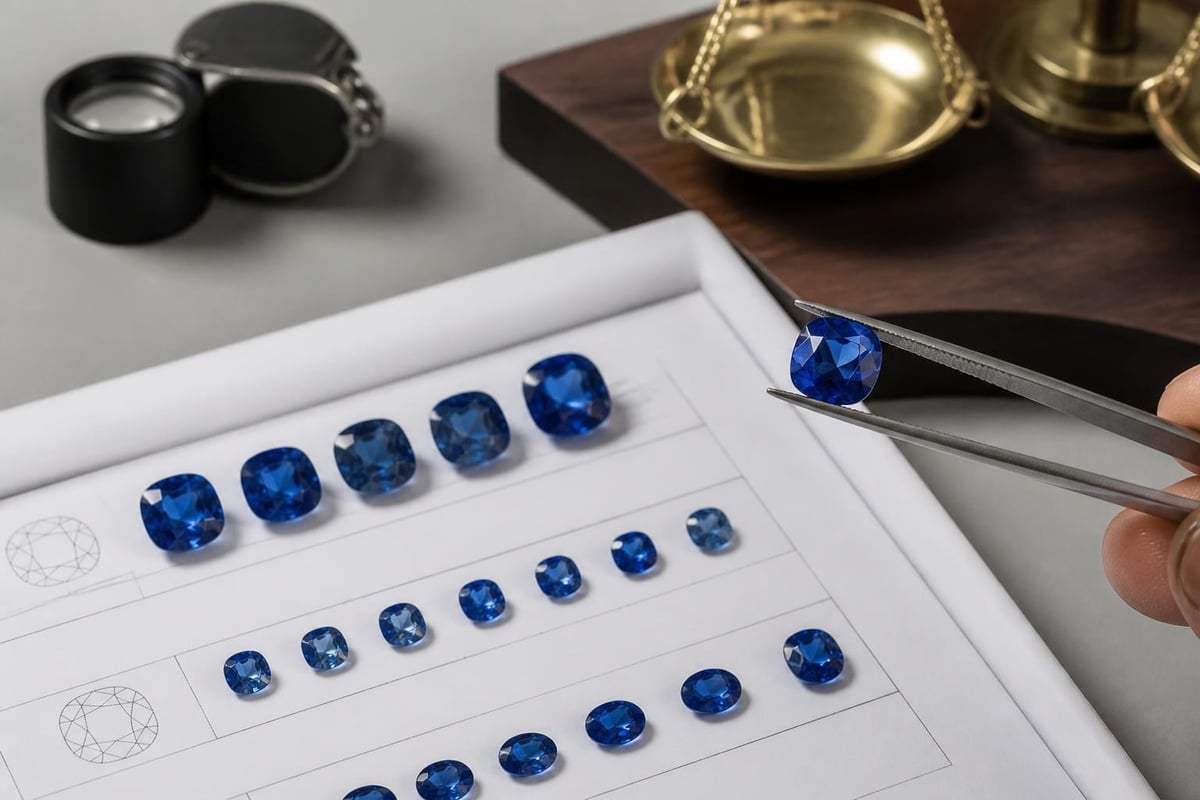
The cutting quality of natural blue sapphire stones significantly influences their visual appeal and value retention. Master cutters must balance maximizing carat weight against optimizing color saturation and brilliance, often requiring strategic decisions about depth and windowing.
Optimal proportions ensure light return without creating extinction areas or windows where the color appears washed out. Traditional cuts for sapphires include:
- Oval (most popular, maximizes yield)
- Cushion (vintage appeal, excellent light performance)
- Round (classic choice, higher per-carat cost)
- Emerald (step-cut for cleaner stones)
- Pear and marquise (elongated options)
Poorly cut stones may display color zoning more prominently or appear darker than necessary, reducing their market value by 20-40% compared to well-proportioned specimens.
Carat Weight Considerations
Natural blue sapphire stones increase exponentially in value per carat as size increases, particularly above critical threshold weights. A two-carat sapphire of equivalent quality commands more than double the per-carat price of a one-carat stone.
Pricing tiers typically adjust at:
- 1 carat
- 2 carats
- 3 carats
- 5 carats
- 10+ carats (rare, museum-quality)
Larger stones also display color more effectively, making size an important consideration beyond mere weight. However, quality should never be sacrificed for size, as a smaller, higher-quality stone often represents a superior investment.
Heat Treatment and Enhancement Disclosure
The vast majority of natural blue sapphire stones available in today's market have undergone heat treatment to enhance their color and clarity. This practice, accepted industry-wide for centuries, permanently improves the gemstone's appearance by dissolving silk inclusions and intensifying blue coloration.
Standard vs. Unheated Specimens
Unheated natural blue sapphire stones command significant premiums, often 30-50% higher than comparable heated stones, and in exceptional cases, premiums can exceed 100-200%. These untreated gems represent the rarest category and require certification from reputable laboratories.
Heat treatment levels:
- Unheated: No thermal enhancement (H0)
- Standard heat: Traditional heating process (H)
- Heated with additives: Treatment with beryllium diffusion (H2) - significantly impacts value
Reputable sellers always disclose treatment status, and certification from laboratories like GIA, AGL, or Gübelin provides essential documentation. Similar to how certification means transparency when buying jewelry, sapphire treatment disclosure protects buyers and ensures fair market value.
Certification and Laboratory Reports
Acquiring natural blue sapphire stones without proper certification represents a significant risk for serious collectors. Third-party laboratory reports provide objective assessment of the stone's characteristics, treatment status, and often origin determination.
Leading Gemological Laboratories
| Laboratory | Strengths | Report Features |
|---|---|---|
| GIA | Comprehensive analysis, global recognition | Color grade, origin (when determinable), treatment |
| AGL (American Gemological Laboratories) | Origin expertise, detailed reports | Prestige origin declarations, quality assessments |
| Gübelin | Swiss precision, premium positioning | Detailed inclusion analysis, provenance research |
| GRS | Asian market focus, origin specialization | Color grading systems, geographic origin |
Premium specimens, particularly those claiming Kashmir, Burmese, or unheated status, should always include reports from multiple laboratories to confirm authenticity and characteristics.
Investment Potential and Market Trends
Natural blue sapphire stones have demonstrated strong appreciation over the past two decades, particularly for specimens from prestigious origins or with unheated status. The finite supply from historic mines, combined with growing global demand, creates favorable long-term value prospects.
Market Performance Indicators
Fine-quality sapphires from Kashmir have appreciated approximately 6-8% annually over the past fifteen years, outperforming many traditional investment vehicles. Burmese and Sri Lankan stones of exceptional quality have shown similar, though slightly more modest, appreciation rates.
Current market trends indicate:
- Increased demand for certified unheated stones
- Growing appreciation for sustainable, traceable origins
- Rising interest in Montana and Australian sapphires
- Premium pricing for vivid color saturation regardless of origin
Collectors seeking precious gemstone investments should prioritize quality over size, focusing on stones with excellent color, minimal treatment, and proper documentation.
Selecting Sapphires for Fine Jewelry Settings
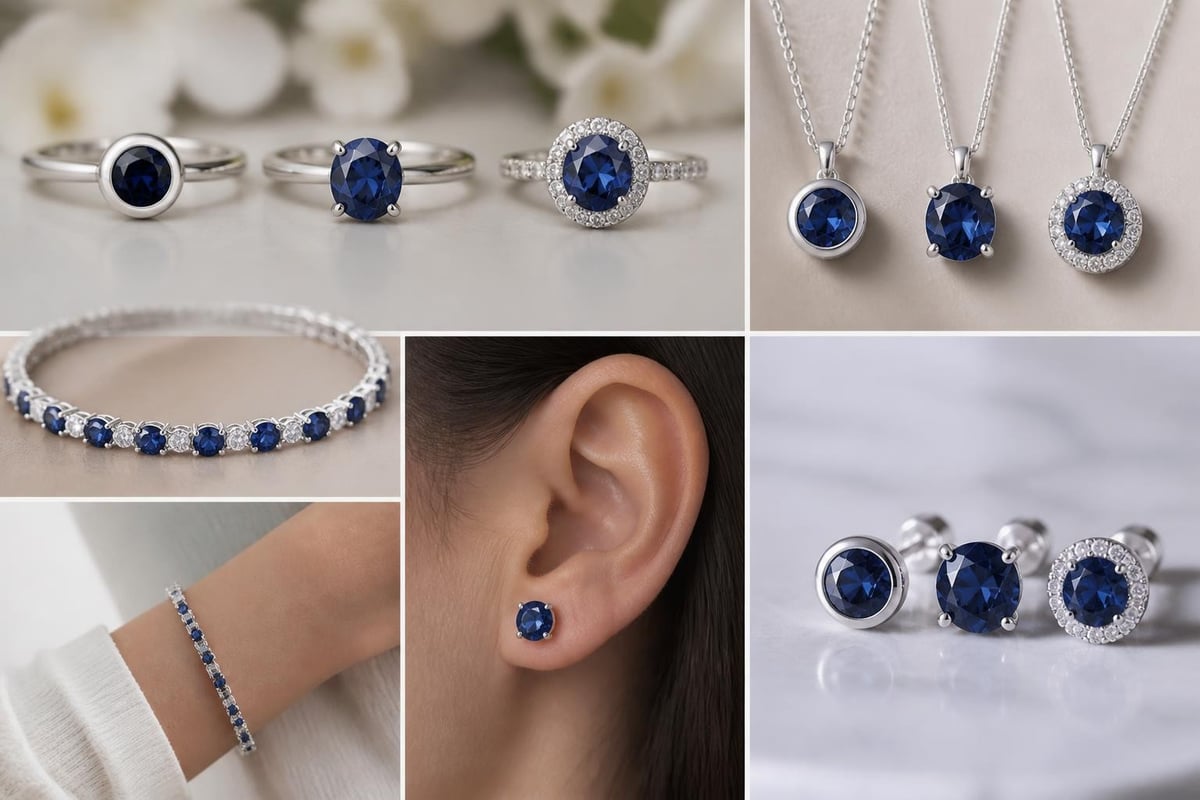
Natural blue sapphire stones adapt beautifully to various jewelry applications, from engagement rings to statement necklaces and heirloom bracelets. The exceptional hardness of sapphire (9 on the Mohs scale) makes it ideal for daily wear pieces that require durability alongside beauty.
Ring Settings and Design Considerations
When incorporating sapphires into rings, setting security becomes paramount. The following mounting styles provide both protection and visual enhancement:
- Bezel settings: Complete metal surround offers maximum protection
- Prong settings: Four or six prongs allow maximum light entry
- Halo designs: Diamond surround amplifies the center stone's presence
- Three-stone arrangements: Balance sapphire with complementary gems
- Solitaire mountings: Classic presentation emphasizing the stone
The metal choice significantly impacts the sapphire's visual presentation. White gold and platinum create cool, contemporary aesthetics that complement the blue tones, while yellow gold provides warm contrast that can intensify color perception.
Necklace and Pendant Applications
Natural blue sapphire stones create stunning focal points in necklace designs, whether as solitaire pendants or incorporated into elaborate collar designs. The visibility of necklaces makes them ideal showcases for exceptional color quality.
Design approaches include:
- Simple pendant settings highlighting a single exceptional stone
- Graduated sapphire and diamond arrangements
- Vintage-inspired Art Deco patterns
- Modern geometric compositions
- Station necklaces featuring multiple matched sapphires
Selecting the appropriate necklace length ensures the sapphire displays optimally against various necklines and occasions.
Care and Maintenance Best Practices
While natural blue sapphire stones rank among the most durable gemstones, proper care ensures they maintain their beauty and value across generations. Regular maintenance prevents damage and preserves the original polish and brilliance.
Cleaning Methods and Frequency
Home cleaning can safely maintain sapphire jewelry between professional services:
Recommended cleaning approach:
- Prepare warm water with mild dish soap
- Soak jewelry for 15-20 minutes
- Use a soft toothbrush to gently clean behind and around the stone
- Rinse thoroughly under warm running water
- Dry with a lint-free cloth
Avoid ultrasonic cleaners for heavily included stones or those with fracture filling treatments, as vibrations can potentially cause damage. Steam cleaning generally remains safe for natural blue sapphire stones without significant inclusions.
Storage and Protection
Proper storage prevents scratches to both the sapphire and surrounding jewelry pieces:
- Store sapphire jewelry separately or in individual compartments
- Use fabric-lined boxes or pouches
- Avoid contact with harder materials (diamonds) or chemicals
- Remove jewelry before engaging in physical activities
- Schedule annual professional inspections to check prong integrity
Authentication and Avoiding Synthetic Alternatives
The marketplace includes various sapphire alternatives, from lab-created synthetic stones to glass imitations. While synthetic sapphires possess identical chemical composition to natural stones, they lack the rarity and investment value of earth-mined specimens.
Distinguishing Natural from Synthetic
Laboratory-created sapphires have existed since the early 1900s, produced through methods like flame fusion, flux growth, or hydrothermal synthesis. These stones display characteristic growth patterns visible under magnification that differ from natural formation features.
Authentication indicators:
- Natural stones show irregular, often curved color zoning
- Synthetic specimens display straight growth lines or curved striae
- Natural inclusions differ substantially from synthetic crystal patterns
- Certification from recognized laboratories confirms natural origin
Working with established jewelry houses that specialize in curated collections of fine jewelry and gemstones ensures authenticity and provides access to properly documented natural blue sapphire stones.
Price Ranges and Budget Planning
Natural blue sapphire stones span an enormous price spectrum, from several hundred dollars per carat to tens of thousands for exceptional specimens. Understanding pricing tiers helps buyers establish realistic budgets and identify fair market value.
Current Market Pricing (2026)
| Quality Category | Treatment Status | Price Range (per carat) |
|---|---|---|
| Commercial Grade | Heated | $400-$1,200 |
| Fine Quality | Heated | $1,500-$4,000 |
| Extra Fine | Heated | $4,500-$10,000 |
| Fine Quality | Unheated | $3,000-$8,000 |
| Extra Fine | Unheated | $10,000-$25,000+ |
| Kashmir/Premium Origin | Unheated | $25,000-$100,000+ |
These ranges reflect stones in the 1-3 carat range with standard proportions and good cutting. Exceptional examples, particularly larger sizes or historically significant provenance, can command substantially higher premiums.
Budget-conscious buyers should prioritize color quality and eye-clean appearance over carat weight and unheated status. A well-selected heated sapphire of excellent color often provides superior visual impact compared to a larger, poorly colored stone.
Royal History and Cultural Significance
Natural blue sapphire stones carry rich historical significance, adorning royal crowns and featuring prominently in cultural traditions worldwide. This heritage adds intangible value and emotional resonance that transcends mere gemological assessment.
The most famous example remains Princess Diana's sapphire engagement ring, now worn by Catherine, Princess of Wales. This 12-carat oval Ceylon sapphire surrounded by diamonds demonstrates the enduring appeal of these magnificent stones in significant life moments.
Historical significance includes:
- Association with wisdom, loyalty, and nobility across cultures
- September birthstone designation
- 5th and 45th wedding anniversary gemstone
- Religious symbolism in various traditions
- Royal regalia throughout European monarchies
This cultural weight makes natural blue sapphire stones particularly meaningful for engagement rings and heirloom pieces intended to pass through generations.
Matching and Pairing Considerations
Creating jewelry featuring multiple natural blue sapphire stones requires careful matching to ensure visual cohesion. Color consistency, size progression, and cut uniformity all contribute to a harmonious final piece.
Creating Matched Sets
Matching sapphires presents greater challenges than diamonds due to color variation. Even stones from the same geographic origin display subtle differences in hue, saturation, and tone. Assembling a perfectly matched suite of sapphire jewelry can take years.
Matching criteria:
- Identical or imperceptibly different color profiles
- Proportional size relationships
- Consistent cutting styles and proportions
- Similar clarity characteristics
- Matching treatment status
Sets of matched natural blue sapphire stones command premiums of 20-40% above the sum of individual stone values, reflecting the difficulty and time required to assemble them.
Future Outlook for Sapphire Markets
The market for natural blue sapphire stones continues evolving, influenced by supply constraints, changing consumer preferences, and broader economic factors. Several trends suggest continued strength in this segment through the coming decade.
Emerging market factors:
- Declining production from historic sources increases rarity
- Growing wealth in Asian markets drives demand
- Younger buyers seek colored gemstone alternatives to traditional diamonds
- Ethical sourcing and traceability gain importance
- Investment diversification strategies include colored gemstones
These dynamics support continued appreciation for high-quality specimens while creating opportunities for new market entrants from emerging mining regions. Buyers who prioritize quality documentation and work with reputable sources position themselves advantageously for long-term value preservation.
Natural blue sapphire stones represent an exceptional combination of beauty, durability, and investment potential that few gemstones can match. Understanding the factors that determine quality, value, and authenticity empowers you to make informed decisions whether acquiring a single statement piece or building a comprehensive collection. La Maison Val D'or offers expertly curated selections of natural blue sapphire stones and fine jewelry, each piece chosen for its exceptional quality and timeless elegance. Discover how our specialists can guide you to the perfect sapphire that meets your aesthetic vision and investment objectives.