
Gems and Diamonds: A Complete Guide for Fine Jewelry
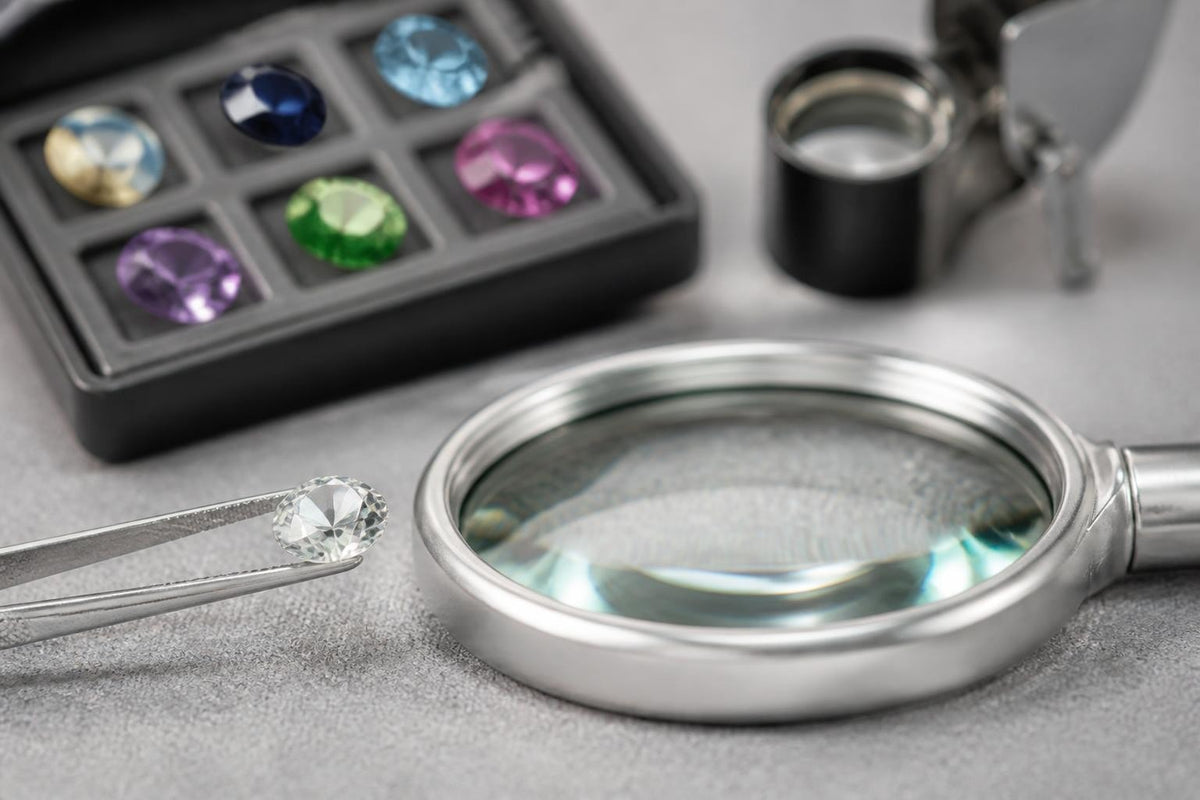
The world of fine jewelry centers around two magnificent categories of precious stones: gems and diamonds. While diamonds technically belong to the gemstone family, their exceptional properties and market position have created a distinct classification that sets them apart. Understanding the differences, qualities, and characteristics of gems and diamonds enables collectors and buyers to make informed decisions when investing in heirloom-quality pieces. From formation processes to certification standards, these natural treasures represent both beauty and lasting value.
Understanding the Fundamental Differences Between Precious Stones
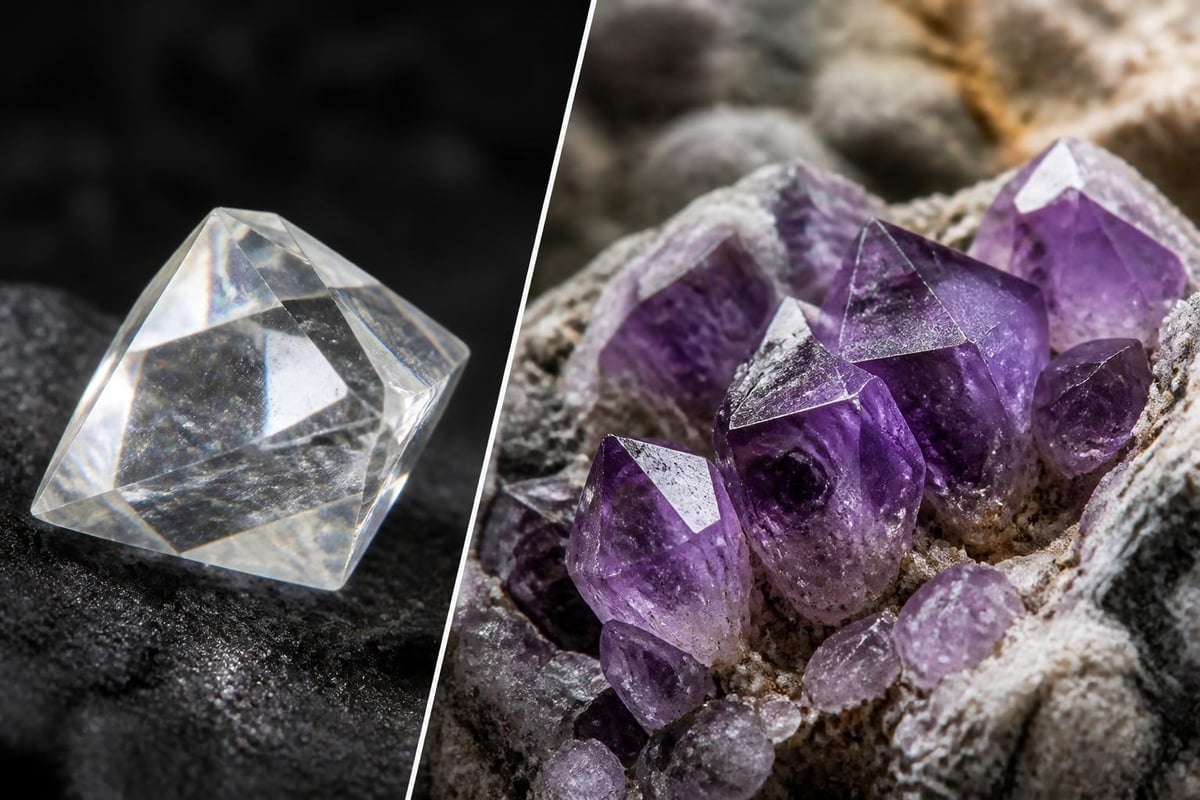
Gems and diamonds share a common origin in the earth's depths, yet their chemical compositions and physical properties create distinct categories. Diamonds consist of pure carbon arranged in a cubic crystal structure, making them the hardest natural substance on earth. This unique composition grants diamonds their exceptional brilliance and durability.
Colored gemstones, by contrast, encompass a diverse array of minerals. Rubies and sapphires belong to the corundum family, emeralds contain beryllium aluminum silicate, and alexandrite features chromium-rich chrysoberyl. Each type of gemstone possesses unique chemical properties that determine its color, hardness, and rarity.
Physical Properties That Define Value
Hardness remains a critical factor when evaluating gems and diamonds for fine jewelry applications. The Mohs scale ranks diamond at 10, while other precious stones range from 7 to 9. This hardness differential impacts:
- Durability for daily wear
- Resistance to scratching and abrasion
- Longevity of facets and polish
- Suitability for specific jewelry settings
Optical properties distinguish how light interacts with each stone. Diamonds exhibit exceptional dispersion, creating the signature "fire" effect. Gemstones display phenomena like pleochroism, asterism, or color change, adding unique visual characteristics.
The Certification and Grading Standards
Professional evaluation of gems and diamonds requires understanding industry-standard certification processes. The Federal Trade Commission provides consumer guidance on navigating gemstone purchases and identifying reputable certification bodies.
Diamond Grading Fundamentals
Diamond assessment follows the universally recognized 4 Cs framework. The International Gem Society offers comprehensive advice on diamond evaluation, covering each critical parameter.
| Grading Factor | Impact on Value | Key Considerations |
|---|---|---|
| Cut | Determines brilliance | Proportions, symmetry, polish quality |
| Color | D-Z scale | Colorless (D-F) commands premium pricing |
| Clarity | Eye-clean appearance | VS2 or better for investment pieces |
| Carat Weight | Size and presence | Price increases exponentially with size |
Certification bodies provide third-party verification of diamond characteristics. GIA (Gemological Institute of America) reports remain the industry gold standard, while IGI certifications have gained prominence, particularly for lab-grown stones. Understanding certification ensures transparency when purchasing significant pieces.
Colored Gemstone Assessment
Colored gems and diamonds require different evaluation approaches. While diamonds prioritize lack of color, gemstones derive value from color intensity and saturation. The three components of gemstone color evaluation include:
- Hue - The pure spectral color
- Tone - The lightness or darkness
- Saturation - The intensity or purity of color
Origin documentation adds substantial value to colored gemstones. Burmese rubies, Kashmir sapphires, and Colombian emeralds command premium prices due to their geographic provenance and historical significance.
Natural Versus Laboratory-Created Options
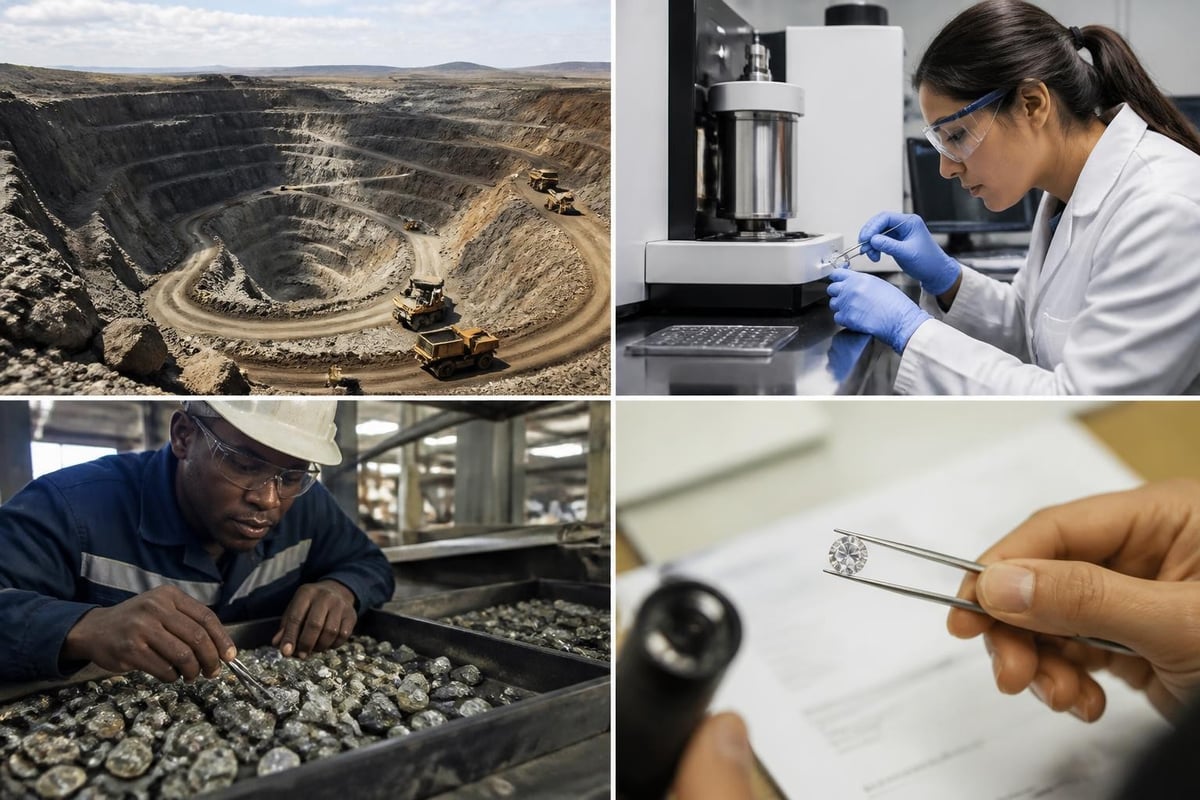
The market for gems and diamonds now includes both natural and laboratory-created alternatives. Understanding the differences between lab-grown and natural diamonds helps buyers align their purchases with personal values and budget considerations.
Laboratory-Created Diamond Advantages
Cost efficiency represents the primary benefit of lab-grown diamonds. Identical chemical composition to natural diamonds allows laboratory stones to exhibit the same physical properties at approximately 40-60% lower prices. This pricing structure enables:
- Larger carat weights within budget constraints
- Higher clarity and color grades at accessible price points
- Flexibility to invest in superior settings and metalwork
- Opportunity to own multiple significant pieces
Environmental considerations appeal to conscientious consumers. Lab-grown diamond production eliminates mining impacts, though energy consumption remains a factor depending on production methods.
The Natural Stone Investment Perspective
Natural gems and diamonds maintain distinct advantages for collectors focused on long-term value retention. Rarity, particularly for exceptional specimens, creates scarcity-driven appreciation. Certain colored gemstones like alexandrite demonstrate strong investment potential due to limited global sources.
Provenance and history add intangible value that laboratory stones cannot replicate. Estate pieces carry stories and craftsmanship from previous eras, while newly mined stones from historic locations maintain cachet among serious collectors.
Evaluating Quality in Fine Jewelry Applications
Selecting gems and diamonds for jewelry requires considering how stones perform in specific settings and wearing conditions. The relationship between stone selection and jewelry design determines both aesthetic success and practical longevity.
Setting Compatibility Factors
Different jewelry applications demand specific stone characteristics:
- Engagement rings and wedding bands - Daily wear necessitates durable stones, making diamonds and sapphires ideal choices
- Statement necklaces - Larger gemstones provide visual impact while setting security becomes paramount
- Tennis bracelets - Uniform stone quality across multiple gems ensures consistent appearance
- Earrings - Weight considerations influence size and setting style selections
Metal selection significantly impacts the appearance of gems and diamonds. Yellow gold versus white gold choices affect color perception, particularly with near-colorless diamonds where warm metal tones can enhance or detract from stone appearance.
| Metal Type | Best For | Visual Impact |
|---|---|---|
| Platinum | Colorless diamonds (D-F) | Enhances cool brilliance |
| White Gold | Most diamonds and colored gems | Versatile, modern aesthetic |
| Yellow Gold | Warmer diamonds (J-M), rubies | Traditional, rich appearance |
| Rose Gold | Morganite, pink sapphires | Romantic, contemporary style |
Size and Proportion Considerations
The relationship between stone size and jewelry design affects overall harmony. Choosing appropriate necklace length complements pendant size, while bracelet dimensions should balance stone carat weight with wearability.
Understanding Market Dynamics and Pricing
The market for gems and diamonds operates according to supply, demand, and quality factors that create significant price variations. Diamond sources vary considerably, from traditional mining operations to recycled estate pieces and modern laboratory production.
Price Determinants for Investment Pieces
Rarity drives value across all categories of fine gemstones. The fundamental characteristics of gemstones combine with availability to establish market pricing. A 3-carat D/VVS1 natural diamond commands exponentially higher pricing than a 1-carat stone of identical quality due to scarcity at larger sizes.
Colored gemstone pricing follows different patterns. Treatment status dramatically affects value, with untreated stones commanding substantial premiums. Heat treatment, common for rubies and sapphires, remains acceptable when disclosed, while fracture filling or glass filling significantly reduces value.
Timing and Market Considerations
Economic conditions influence luxury purchases, including gems and diamonds. The 2026 market reflects several key trends:
- Increasing acceptance of laboratory-created stones for fashion jewelry
- Sustained demand for natural stones in bridal and heirloom pieces
- Growing interest in colored gemstone engagement rings
- Premium pricing for certified, ethically sourced natural diamonds
Seasonal patterns affect certain jewelry categories. Engagement ring shopping peaks from November through February, while colored gemstone interest increases during spring and summer months when vibrant jewelry complements seasonal wardrobes.
Building a Curated Collection
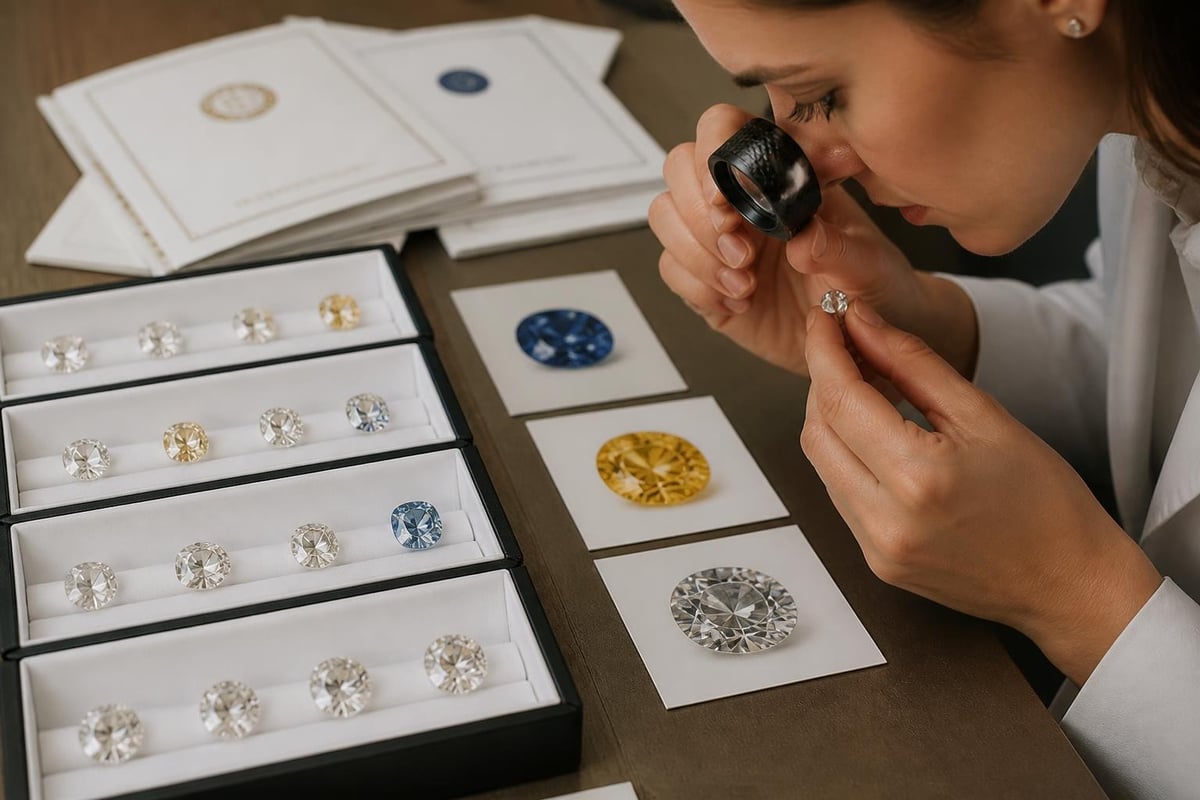
Developing a meaningful collection of gems and diamonds requires strategy, patience, and education. Whether focusing on investment value, personal enjoyment, or future heirloom potential, thoughtful acquisition builds lasting worth.
Starting with Foundation Pieces
Classic diamond jewelry provides versatile foundations for any collection. A well-selected diamond pendant or stud earrings complements diverse styles while maintaining value. Tennis necklaces offer timeless elegance that transitions seamlessly from professional to formal settings.
Beginning collectors should prioritize:
- Quality over quantity - One exceptional piece surpasses multiple mediocre items
- Certification and documentation - Professional grading reports protect investments
- Versatile designs - Classic styles maintain relevance across decades
- Proper sizing - Well-fitted jewelry receives more wear, justifying investment
Expanding into Colored Gemstones
Diversification through colored stones adds personality and variety. Birthstone jewelry offers meaningful connection while providing accessible entry points into gemstone collecting. Sapphires, available in multiple colors beyond traditional blue, offer excellent hardness and value retention.
Strategic gemstone acquisition considers color palette preferences and wardrobe coordination. Cool-toned collectors might emphasize sapphires, aquamarines, and white diamonds, while warm-toned individuals gravitate toward rubies, yellow sapphires, and champagne diamonds.
Authentication and Care Considerations
Protecting investments in gems and diamonds requires understanding authentication, insurance, and maintenance protocols. Professional verification prevents costly mistakes, while proper care preserves beauty and value.
Professional Verification Methods
Independent appraisal provides unbiased assessment of gems and diamonds. Certified gemologists utilize specialized equipment to verify:
- Natural versus synthetic origin
- Treatment disclosure accuracy
- Quality grading consistency with certificates
- Fair market value for insurance purposes
Regular re-certification maintains current documentation as market values fluctuate. Major pieces warrant appraisal updates every three to five years, ensuring adequate insurance coverage and accurate estate planning records.
Maintenance and Preservation
Different gems and diamonds require specific care protocols. Scientific research on diamond formation reveals their exceptional durability, yet proper maintenance preserves brilliance. Professional cleaning twice annually removes accumulated oils and debris that diminish light performance.
Colored gemstones demand additional caution. Emeralds, often treated with oils or resins, require gentle cleaning methods. Opals and pearls avoid ultrasonic cleaners due to their organic composition and water content.
The Role of Design in Showcasing Quality Stones
Superior gems and diamonds deserve settings that enhance their natural beauty while providing security. Design choices significantly impact how stones present visually and how pieces function for regular wear.
Setting Styles and Their Impact
Prong settings maximize light entry, creating optimal brilliance for diamonds. Four-prong designs offer clean, modern aesthetics, while six-prong settings provide additional security for valuable stones. Engagement ring setting options range from simple solitaires to elaborate halo designs that amplify visual impact.
Bezel settings encircle gems and diamonds with protective metal bands, ideal for active lifestyles. This approach works particularly well for softer gemstones requiring additional protection or pieces intended for daily wear.
Contemporary designs balance security with aesthetics through:
- Channel settings for continuous stone lines
- Pavé techniques creating diamond-encrusted surfaces
- Tension settings showcasing stones with minimal metal
- Three-stone arrangements symbolizing past, present, and future
Understanding the nuances of gems and diamonds transforms jewelry purchases from simple transactions into informed investments in beauty and value. The interplay of quality factors, market dynamics, and personal preferences creates unique opportunities for discerning collectors. La Maison Val D'or curates exceptional collections that exemplify the finest standards in gems and diamonds, offering expertly selected pieces that combine timeless elegance with superior craftsmanship. Explore their thoughtfully assembled inventory to discover investment-quality jewelry that celebrates both artistry and enduring value.