
When selecting a diamond ring natural diamond pieces stand apart as remarkable investments in both beauty and heritage. Natural diamonds have formed over billions of years deep within the Earth's mantle, making each stone genuinely unique. For discerning collectors and those seeking ultra-fine jewelry, understanding the distinctive characteristics of natural diamonds ensures you make an informed decision that honors both craftsmanship and geological wonder. The marketplace in 2026 offers unprecedented transparency, allowing buyers to appreciate the authentic journey from mine to masterpiece.
Understanding Natural Diamond Formation and Authenticity
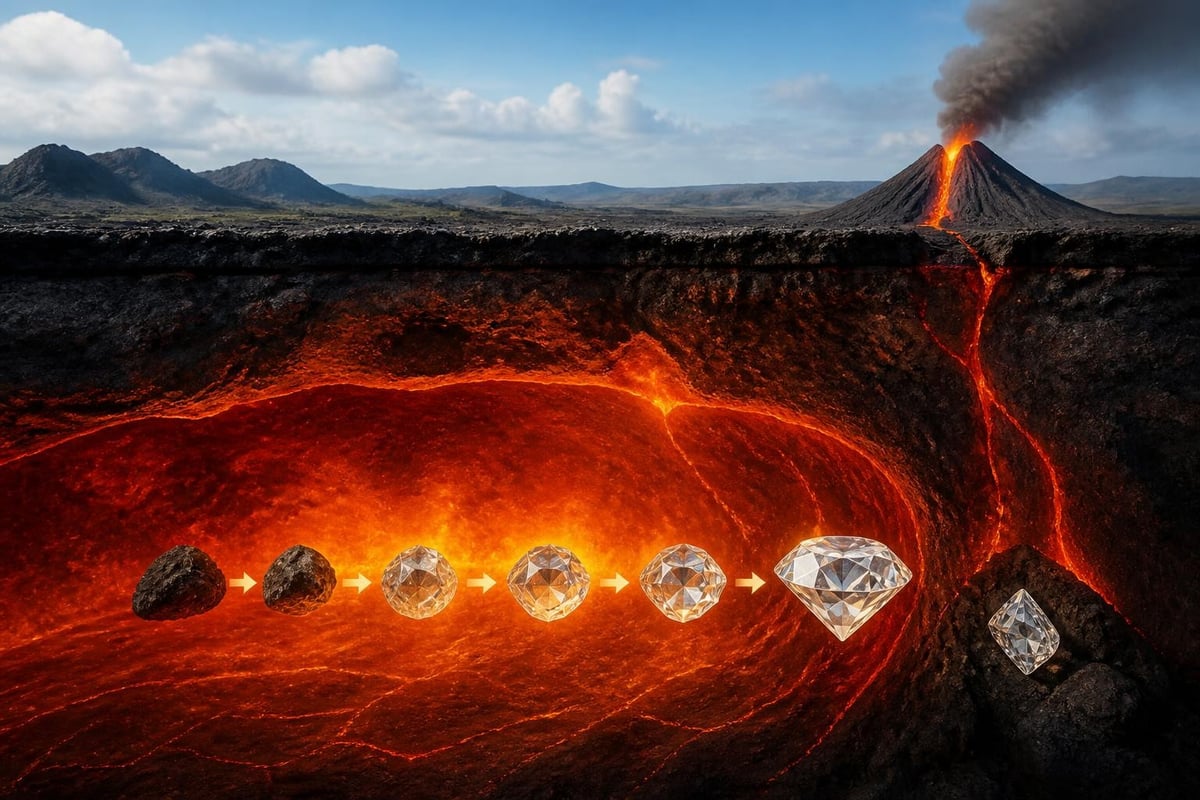
Natural diamonds undergo extraordinary geological processes that distinguish them from any manufactured alternative. These precious stones form approximately 100 miles beneath the Earth's surface under extreme pressure and temperature conditions, requiring billions of years to complete their transformation from carbon to crystallized perfection.
The Geological Journey
The formation process begins when carbon atoms bond in a specific crystalline structure deep within the mantle. Volcanic eruptions bring these diamonds closer to the surface through kimberlite pipes, making them accessible for mining. This natural diamond formation process creates distinctive characteristics that gemologists can identify and verify.
Key formation elements include:
- Time scale: 1 to 3.3 billion years of geological development
- Depth: Formation occurs 90 to 120 miles below Earth's surface
- Temperature: Requires heat exceeding 2,000 degrees Fahrenheit
- Pressure: Demands approximately 725,000 pounds per square inch
- Transport: Volcanic activity moves diamonds to mineable depths
Each diamond ring natural diamond carries unique internal characteristics called inclusions, which serve as nature's fingerprints. These microscopic features, rather than being flaws, authenticate the stone's natural origin and provide its individual identity.
Quality Assessment for Diamond Ring Natural Diamond Selections
Evaluating a diamond ring natural diamond requires comprehensive knowledge of the industry-standard Four Cs: Cut, Color, Clarity, and Carat weight. These universal criteria establish value benchmarks and help buyers make informed decisions aligned with their preferences and investment goals.
The Four Cs Framework
| Characteristic | Excellent Range | Impact on Value | What to Know |
|---|---|---|---|
| Cut | Excellent to Ideal | 40-50% of value | Determines brilliance and sparkle |
| Color | D to F (colorless) | 20-25% of value | Absence of color increases rarity |
| Clarity | VVS1 to IF | 15-20% of value | Fewer inclusions mean higher grade |
| Carat | Varies by preference | 25-30% of value | Weight affects price exponentially |
The cut quality deserves particular attention because it directly influences how light interacts with the stone. A well-cut diamond ring natural diamond maximizes brilliance through precise facet angles and proportions, transforming raw material into captivating jewelry.
Beyond the Basic Four Cs
Modern gemological assessment extends beyond traditional grading to include fluorescence, polish, and symmetry. Fluorescence occurs when ultraviolet light causes the diamond to emit a soft glow, typically blue. While strong fluorescence may slightly affect value in colorless diamonds, it can enhance the appearance of lower color grades.
Advanced quality factors:
- Polish quality: Surface smoothness affecting light reflection
- Symmetry precision: Alignment of facets for optimal brilliance
- Fluorescence intensity: Ranging from none to very strong
- Depth percentage: Ratio impacting light performance
- Table percentage: Top facet size relative to diameter
At La Maison Val D'or, our curators evaluate every diamond using these comprehensive criteria, ensuring each piece meets the highest standards of excellence.
Certification and Documentation Standards
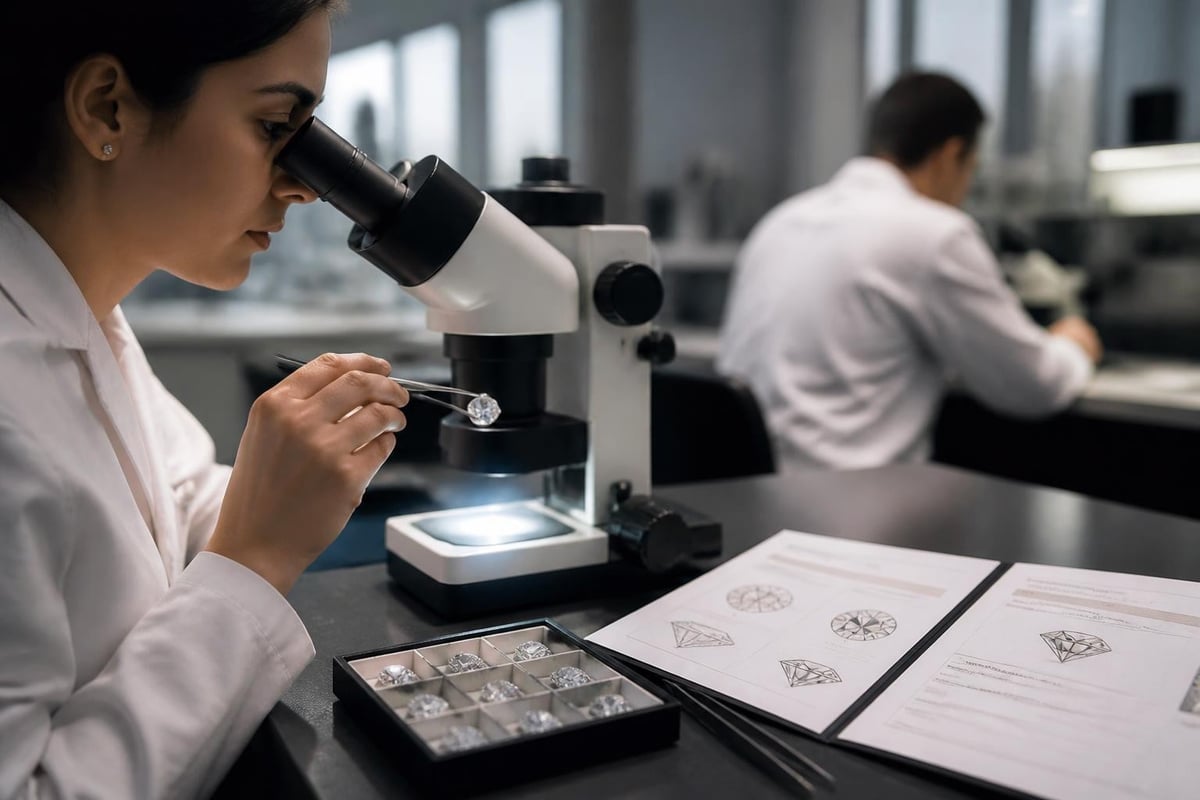
Professional certification provides essential verification for any diamond ring natural diamond purchase. Independent gemological laboratories examine stones and issue detailed reports documenting their characteristics, ensuring buyers receive accurate information about their investment.
Leading Certification Bodies
The Gemological Institute of America (GIA) remains the most recognized authority for diamond grading worldwide. Their comprehensive reports include detailed assessments of all quality factors, plotted diagrams of inclusions, and proportions measurements. The first natural all-diamond ring evaluated by GIA represents a significant milestone in gemological innovation.
Other respected certification organizations include:
- American Gem Society (AGS) - Known for stringent cut grading
- International Gemological Institute (IGI) - Global presence and comprehensive reports
- European Gemological Laboratory (EGL) - Regional expertise with multiple locations
- Hoge Raad voor Diamant (HRD) - Belgian diamond expertise since 1973
What Certification Documents Should Include
A complete certification for a diamond ring natural diamond provides verification that protects your investment and establishes resale value. Reports should contain photographs or diagrams mapping the stone's unique characteristics.
Essential certification elements:
- Unique report number for verification
- Precise measurements in millimeters
- Complete Four Cs assessment
- Fluorescence rating and description
- Proportions and finish quality ratings
- Plot diagram showing inclusion positions
Keep original certificates in secure storage and maintain digital copies for insurance purposes and future authentication needs.
Market Trends and Value Considerations in 2026
The diamond ring natural diamond market in 2026 reflects evolving consumer preferences toward transparency, sustainability, and verified provenance. Understanding current trends helps buyers make strategic decisions that align with both personal values and long-term investment potential.
Current Market Dynamics
Natural diamond values have stabilized following several years of market adjustment. The Natural Diamond Council's initiatives have increased consumer awareness about ethical sourcing and the genuine rarity of natural stones. This educational focus has reinforced appreciation for authentic geological specimens.
Price factors in 2026 include:
- Size thresholds: Significant price jumps occur at half-carat intervals
- Quality premiums: Top-tier stones command disproportionate value
- Shape preferences: Round brilliants typically cost 25-35% more than fancy shapes
- Origin documentation: Traceable provenance increases desirability
- Vintage appeal: Period settings with natural stones attract premium interest
Investment Perspective
While diamonds should primarily be purchased for personal enjoyment, a diamond ring natural diamond from reputable sources maintains value exceptionally well. Stones above one carat with excellent cut, color, and clarity grades demonstrate the strongest market resilience.
| Size Category | Market Strength | Best Value Strategy | Long-term Outlook |
|---|---|---|---|
| Under 0.50ct | Moderate | Focus on cut quality | Stable appreciation |
| 0.50-0.99ct | Strong | Balance all Four Cs | Consistent demand |
| 1.00-1.99ct | Very Strong | Prioritize certification | Premium growth |
| 2.00ct+ | Exceptional | Seek rare characteristics | Investment grade |
Purchasing from established fine jewelry houses ensures authenticity and provides access to stones with documented histories. Our collections at La Maison Val D'or feature carefully selected natural diamonds that meet rigorous quality standards.
Setting Styles and Design Considerations
The setting for a diamond ring natural diamond significantly influences the overall aesthetic and how the stone presents itself. Traditional and contemporary design approaches each offer distinct advantages, allowing personal style preferences to shine while protecting the diamond.
Classic Setting Options
Solitaire settings remain timelessly elegant, featuring a single diamond secured by four or six prongs. This minimalist approach maximizes light entry from all angles, enhancing the stone's natural brilliance. The elevated positioning creates dramatic visual impact while allowing wedding bands to sit flush.
Halo settings surround the center stone with smaller diamonds, creating the illusion of greater size while adding vintage-inspired romance. This style works particularly well for those seeking maximum visual impact from modest carat weights.
Three-stone settings represent past, present, and future, featuring a center diamond flanked by two smaller stones. This meaningful design allows for creative combinations of shapes and provides opportunities to incorporate family heirlones or birthstones.
Modern Design Innovations
Contemporary jewelry design in 2026 embraces clean lines, geometric precision, and unexpected metal combinations. Tension settings suspend the diamond between two metal bands, creating a floating appearance that showcases the stone's profile. Bezel settings fully encircle the diamond with metal, offering exceptional security for active lifestyles while presenting a sleek, modern aesthetic.
Popular contemporary features include:
- East-west orientations for marquise and oval shapes
- Mixed metal combinations contrasting white and yellow gold
- Asymmetric designs challenging traditional symmetry
- Hidden halo details visible only from profile views
- Sculptural shanks with architectural elements
The natural diamond 18k gold rings in our collection demonstrate how classic materials can be reimagined through innovative design approaches.
Maintenance and Care for Long-term Brilliance
Proper maintenance ensures a diamond ring natural diamond retains its brilliance for generations. While diamonds rank as the hardest natural substance, regular care prevents accumulation of oils and debris that diminish sparkle.
Daily Care Practices
Remove your diamond ring during activities involving harsh chemicals, heavy lifting, or potential impact. Chlorine, bleach, and abrasive cleaners can damage metal settings even though they won't harm the diamond itself. Store your ring separately from other jewelry to prevent metal scratches.
Weekly cleaning routine:
- Prepare warm water with mild dish soap
- Soak the ring for 20-30 minutes
- Gently brush with a soft toothbrush
- Pay attention to the back of the setting where oils accumulate
- Rinse thoroughly under warm running water
- Dry with a lint-free cloth
Ultrasonic cleaners provide deep cleaning but should be used cautiously. Consult with your jeweler before using ultrasonic methods, as certain inclusions or treatments may be sensitive to vibration.
Professional Maintenance Schedule
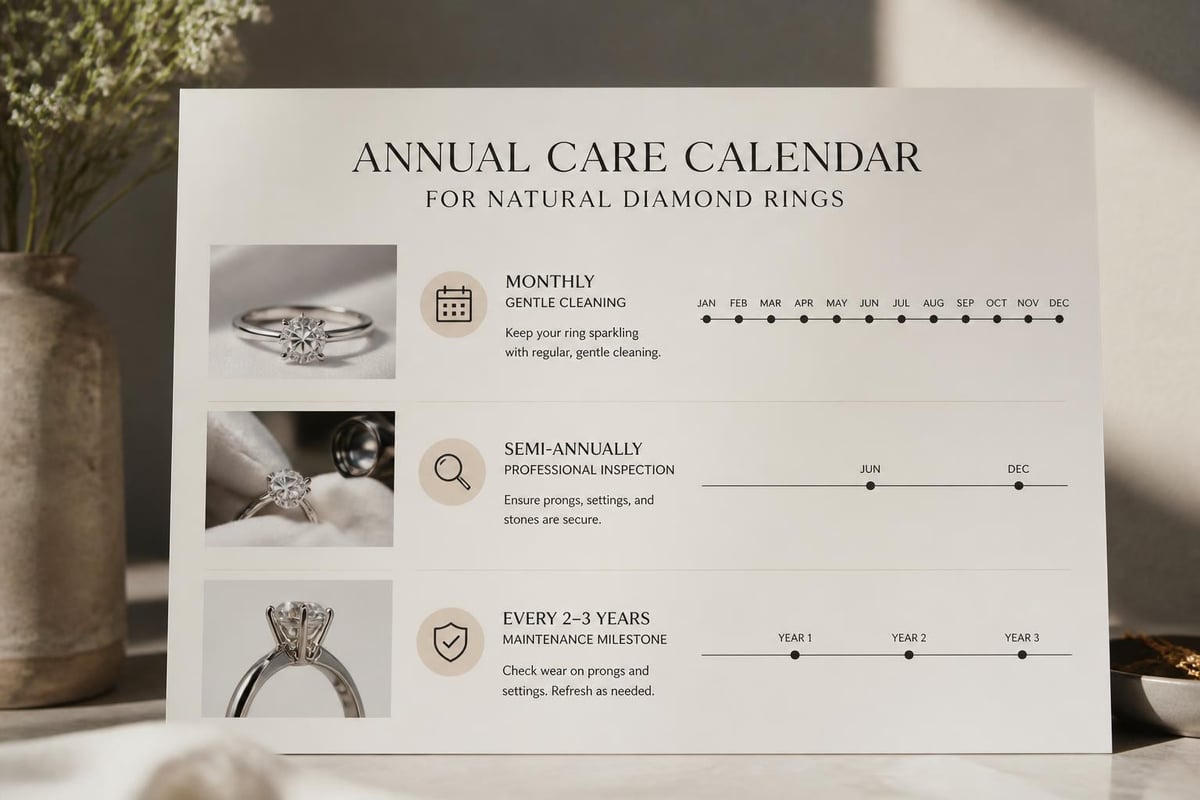
Annual professional inspections verify prong security and check for any setting weaknesses. Jewelers use specialized equipment to examine areas invisible to the naked eye, preventing potential stone loss from worn prongs or damaged settings.
| Service Type | Recommended Frequency | Purpose | Typical Duration |
|---|---|---|---|
| Professional Cleaning | Every 6 months | Deep cleaning, polish | 30 minutes |
| Prong Inspection | Annually | Security verification | 15 minutes |
| Re-tipping Prongs | Every 3-5 years | Restore prong height | 1-2 days |
| Re-plating (white gold) | Every 2-3 years | Restore rhodium finish | 1 week |
Establishing a relationship with a trusted jeweler ensures consistent care and provides expertise when repairs or modifications become necessary. The contact specialists at La Maison Val D'or offer personalized maintenance guidance for every piece in our collection.
Ethical Sourcing and Transparency
Understanding the origin and journey of a diamond ring natural diamond has become increasingly important to discerning buyers. The industry has implemented robust tracking systems ensuring stones are sourced responsibly without contributing to conflict or environmental degradation.
The Kimberley Process and Beyond
Established in 2003, the Kimberley Process Certification Scheme prevents conflict diamonds from entering the legitimate market. While this represents an important baseline, many retailers now exceed these minimum standards by implementing comprehensive tracking from mine to market.
Modern sourcing standards include:
- Mine-to-market traceability systems
- Third-party audits of mining operations
- Community development investments in mining regions
- Environmental impact assessments and mitigation
- Fair labor practice verification
The educational resources on natural diamonds provide detailed information about industry practices and debunk common misconceptions about diamond sourcing.
Verified Origin Programs
Select natural diamond producers now offer stones with documented origin, providing buyers with complete transparency about their purchase. These programs utilize advanced tracking technology, including laser inscriptions and blockchain verification, creating an unbreakable chain of custody.
Canadian diamonds, for example, carry certificates of origin verified by independent third parties. Botswana diamonds support significant social development programs, with mining revenues funding education, healthcare, and infrastructure projects. Australian Argyle diamonds, though the mine closed in 2020, remain highly sought for their distinctive pink diamonds and ethical legacy.
When selecting a diamond ring natural diamond, requesting origin documentation demonstrates commitment to responsible consumption while ensuring your investment supports positive industry practices.
Shape Selection and Personal Style Expression
The shape of a diamond ring natural diamond fundamentally influences its character and how it complements the wearer's hand. Beyond the traditional round brilliant, fancy shapes offer distinctive personalities and often provide better value at equivalent carat weights.
Classic and Modern Shapes
Round brilliant cuts maximize fire and brilliance through 58 precisely angled facets. This shape delivers unmatched sparkle and remains the most popular choice for engagement rings, representing approximately 75% of all diamonds sold.
Princess cuts feature square outlines with brilliant-style faceting, creating contemporary elegance with exceptional light performance. The pointed corners require protective prong placement but deliver outstanding value compared to round stones.
Oval, marquise, and pear shapes elongate fingers visually while appearing larger than round diamonds of identical carat weight. These shapes have experienced significant popularity growth in recent years, particularly among those seeking distinctive yet sophisticated designs.
Specialty Shapes for Distinctive Taste
Emerald and Asscher cuts feature step-cut faceting that creates hall-of-mirrors optical effects rather than brilliant sparkle. These shapes demand higher clarity grades since their open facet structure makes inclusions more visible, but they reward with elegant sophistication.
Shape characteristics comparison:
- Cushion: Soft corners blend vintage charm with brilliant faceting
- Radiant: Square or rectangular with brilliant-cut corners
- Heart: Romantic symbolism requiring precise symmetry
- Trillion: Triangular shape offering maximum surface area
- Baguette: Rectangular step-cut typically used as accent stones
Personal preference should guide shape selection, though hand proportions and lifestyle considerations provide helpful guidance. Longer fingers accommodate all shapes beautifully, while shorter fingers often appear most elegant with elongated cuts.
Investment in Heritage and Future Legacy
A diamond ring natural diamond represents more than personal adornment. It embodies geological history, human craftsmanship, and family legacy. Understanding this broader significance enhances appreciation for these remarkable creations.
The Billion-Year Story
Each natural diamond began its journey between one and three billion years ago, making it older than complex life on Earth. The diamond in your ring may have formed before the continents reached their current positions, before dinosaurs walked the planet, before human ancestors emerged. This comprehensive look at natural diamonds explores their remarkable rarity and significance.
Creating Heirloom Value
Fine jewelry from respected houses appreciates not only in monetary terms but in emotional significance as it passes through generations. A carefully selected diamond ring natural diamond becomes part of family history, carrying stories and memories forward.
Factors that enhance heirloom potential:
- Timeless design: Classic proportions transcending temporary trends
- Superior craftsmanship: Hand-finished details ensuring longevity
- Complete documentation: Certificates and appraisals for insurance
- Quality materials: Platinum or high-karat gold settings
- Regular maintenance: Professional care preserving condition
When you invest in ultra-fine jewelry, you're not simply purchasing an accessory but securing a tangible connection between past, present, and future. The insights on natural diamond engagement rings emphasize this enduring symbolism and lasting value.
Selecting a diamond ring natural diamond requires balancing technical knowledge, aesthetic preferences, and personal values. The extraordinary geological journey, verified quality standards, and timeless beauty of natural diamonds create investments that transcend mere monetary value. La Maison Val D'or's curated collections feature exceptional natural diamonds selected for their quality, provenance, and enduring elegance, ensuring each piece meets the highest standards of fine jewelry craftsmanship. Explore our exclusive offerings and discover the perfect diamond ring that will be treasured for generations at La Maison Val D'or.