
The world of colored diamonds represents the pinnacle of gemstone rarity, and within this exclusive category, the diamond pink diamond stands as one of the most coveted and valuable specimens. Unlike their colorless counterparts, pink diamonds derive their mesmerizing hue from structural anomalies within the carbon lattice rather than trace elements, making them geological marvels that command prices far exceeding traditional white diamonds. These extraordinary gems have captivated collectors, investors, and connoisseurs for centuries, with their scarcity and breathtaking beauty driving unprecedented market demand in 2026.
The Science Behind Pink Diamond Coloration
Understanding the Structural Phenomenon
The distinctive coloration in a diamond pink diamond occurs through a process called plastic deformation during the gem's formation deep within the Earth's mantle. As explained by geological research, intense pressure causes the crystal lattice to distort, creating specific defects that selectively absorb green wavelengths of light while reflecting pink and red hues. This mechanism differs fundamentally from yellow or blue diamonds, which obtain their color from nitrogen or boron impurities respectively.
The formation process involves several critical factors:
- Extreme pressure conditions at depths exceeding 150 kilometers
- Precise temperature ranges between 900 and 1,300 degrees Celsius
- Specific tectonic movements that create lattice distortion
- Rapid ascent to the surface preserving the structural anomalies
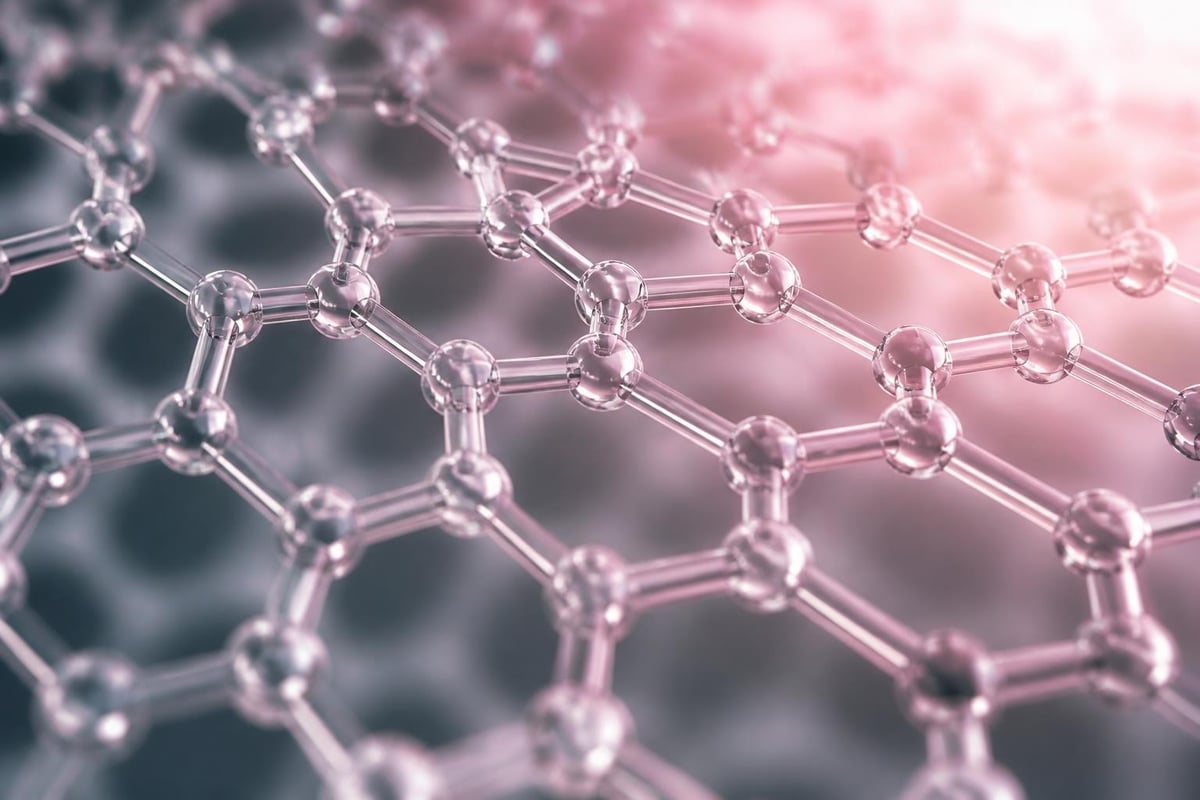
Recent discoveries, including a remarkable half-pink rough diamond weighing 37.4 carats found in Botswana, demonstrate the extraordinary geological conditions required to produce these gems. This bi-colored specimen illustrates how precise the formation environment must be, with even slight variations in pressure or temperature resulting in completely different outcomes.
Geographic Origins and Mining Locations
The rarity of the diamond pink diamond becomes even more apparent when examining their geographic distribution. The Argyle mine in Western Australia historically produced over 90% of the world's pink diamonds before its closure in 2020, fundamentally altering the supply dynamics. Today, pink diamonds emerge from limited sources including Tanzania, Russia, Brazil, and sporadic discoveries in South Africa and Canada.
| Mining Region | Annual Production | Color Intensity Range | Market Impact |
|---|---|---|---|
| Argyle (closed 2020) | Previously 50-60 carats | Primarily light to fancy intense | Supply scarcity increased values 30-40% |
| Tanzania | 5-10 carats | Light to fancy | Secondary source, inconsistent quality |
| Russia (Alrosa) | 3-5 carats | Mostly light pink | Limited commercial availability |
| Brazil | Less than 2 carats | Variable, often brownish undertones | Minimal market impact |
The permanent closure of Argyle has created an irreplaceable void in the market, with existing stones appreciating significantly as new supply dwindles to near extinction levels.
Color Grading and Quality Assessment
The GIA Pink Diamond Color Scale
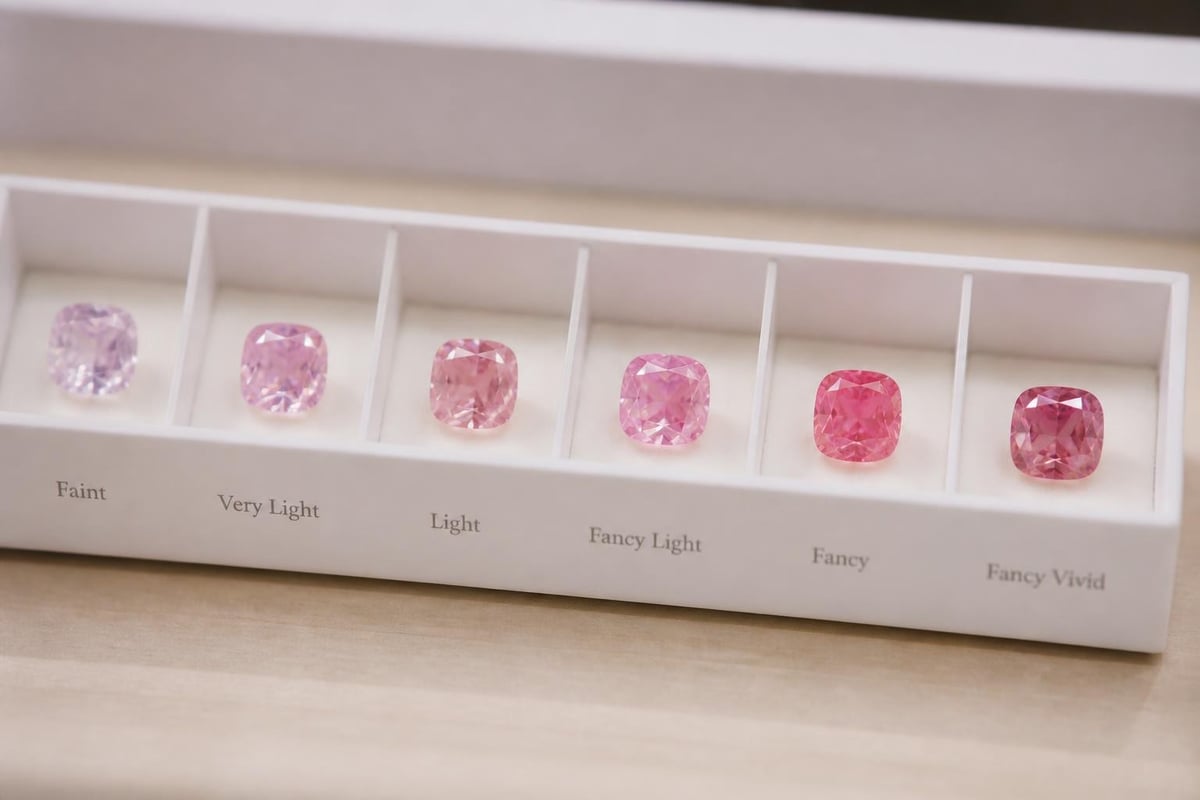
Professional evaluation of a diamond pink diamond requires sophisticated understanding of color grading systems. The Gemological Institute of America (GIA) employs a comprehensive scale ranging from Faint Pink to Fancy Vivid Pink, with each gradation representing exponential value differences. According to detailed pink diamond valuation standards, the intensity and purity of color serve as the primary value determinants.
Primary color grades include:
- Faint Pink – Barely detectable color requiring expert observation
- Very Light Pink – Subtle hue visible under standard viewing conditions
- Light Pink – Noticeable pink coloration with delicate saturation
- Fancy Light Pink – Clear pink color with moderate intensity
- Fancy Pink – Strong, definitive pink without qualifiers
- Fancy Intense Pink – Vivid saturation with excellent color strength
- Fancy Vivid Pink – Maximum color saturation, extremely rare
- Fancy Deep Pink – Rich, concentrated color approaching red territory
Secondary Hues and Modifiers
Pure pink diamonds without secondary hues command premium prices, though most specimens exhibit subtle undertones. Common modifiers include purplish pink, orangy pink, and brownish pink, with purplish pink generally considered the most desirable secondary combination. These nuances significantly impact both aesthetic appeal and market value.
When purchasing pink diamonds, collectors must carefully evaluate how secondary colors affect overall appearance. A Fancy Vivid Purplish Pink diamond often rivals pure Fancy Vivid Pink specimens in value, while brownish or grayish modifiers typically reduce desirability by 20-40% compared to pure hues.
Investment Potential and Market Dynamics
Historical Price Appreciation
The diamond pink diamond market has demonstrated remarkable resilience and growth over the past two decades. Investment analysis of colored diamonds reveals that top-quality pink diamonds appreciated by an average of 14-16% annually between 2005 and 2025, outperforming traditional investment vehicles including stocks, bonds, and even other colored diamonds.
Several factors drive this exceptional performance. The finite supply, particularly following Argyle's closure, creates inherent scarcity that supports long-term value appreciation. Additionally, growing wealth in Asian markets, especially China and India, has expanded the collector base while simultaneously reducing available inventory.
Auction Records and Market Benchmarks
Recent auction results underscore the extraordinary values achieved by exceptional pink diamonds. The "Pink Star," a 59.60-carat Fancy Vivid Pink diamond, sold for $71.2 million in 2017, establishing a per-carat record exceeding $1.19 million. In 2026, comparable specimens routinely achieve even higher multiples, with Fancy Vivid stones over five carats commanding prices between $1.5 and $2.5 million per carat.
| Quality Grade | Price Range Per Carat (2026) | Typical Size Range | Investment Grade |
|---|---|---|---|
| Fancy Light Pink | $50,000 - $150,000 | 0.50 - 2.00 ct | Entry level |
| Fancy Pink | $150,000 - $350,000 | 0.30 - 1.50 ct | Strong investment |
| Fancy Intense Pink | $350,000 - $800,000 | 0.25 - 1.00 ct | Premium investment |
| Fancy Vivid Pink | $800,000 - $2,500,000 | 0.20 - 0.75 ct | Ultra-premium |
For those exploring diamond investments, understanding what makes diamond jewelry appear expensive extends beyond just the center stone to include craftsmanship, setting quality, and overall design execution.
Selecting the Perfect Pink Diamond
Cut and Shape Considerations
Unlike colorless diamonds where cut quality primarily affects brilliance and fire, the diamond pink diamond requires strategic cutting to maximize color intensity. Cutters often prioritize color retention over ideal proportions, deliberately creating slightly deeper pavilions to intensify hue saturation. This approach explains why pink diamonds frequently appear in fancy shapes including cushion, radiant, and oval cuts rather than traditional round brilliants.
Popular shapes for pink diamonds:
- Cushion Cut – Emphasizes color saturation through larger facets
- Radiant Cut – Balances brilliance with color intensity
- Oval Cut – Elongates appearance while preserving color
- Pear Shape – Concentrates color at the point for dramatic effect
- Emerald Cut – Showcases pure color in step-cut facets
The cutting process involves careful planning to work with the rough stone's natural color zones, often sacrificing significant carat weight to achieve optimal color presentation. This reality contributes to the premium pricing structure, as a one-carat finished diamond pink diamond might require a two to three-carat rough crystal.
Clarity and Setting Recommendations
Clarity considerations differ for colored diamonds compared to their colorless counterparts. While eye-clean clarity remains desirable, the intense color of pink diamonds naturally camouflages minor inclusions, making VS2 to SI1 grades acceptable for most applications. The vibrant pink hue draws attention away from small imperfections that would be conspicuous in a colorless stone.
Setting choices significantly impact the diamond pink diamond's visual presentation. Rose gold and platinum settings both complement pink diamonds effectively, though the selection depends on color intensity. Lighter pink stones benefit from rose gold's warm undertones that enhance the pink appearance, while intense and vivid grades display beautifully against platinum's neutral backdrop.
For those considering comprehensive jewelry purchases, exploring engagement ring settings provides valuable context for how different mounting styles interact with colored gemstones.
Authentication and Certification
Essential Documentation Requirements
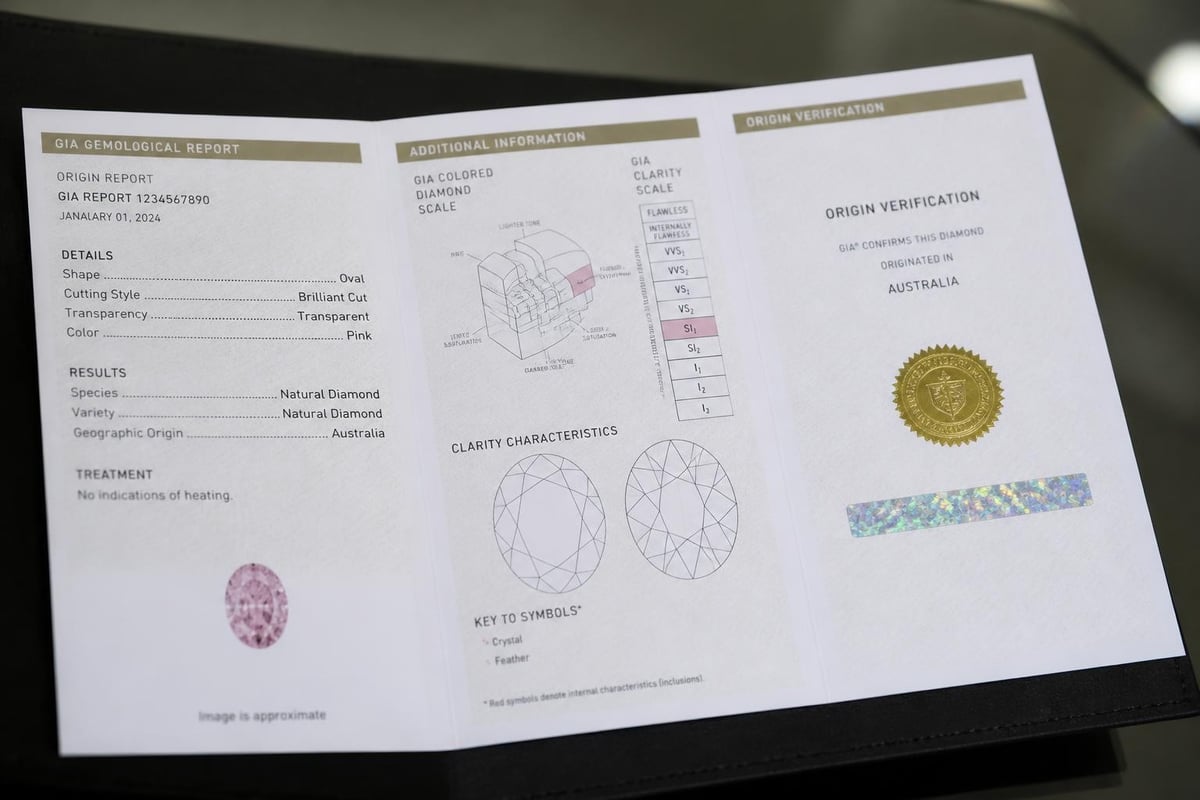
Purchasing a diamond pink diamond requires rigorous authentication through reputable gemological laboratories. The GIA remains the gold standard for pink diamond certification, providing detailed color grading, clarity assessment, and comprehensive documentation of all gemological characteristics. Their reports include precise color grade descriptions, clarity plotting, and measurements that serve as permanent identification records.
Critical certification elements include:
- Precise color grade with modifiers
- Color origin determination (natural vs. treated)
- Clarity grade with inclusion plotting
- Carat weight to three decimal places
- Cut grade and proportions analysis
- Fluorescence characteristics
- Laser inscription number when applicable
Secondary laboratories including AGS (American Gem Society) and HRD (Hoge Raad voor Diamant) also provide credible certifications, though GIA reports command higher market confidence. As discussed in our guide to GIA certified gems, independent third-party certification protects buyers from misrepresentation and provides essential documentation for insurance purposes.
Treatment Detection and Natural Verification
The market distinction between natural and treated pink diamonds dramatically affects value, with natural specimens commanding premiums of 300-500% over color-enhanced alternatives. Common treatments include irradiation followed by annealing, which can create pink coloration in originally colorless or brown diamonds. Advanced gemological testing including spectroscopy and microscopic examination detects these enhancements with certainty.
According to comprehensive pink diamond resources, natural pink diamonds display characteristic absorption patterns and internal features that distinguish them from treated stones. Reputable dealers always disclose treatments, but independent verification through certified laboratories remains essential for significant purchases.
Care and Maintenance Protocols
Preservation of Color and Clarity
Proper care ensures a diamond pink diamond maintains its beauty and value across generations. While diamonds rank as the hardest natural substance, they remain susceptible to chipping from sharp impacts along cleavage planes. Pink diamonds require the same careful handling as any fine jewelry, with specific attention to setting security and prong integrity.
Recommended maintenance practices:
- Professional inspection and cleaning every six months
- Ultrasonic cleaning only after confirming setting security
- Avoid exposure to harsh chemicals including chlorine and bleach
- Store separately in soft pouches to prevent surface abrasion
- Remove during physical activities that risk impact damage
- Annual prong retipping to prevent stone loss
Insurance coverage represents another critical aspect of ownership. Given the substantial values involved, specialized jewelry insurance through carriers experienced with high-value colored diamonds provides essential protection. Documentation including certification, appraisal, and professional photography supports claims and facilitates replacement if necessary.
Understanding broader jewelry care principles, as outlined in resources about diamond necklace selection, applies equally to pink diamond pieces regardless of mounting style.
Market Trends and Future Outlook
Supply Constraints and Demand Projections
The fundamental economics governing the diamond pink diamond market point toward continued value appreciation. With Argyle's closure eliminating the primary source and no comparable deposits discovered, existing inventory represents an essentially fixed supply. Meanwhile, global wealth expansion, particularly in developing markets, continuously increases demand from both collectors and investors.
Industry analysts project annual appreciation rates of 8-12% for investment-grade pink diamonds through 2030, with exceptional specimens potentially exceeding these benchmarks. This outlook assumes continued economic stability and sustained interest from Asian buyers, who currently account for approximately 60% of pink diamond acquisitions.
Expert perspectives from Sotheby's emphasize that the window for acquiring top-quality pink diamonds at current prices continues narrowing as available inventory diminishes. This dynamic particularly affects stones exceeding one carat in Fancy Intense or Fancy Vivid grades, where supply has essentially frozen while demand intensifies.
Emerging Market Dynamics
Recent market developments include growing acceptance of pink diamonds in non-traditional jewelry applications. While engagement rings historically dominated pink diamond usage, contemporary designers increasingly incorporate these gems into statement necklaces, cocktail rings, and high-jewelry creations. This diversification expands the market while creating new price points accessible to broader audiences.
The comparison between lab-grown and natural diamonds remains relevant, though laboratory-grown pink diamonds currently represent a negligible market segment. The complex structural requirements for natural pink coloration have proven difficult to replicate consistently in laboratory settings, maintaining natural pink diamonds' unique position.
Celebrity Influence and Cultural Significance
Notable Pink Diamond Jewelry
High-profile acquisitions of diamond pink diamond jewelry generate significant market attention and influence broader trends. Ben Affleck's 2002 purchase of a 6.1-carat pink diamond engagement ring for Jennifer Lopez established these gems in popular culture, while more recent celebrity choices continue reinforcing their desirability and status.
Famous pink diamonds include the Graff Pink (24.78 carats, sold for $46.2 million), the Sweet Josephine (16.08 carats), and the historic Princie Diamond (34.65 carats). These remarkable specimens inspire collectors while demonstrating the extraordinary values achieved by museum-quality examples.
Cultural Perceptions and Symbolism
Pink diamonds symbolize romance, femininity, and exceptional refinement, making them particularly popular for milestone celebrations and significant life events. Their rarity elevates them beyond conventional luxury items into the realm of true collector pieces and family heirlooms. This cultural positioning supports sustained demand independent of broader economic cycles.
When considering engagement ring choices for 2026, pink diamonds represent the ultimate expression of individuality and sophisticated taste, appealing to couples seeking alternatives to traditional colorless stones.
Practical Acquisition Strategies
Working with Specialized Dealers
Acquiring a diamond pink diamond requires partnering with dealers who maintain expertise in colored diamonds and access to quality inventory. Established jewelers with decades of experience in fine gemstones provide invaluable guidance regarding color assessment, fair pricing, and long-term value considerations. These relationships prove particularly important given the specialized knowledge required to properly evaluate pink diamonds.
Questions to ask potential dealers:
- What percentage of inventory consists of certified natural colored diamonds?
- Can you provide recent comparable sales data for similar stones?
- What authentication and return policies protect buyers?
- Do you offer trade-in or upgrade programs for future acquisitions?
- What relationships exist with major auction houses for resale opportunities?
Transparency regarding pricing, certification, and treatment disclosure separates reputable dealers from less scrupulous operators. Establishing trust through references, industry credentials, and verifiable transaction histories protects significant investments.
Budget Optimization Techniques
Strategic buyers can maximize value by understanding how various factors affect pricing. Stones at grade boundaries (for example, borderline between Fancy Light and Fancy) sometimes offer value opportunities, as do shapes that concentrate color effectively while maintaining modest carat weights. Additionally, accepting VS2 or SI1 clarity grades instead of insisting on VVS quality typically saves 25-35% while maintaining visual appeal.
| Strategy | Potential Savings | Impact on Quality | Best For |
|---|---|---|---|
| Border grade selection | 15-20% | Minimal visual difference | Experienced buyers |
| Accept lower clarity | 25-35% | None if eye-clean | Most applications |
| Choose fancy shapes | 10-15% | Enhanced color display | Design flexibility |
| Smaller carat weight | 40-50% (per carat basis) | Proportional to size | Budget constraints |
The decision between natural and lab-grown options affects pink diamond purchases differently than colorless stones, as laboratory pink diamonds remain rare and often cost comparable amounts to natural specimens due to production challenges.
The diamond pink diamond represents the convergence of geological rarity, exceptional beauty, and investment potential, creating one of the most compelling opportunities in fine jewelry today. Whether acquired for personal enjoyment or portfolio diversification, these extraordinary gems deliver lasting value and timeless elegance. La Maison Val D'or specializes in curating exceptional pink diamonds and colored gemstones, offering expert guidance and access to rare specimens that meet the highest standards of quality and authenticity. Explore their collection to discover how these remarkable treasures can enhance your jewelry portfolio with pieces designed to appreciate across generations.