
The term "d stones" refers to gemstones that have achieved the highest possible color grade in professional grading systems, representing absolute colorlessness and exceptional purity. For collectors and connoisseurs seeking the finest quality in precious stones, understanding d stones opens the door to appreciating the most elite tier of gemstones available in the luxury market. This classification system, particularly prominent in diamond grading, sets the benchmark for what constitutes a truly flawless stone in terms of color characteristics.
Understanding the D Color Grading System
The Gemological Institute of America established the D-to-Z color grading scale specifically to create a standardized method for evaluating diamond color. D stones occupy the most prestigious position on this scale, representing stones with absolutely no detectable color when examined by trained gemologists under controlled lighting conditions.
Why D and not A? The grading system deliberately starts with D to avoid confusion with previously used systems that employed A, B, and C grades. This fresh start ensured clarity in the industry and prevented misunderstandings about stone quality.
Key Characteristics of D Stones
When evaluating d stones, several critical factors determine their classification:
- Complete absence of color when viewed face-up and face-down
- Chemical purity that prevents any color-causing elements
- Exceptional light performance due to optimal transparency
- Premium pricing reflecting their rarity in natural formation
- Investment value that typically appreciates over time
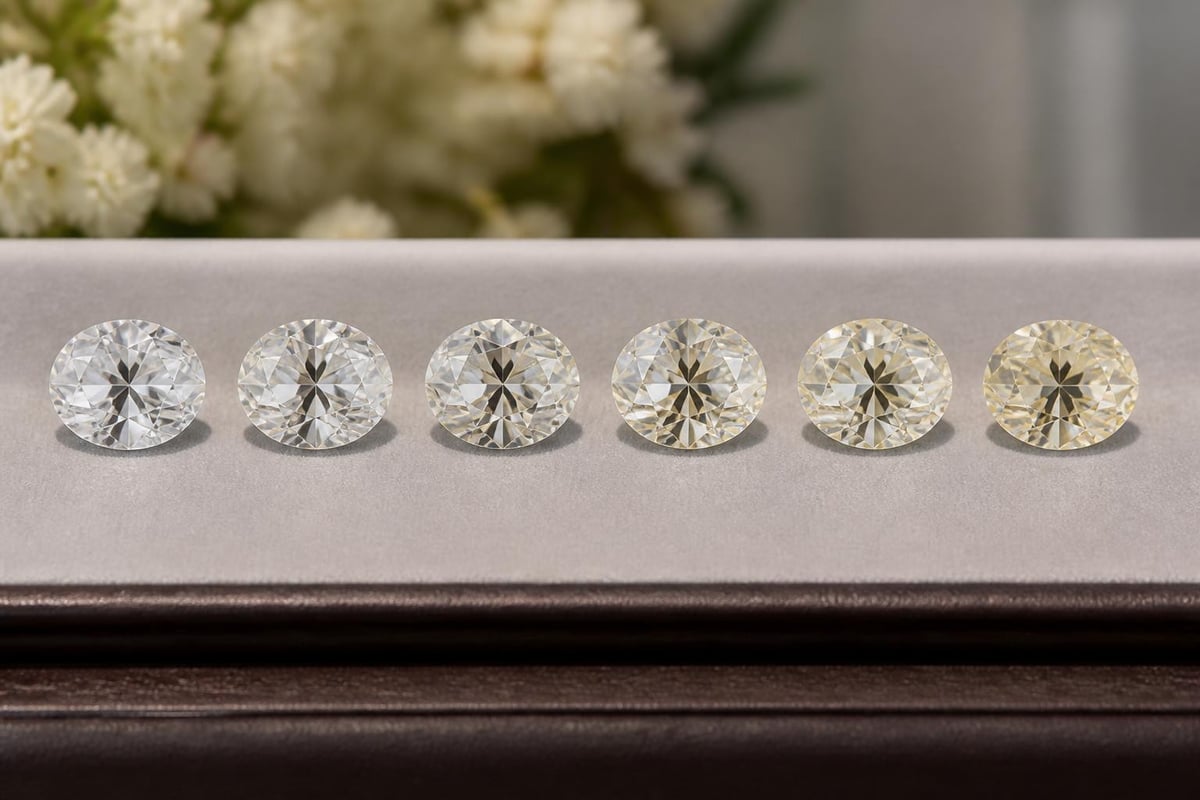
The distinction between a D stone and an E or F stone may seem negligible to the untrained eye, yet experienced gemologists can identify these subtle differences. These variations significantly impact value, with D color diamonds commanding premium prices in the marketplace.
D Stones in Diamond Jewelry
Within the diamond market, d stones represent approximately two percent of all natural diamonds mined globally. This scarcity contributes directly to their elevated market position and desirability among collectors who prioritize absolute quality.
Rarity and Market Value
| Grade | Prevalence | Price Premium | Visibility to Naked Eye |
|---|---|---|---|
| D | 2% of diamonds | Highest | Virtually identical to E/F |
| E | 3% of diamonds | Very High | Minimal difference |
| F | 4% of diamonds | High | Slight difference |
| G-H | 15% of diamonds | Moderate | Noticeable to trained eye |
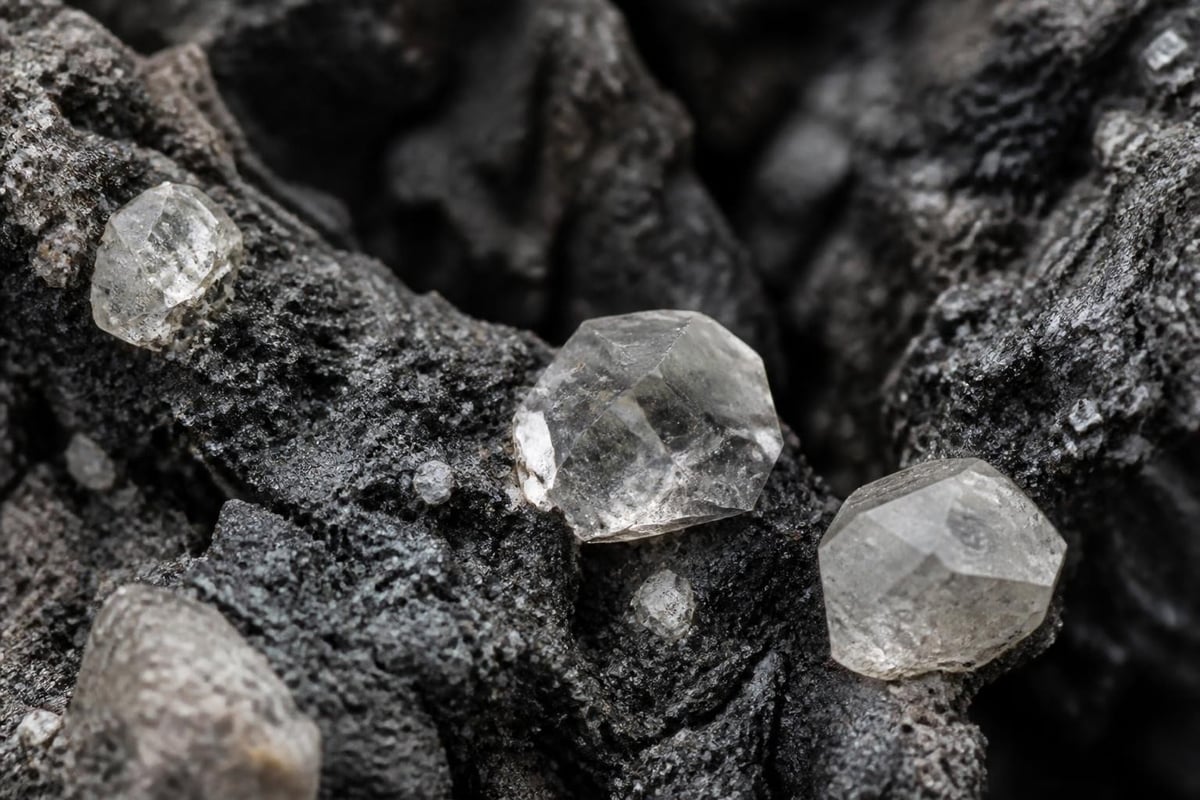
Natural d stones form under specific geological conditions where carbon crystallizes without nitrogen or other impurities that would introduce color. The formation process requires precise temperature, pressure, and chemical composition maintained over millions of years.
Professional jewelers like those at La Maison Val D'or carefully source d stones for clients seeking the ultimate in gemstone quality. The selection process involves rigorous examination and certification from recognized gemological laboratories.
Investment Considerations
Purchasing d stones represents both an aesthetic choice and a financial decision. Several factors influence their investment potential:
- Certification authenticity from GIA, AGS, or other reputable laboratories
- Clarity grade combination with color grade for overall value
- Cut quality maximizing the stone's inherent optical properties
- Carat weight affecting both appearance and market value
- Market timing and economic conditions influencing luxury goods
The characteristics of D IF diamonds showcase how color and clarity work together to create the most sought-after stones in the world. When these two factors align at their highest grades, the resulting gemstone becomes exceptionally rare.
D Stones Beyond Diamonds
While diamonds dominate discussions of d stones, other gemstones also utilize similar grading systems to denote their finest quality levels. Understanding these applications provides broader context for appreciating excellence across various precious stones.
Tanzanite D Block Classification
Tanzanite from the D Block of the Merelani Hills in Tanzania has generated significant interest among gemstone enthusiasts. This D Block tanzanite comes from a specific mining area believed by some to produce superior color saturation and clarity.
Notable characteristics include:
- Deeper blue-violet coloration compared to other blocks
- Enhanced pleochroism showing multiple color perspectives
- Geographic scarcity limiting availability
- Premium pricing reflecting collector demand
The D Block designation differs from the diamond D color grade, instead referencing the physical location of extraction. This distinction matters when evaluating tanzanite quality and understanding pricing structures.
Evaluating D Stones for Purchase
Acquiring d stones requires knowledge, patience, and access to reputable sources. The evaluation process involves multiple stages of verification and assessment to ensure authenticity and value.
Certification and Documentation
Every legitimate d stone should arrive with comprehensive documentation from recognized gemological laboratories. This paperwork serves as both authentication and detailed quality record.
| Laboratory | Reputation | Report Details | Industry Recognition |
|---|---|---|---|
| GIA | Gold standard | Comprehensive analysis | Universal acceptance |
| AGS | Excellent | Cut-focused evaluation | High recognition |
| IGI | Very good | International presence | Widely accepted |
| HRD | Very good | European standard | Strong reputation |
Review certificates carefully, checking for consistency between the stone's physical characteristics and documented specifications. Discrepancies may indicate issues with authenticity or quality representation.
Visual Inspection Techniques
Professional examination of d stones involves systematic observation under controlled conditions:
- Examine under multiple lighting sources including daylight, incandescent, and fluorescent
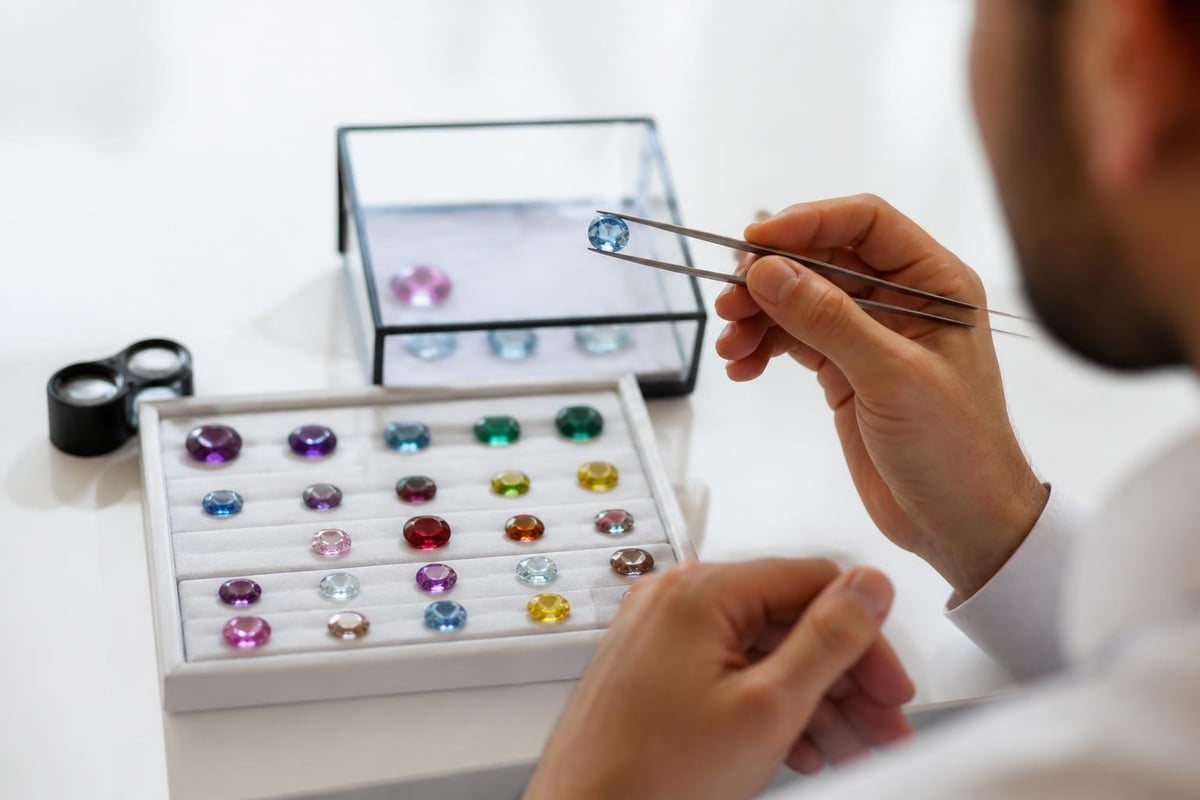
- Compare against master stones of known grades
- Assess from multiple angles to evaluate consistency
- Use magnification tools to identify internal characteristics
- Review in neutral settings without colored backgrounds
When shopping for exceptional pieces at establishments specializing in fine jewelry collections, request to view stones under professional lighting conditions. This transparency ensures informed decision-making.
The Science Behind D Stones
Understanding what creates d stones reveals why they command premium positioning in gemstone markets. The geological and chemical factors producing these exceptional specimens occur rarely in nature.
Formation Requirements
Perfect colorlessness in diamonds requires crystallization environments completely free from nitrogen, the most common color-causing element in natural diamonds. During formation deep within the Earth's mantle, specific conditions must align:
- Temperatures between 900-1300 degrees Celsius
- Pressures exceeding 45 kilobars
- Pure carbon sources without trace element contamination
- Sufficient time for complete crystallization, often exceeding one billion years
These stringent requirements explain why d stones represent such a small fraction of all diamonds formed naturally. The precise combination of factors rarely occurs, making each d stone a geological marvel.
Chemical Purity Analysis
Modern spectroscopy allows gemologists to analyze the chemical composition of d stones with unprecedented precision. Type IIa diamonds, which represent the purest diamonds chemically, often achieve D color grades due to their lack of nitrogen impurities.
Type IIa characteristics:
- Less than 0.001% nitrogen content
- Superior thermal conductivity
- Enhanced transparency to ultraviolet light
- Exceptional optical clarity
- Historical significance as the rarest diamond type
D Stones in High Jewelry Design
Incorporating d stones into jewelry designs requires expertise that honors their exceptional quality while creating wearable art. Master jewelers approach these stones with reverence, understanding their role in creating heirloom pieces.
Setting Considerations
The choice of metal and setting style significantly impacts how d stones present in finished jewelry:
- Platinum settings complement colorless stones without color reflection
- White gold provides cost-effective alternatives with similar aesthetics
- Prong settings maximize light entry for optimal brilliance
- Bezel settings offer protection while showcasing the stone's face
- Halo designs enhance apparent size while adding sparkle
Expert designers at boutiques specializing in exquisite necklaces understand how to showcase d stones to maximize their inherent beauty. The metal choice, setting height, and surrounding design elements all contribute to the final presentation.
Design Philosophy
Creating jewelry featuring d stones involves balancing several aesthetic principles:
- Letting the stone dominate the overall design vision
- Selecting complementary accent stones that enhance rather than compete
- Choosing proportionate settings appropriate to stone size
- Considering wearability for the intended use occasion
- Planning for longevity through quality craftsmanship
Timeless designs prove most appropriate for d stones, as their exceptional quality deserves settings that remain stylistically relevant across generations. Classic solitaires, elegant three-stone arrangements, and refined pavé settings consistently honor these precious stones.
Market Trends and D Stones
The market for d stones continues evolving as consumer preferences, economic conditions, and supply factors shift. Understanding current trends helps buyers make informed decisions aligned with both personal taste and investment considerations.
Current Market Dynamics
Recent years have witnessed increased interest in d stones among younger luxury consumers seeking quality over quantity. This demographic shift emphasizes:
- Transparency in sourcing and ethical considerations
- Certification importance for authentication and value
- Customization options reflecting personal style
- Investment perspective viewing jewelry as asset class
- Digital purchasing complementing traditional retail
Economic analyses, including research on precious stone pricing, demonstrate how d stones maintain value stability relative to lower-grade alternatives. This resilience makes them attractive for those viewing fine jewelry as both adornment and investment.
Supply and Demand Factors
| Factor | Impact on D Stones | Market Effect |
|---|---|---|
| Mining output | Declining in key regions | Price support |
| Consumer demand | Growing in emerging markets | Increased competition |
| Laboratory alternatives | Expanding availability | Market segmentation |
| Economic conditions | Affecting luxury spending | Cyclical fluctuations |
Natural d stones face growing competition from laboratory-grown alternatives that can achieve identical D color grades. While chemically identical, natural stones maintain significant premium due to rarity, formation timeline, and traditional value perception. Those interested in laboratory options might explore resources like the lab-grown diamond buying guide for comprehensive information.
Caring for D Stones
Maintaining the pristine condition of d stones requires appropriate care protocols that preserve their exceptional characteristics. Proper maintenance ensures these investments retain both beauty and value across generations.
Daily Care Practices
Regular maintenance prevents accumulation of oils, lotions, and environmental debris that can diminish a stone's appearance:
- Remove jewelry during manual tasks to prevent physical damage
- Store pieces separately to avoid scratching from contact
- Clean regularly using appropriate methods for the specific setting
- Inspect mountings periodically to ensure secure stone placement
- Avoid chemical exposure from household cleaners and cosmetics
Professional cleaning at least annually allows jewelers to examine settings thoroughly while restoring optimal brilliance to d stones. Many fine jewelers offer complimentary cleaning services for pieces purchased through their establishments.
Professional Maintenance
Beyond home care, professional services provide essential maintenance:
- Ultrasonic cleaning for thorough debris removal
- Prong tightening to maintain secure settings
- Polish restoration addressing minor metal scratches
- Comprehensive inspection identifying potential issues
- Re-certification updating documentation as needed
Establishments like those offering premium bracelets and other fine jewelry typically provide ongoing care services, recognizing that exceptional pieces deserve exceptional maintenance.
Authentication and Verification
With significant value concentrated in d stones, authentication becomes paramount. Understanding verification methods protects buyers from misrepresentation and ensures investment security.
Laboratory Analysis
Professional gemological laboratories employ sophisticated equipment to verify d stones:
- Spectroscopy analyzing chemical composition
- Microscopy examining internal characteristics
- Photometry measuring color with precision instruments
- X-ray analysis determining crystal structure
- Fluorescence testing revealing growth patterns
These scientific methods provide objective data supporting grade assignments. Reputable sellers provide certificates from recognized laboratories rather than relying solely on their own assessments.
Common Misrepresentation Issues
Buyers should remain vigilant about potential misrepresentation:
- Grade inflation claiming higher color grades than justified
- Treated stones sold as natural without disclosure
- Synthetic stones presented as natural without clarification
- Certificate falsification creating fraudulent documentation
- Lighting manipulation masking true color characteristics
Purchasing from established jewelers with strong reputations minimizes these risks. Organizations specializing in fine jewelry and gemstones stake their reputations on accurate representation and transparent disclosure.
Future of D Stones
Looking ahead, several factors will shape the d stones market through 2026 and beyond. Technology, consumer preferences, and supply dynamics all influence future trajectories for these exceptional gemstones.
Technological Impact
Advancing technology affects both production and evaluation of d stones:
- Enhanced detection methods for treatments and synthetics
- Improved cutting techniques maximizing yield from rough material
- Digital certification using blockchain for authentication
- Virtual try-on technology facilitating online purchasing
- Laboratory growth methods producing perfect D color grades
These innovations democratize access to d stones while simultaneously raising questions about natural stone premiums. The market continues differentiating between natural and created stones, with distinct value propositions for each category.
Sustainability Considerations
Environmental and ethical concerns increasingly influence luxury purchasing decisions. D stones from verified sustainable sources command attention from conscientious consumers who value:
- Traceable origin documentation from mine to market
- Environmental responsibility in extraction practices
- Fair labor conditions throughout the supply chain
- Community investment supporting mining region development
- Transparency in all sourcing and handling processes
The industry continues developing systems that verify sustainability claims, providing buyers with confidence that their d stones reflect both quality and values. These considerations particularly resonate with younger luxury consumers who integrate personal ethics into purchasing decisions.
Understanding d stones opens appreciation for the pinnacle of gemstone quality, where absolute colorlessness meets exceptional rarity. Whether selecting a statement piece or building an investment portfolio, these top-tier stones represent enduring value and timeless beauty. For those seeking expertly curated d stones set in exquisite designs that honor their exceptional quality, La Maison Val D'or offers personalized guidance and access to the finest specimens, ensuring each acquisition becomes a treasured addition to your collection.