
Alexandrite loose stones represent one of the most captivating and valuable additions to any fine jewelry collection. These extraordinary gemstones possess a remarkable color-change property that has fascinated collectors and connoisseurs since their discovery in Russia's Ural Mountains in the 1830s. For discerning clients of ultra-fine jewelry houses, understanding the nuances of alexandrite loose stones enables informed acquisition decisions that balance aesthetic appeal with investment potential. The rarity and optical phenomenon of these gemstones position them among the most sought-after colored stones in the luxury market.
Understanding the Color-Change Phenomenon
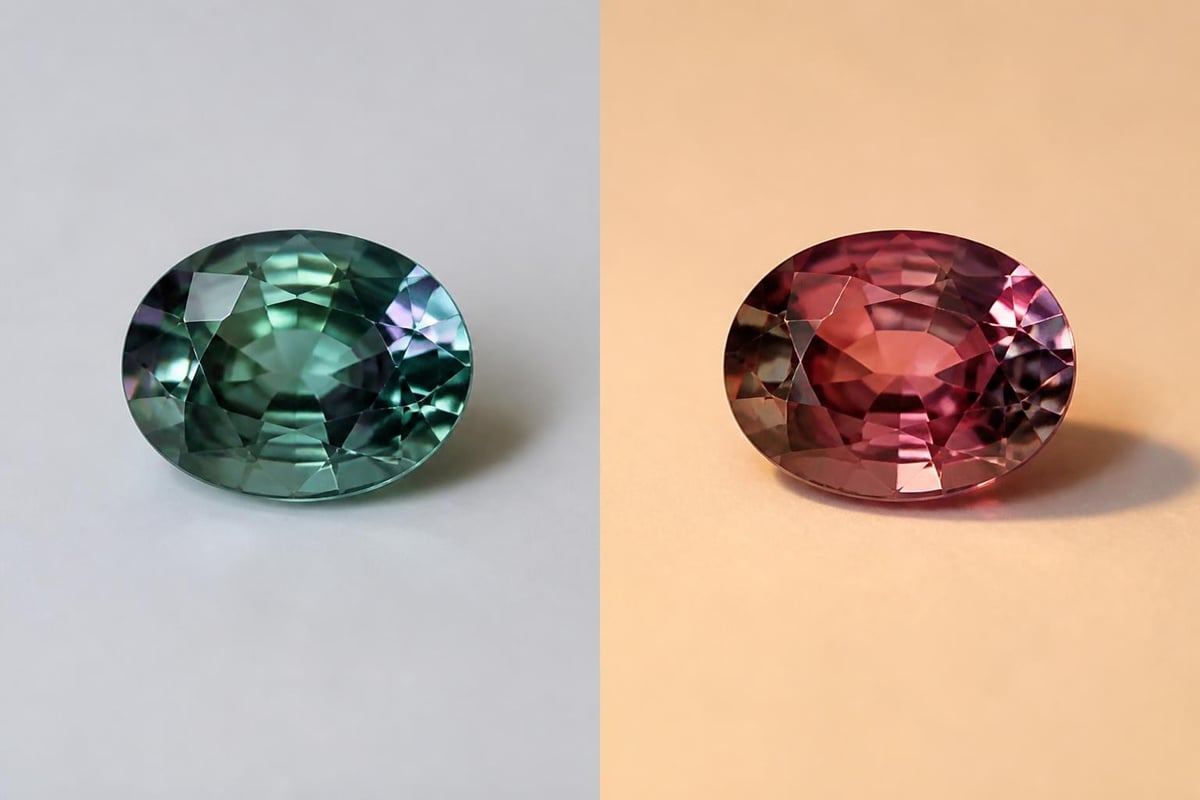
The defining characteristic of alexandrite loose stones is their dramatic color shift under different lighting conditions. This optical phenomenon occurs due to the presence of chromium within the crystal structure, which absorbs certain wavelengths of light while transmitting others. In daylight or fluorescent lighting, quality alexandrite displays vibrant green to bluish-green hues, while incandescent or candlelight reveals rich red to purplish-red tones.
Scientific Basis of Color Change
The color-change mechanism in alexandrite stems from its unique chemical composition as a variety of chrysoberyl. The gemstone's pleochroism and selective light absorption create this distinctive transformation, with the finest specimens demonstrating a complete transition from emerald green in daylight to ruby red under incandescent illumination.
The intensity and completeness of this color change directly impacts value. Stones exhibiting a 100% color shift command significantly higher prices than those with partial or muted transformations. Collectors should examine alexandrite loose stones under multiple light sources to assess the quality and strength of this phenomenon.
Quality Factors in Alexandrite Loose Stones
Evaluating alexandrite requires expertise in gemological assessment and understanding of market value determinants. The finest alexandrite loose stones balance multiple quality factors that collectively establish their position in the luxury gemstone hierarchy.
Color Quality and Saturation
Primary quality indicators include:
- Daylight color: Ideal stones display pure, saturated green without brown or gray undertones
- Incandescent color: Premium specimens show vivid red to purplish-red hues
- Color change strength: Complete transformation indicates superior quality
- Saturation levels: Highly saturated colors in both conditions maximize value
The geographic origin significantly influences color characteristics. Russian alexandrite traditionally exhibits the strongest color change with pure green-to-red transformation, while Brazilian stones often show bluish-green to purplish-red shifts. African sources, particularly from Tanzania and Madagascar, produce alexandrite loose stones with varying color intensities and change percentages.
Clarity and Cut Considerations
| Quality Factor | Premium Grade | Commercial Grade | Impact on Value |
|---|---|---|---|
| Clarity | Eye-clean to VVS | Visible inclusions | 40-60% price variation |
| Cut Quality | Precision faceting | Standard commercial | 20-30% price difference |
| Color Change | 90-100% | 50-70% | 100-200% premium |
| Saturation | Vivid/Intense | Moderate | 30-50% variation |
Clarity in alexandrite loose stones varies considerably based on origin and formation conditions. While inclusions are more accepted in alexandrite than in diamonds, eye-clean specimens command substantial premiums. Common inclusions include needle-like crystals, fingerprint patterns, and healed fractures. These characteristics, when documented by gemological laboratories, provide authentication and origin verification.
Rarity and Market Positioning
The extraordinary scarcity of alexandrite loose stones establishes their position among the world's rarest gemstones. Scientific analysis reveals that alexandrite is even rarer than diamonds due to the specific geological conditions required for formation. This rarity directly correlates with market value and investment potential.
Global Sources and Availability
1. Russian Deposits (Ural Mountains)
- Historical significance as original discovery location
- Extremely limited production in contemporary markets
- Stones above two carats command six-figure prices
- Superior color-change characteristics establish market benchmarks
2. Brazilian Sources
- Steady production since the 1980s
- Larger carat weights more commonly available
- Bluish-green to purplish-red color profile
- More accessible pricing for quality specimens
3. African Origins
- Tanzania, Madagascar, and Zimbabwe production
- Variable quality across deposits
- Growing importance in global supply
- Competitive pricing for commercial grades
4. Sri Lankan Material
- Limited quantities with distinctive characteristics
- Often displays brown modifiers
- Historical significance in gemstone markets
- Specialized collector interest
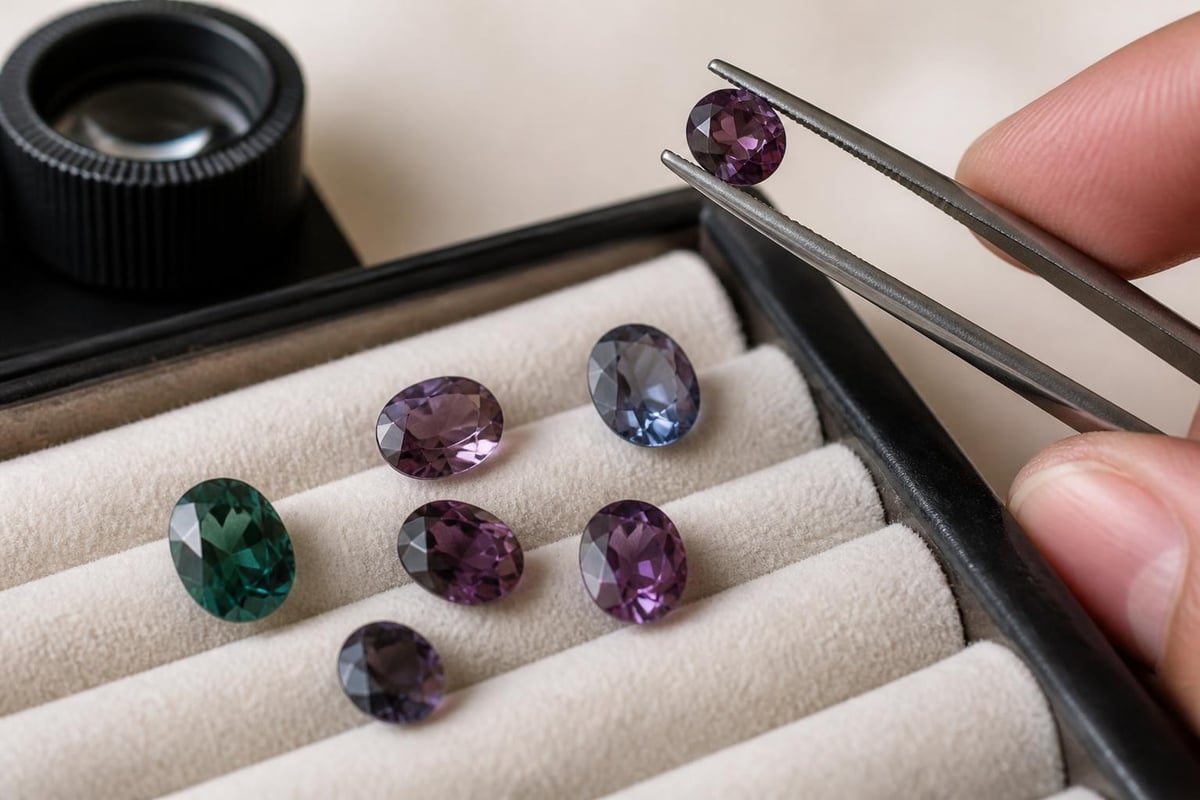
The global supply of alexandrite loose stones remains constrained, with annual production measured in kilograms rather than tons. This fundamental scarcity ensures sustained demand among collectors and investors seeking rare colored gemstones for their curated collections of fine jewelry.
Investment Considerations for Collectors
Acquiring alexandrite loose stones as investment pieces requires strategic evaluation of market trends, quality parameters, and long-term value potential. The intersection of rarity, beauty, and collector demand creates favorable conditions for appreciation.
Pricing Structure and Value Determinants
Premium alexandrite loose stones with strong color change, excellent clarity, and Russian origin can command prices ranging from $15,000 to $70,000 per carat for stones above one carat. Commercial-grade material from Brazilian and African sources provides entry points between $3,000 and $12,000 per carat, depending on quality factors.
Price influencers include:
- Origin verification through gemological certification
- Carat weight, with exponential pricing above two carats
- Color change percentage and intensity
- Clarity grade and inclusion characteristics
- Cut quality and proportional optimization
- Treatment status (untreated stones command premiums)
Certification and Authentication
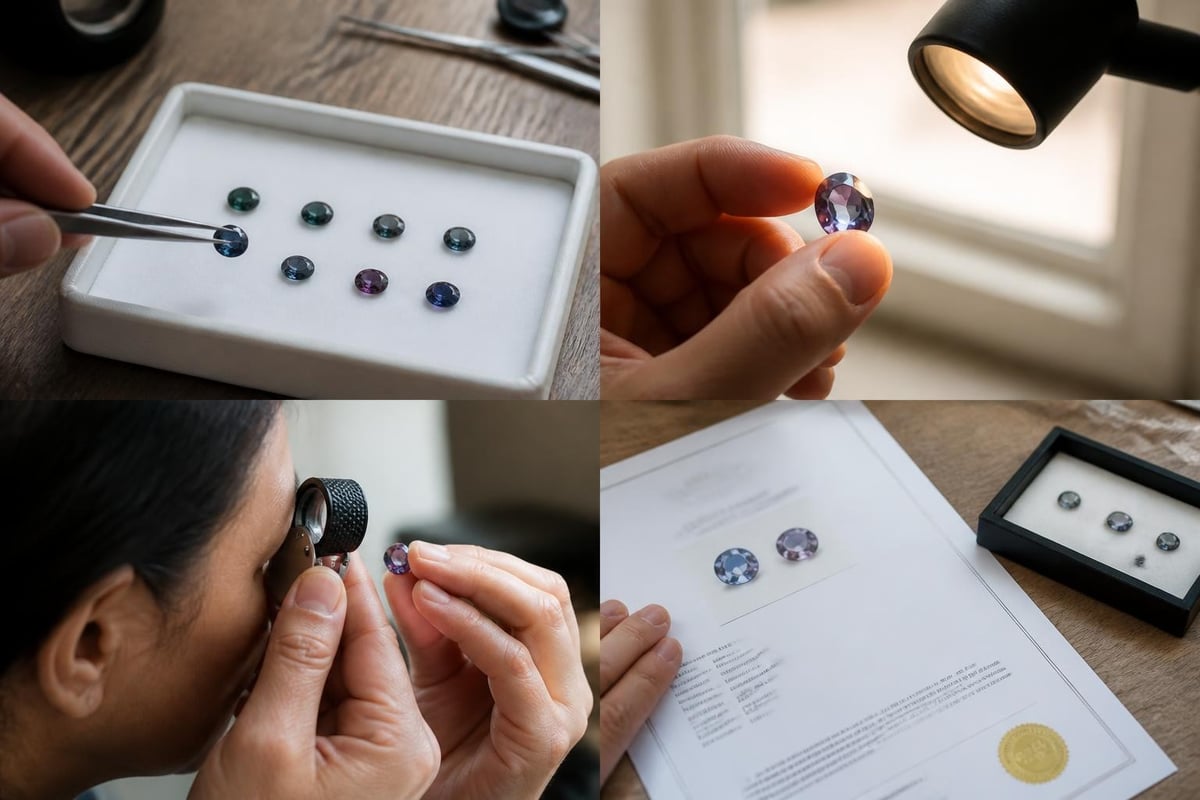
Reputable gemological laboratories provide essential documentation for alexandrite loose stones. Certificates from GIA, AGL, or Gübelin establish provenance, verify natural origin, and document quality parameters. This documentation proves critical for insurance purposes, resale transactions, and portfolio management.
Understanding gemstone certification enables collectors to make informed acquisition decisions and avoid treated or synthetic materials. Natural alexandrite commands substantial premiums over laboratory-grown alternatives, making authentication crucial for investment-grade purchases.
Synthetic and Treatment Considerations
The market includes both natural and laboratory-grown alexandrite, with significant price distinctions between categories. Synthetic alexandrite possesses identical chemical and optical properties to natural material but lacks the rarity premium and investment characteristics of earth-mined stones.
Identifying Natural Alexandrite
Natural alexandrite loose stones display characteristic inclusions and growth patterns observable under magnification. These features include:
- Two-phase inclusions typical of natural chrysoberyl
- Silk-like needle patterns from rutile crystals
- Fingerprint inclusions from healed fractures
- Angular growth zoning visible under magnification
Professional gemological examination distinguishes natural from synthetic material through inclusion analysis, spectroscopy, and growth pattern assessment. Collectors should insist on certification from recognized laboratories when acquiring investment-grade alexandrite loose stones.
Treatment Protocols
Unlike many colored gemstones, alexandrite rarely undergoes enhancement treatments. The exceptional hardness (8.5 on the Mohs scale) and stable crystal structure make heat treatment ineffective, and the rarity of natural material discourages potentially damaging procedures. Untreated status represents the standard expectation for quality alexandrite loose stones.
Acquisition Strategies for Discerning Collectors
Building a collection of alexandrite loose stones requires patience, expertise, and access to reputable sources. The limited availability of premium material necessitates strategic acquisition approaches and market knowledge.
Evaluating Source Relationships
Established relationships with specialized gemstone dealers provide access to exceptional alexandrite loose stones before they reach broader markets. Houses specializing in curated collections maintain networks with miners, cutters, and estate sources that yield opportunities for acquiring rare specimens.
Selection criteria should include:
- Verification of natural origin through certification
- Assessment under multiple light sources
- Evaluation of color change strength and completeness
- Clarity grading and inclusion mapping
- Proportional analysis and cut quality
- Origin documentation when available
- Price comparison against market benchmarks
Portfolio Diversification
Sophisticated collectors approach alexandrite loose stones as components of diversified gemstone portfolios. Acquiring stones across size ranges, origins, and quality grades provides market exposure while managing concentration risk. Specimens between one and three carats offer liquidity advantages, while larger stones above five carats represent trophy acquisitions with museum-quality appeal.
Setting and Design Applications
While this discussion focuses on loose stones, understanding ultimate application influences acquisition decisions. Alexandrite loose stones destined for custom jewelry creation require different selection criteria than investment holdings or collection specimens.
Design Considerations
| Application | Recommended Size | Quality Priority | Setting Type |
|---|---|---|---|
| Rings | 1-3 carats | Durability focus | Protective bezels |
| Pendants | 2-5 carats | Maximum visibility | Open settings |
| Earrings | 0.5-2 carats per stone | Matched pairs | Secure mountings |
| Investment | 3+ carats | Certification essential | Climate-controlled storage |
The exceptional hardness of alexandrite makes it suitable for rings and daily-wear jewelry, unlike softer colored stones requiring protective settings. This durability enhances long-term value retention and expands design possibilities for custom creations.
Care and Maintenance Protocols
Proper stewardship of alexandrite loose stones preserves their beauty and investment value. While alexandrite ranks among the most durable gemstones, appropriate handling and storage practices prevent unnecessary risks.
Storage Recommendations
Individual compartments prevent contact damage
- Separate packaging for each stone
- Climate-controlled environment maintenance
- Protection from extreme temperature fluctuations
- Documentation storage with gemological certificates
Cleaning procedures:
- Use lukewarm water with mild soap
- Soft brush application for surface cleaning
- Thorough rinsing to remove residue
- Gentle drying with lint-free cloth
- Avoid ultrasonic cleaners for included stones
Insurance and Documentation
Comprehensive insurance coverage protects against loss, theft, or damage. Updated appraisals every three to five years reflect market appreciation and ensure adequate coverage limits. Photographic documentation under both daylight and incandescent lighting creates visual records for identification and claims purposes.
Market Trends and Future Outlook
The alexandrite market demonstrates sustained strength supported by fundamental supply constraints and growing collector recognition. Limited new deposits and increasing demand from emerging luxury markets create favorable conditions for value appreciation.
Supply Dynamics
Russian production remains minimal, with historical deposits largely exhausted. Brazilian sources provide the most consistent supply, though quality varies significantly. African production shows promise but lacks the consistency and color characteristics of traditional sources. This supply picture ensures continued scarcity for premium alexandrite loose stones.
Demand Factors
Growing wealth in Asia, particularly China and India, drives increased demand for rare colored gemstones. Alexandrite's dramatic color change resonates with collectors seeking distinctive pieces beyond traditional diamond-focused acquisitions. Museum exhibitions and educational initiatives raise awareness of alexandrite's unique characteristics, expanding the collector base.
Market indicators suggest:
- Continued price appreciation for premium material
- Stable demand across quality grades
- Growing interest in certified, documented stones
- Expanding custom jewelry applications
- Increased focus on provenance and origin
Technical Specifications and Gemological Data
Understanding the technical characteristics of alexandrite enhances evaluation capabilities and authentication processes. Detailed mineralogical properties inform quality assessment and market positioning.
Physical Properties
- Chemical composition: BeAl₂O₄ (beryllium aluminum oxide)
- Crystal system: Orthorhombic
- Hardness: 8.5 on Mohs scale
- Specific gravity: 3.70-3.78
- Refractive index: 1.746-1.755
- Birefringence: 0.008-0.010
- Pleochroism: Strong (green, orange-red, purple-red)
These measurable characteristics enable gemologists to distinguish alexandrite from simulants and verify natural origin. Collectors benefit from understanding these technical parameters when reviewing gemological certificates and evaluating acquisition opportunities.
Optical Characteristics
The pleochroic nature of alexandrite loose stones means they display different colors when viewed from different crystallographic directions. This property, combined with the color-change phenomenon, creates complex optical effects that distinguish premium specimens. Skilled cutting maximizes both the color change and overall brilliance by orienting the crystal to optimize light interaction.
Building a Collection Strategy
Successful alexandrite acquisition requires methodical planning and market knowledge. Collectors should establish clear objectives, quality thresholds, and budget parameters before entering the market.
Strategic Acquisition Framework
Phase One: Education and Market Analysis
- Study market pricing across quality grades
- Examine certified stones to calibrate quality expectations
- Establish relationships with reputable dealers
- Review auction results for comparable specimens
Phase Two: Initial Acquisitions
- Begin with certified stones from established sources
- Focus on one to two carat range for liquidity
- Prioritize strong color change over size
- Document all purchases with photography and certification
Phase Three: Portfolio Expansion
- Add larger stones as budget permits
- Consider multiple origins for diversification
- Acquire matched pairs for jewelry applications
- Evaluate estate pieces for value opportunities
Long-term Value Preservation
Alexandrite loose stones require minimal maintenance but benefit from periodic professional examination. Gemological reassessment every five to seven years verifies condition, updates documentation, and provides current market valuations. This systematic approach preserves both the physical integrity and investment value of collection holdings.
Alexandrite loose stones offer discerning collectors an exceptional combination of natural rarity, optical phenomenon, and investment potential. The systematic evaluation of color change strength, clarity, origin, and certification ensures acquisition of specimens that deliver both aesthetic satisfaction and long-term value appreciation. Whether you seek investment-grade stones for portfolio diversification or exceptional gems for custom jewelry creation, La Maison Val D'or provides access to carefully curated alexandrite specimens backed by expert gemological guidance and authentication. Explore their collection of rare gemstones to discover opportunities that align with your collecting objectives and aesthetic preferences.