
Diamond precious stones represent the pinnacle of natural beauty and enduring value in the world of fine jewelry. Formed billions of years ago deep within the Earth's mantle under extreme pressure and temperature, these exceptional gems have captivated civilizations for millennia. Their unmatched brilliance, remarkable hardness, and timeless appeal make them the most sought-after gemstones for discerning collectors and jewelry enthusiasts. Understanding the unique characteristics, quality factors, and value propositions of diamond precious stones enables informed decisions when investing in these magnificent treasures.
The Geological Marvel Behind Diamond Precious Stones
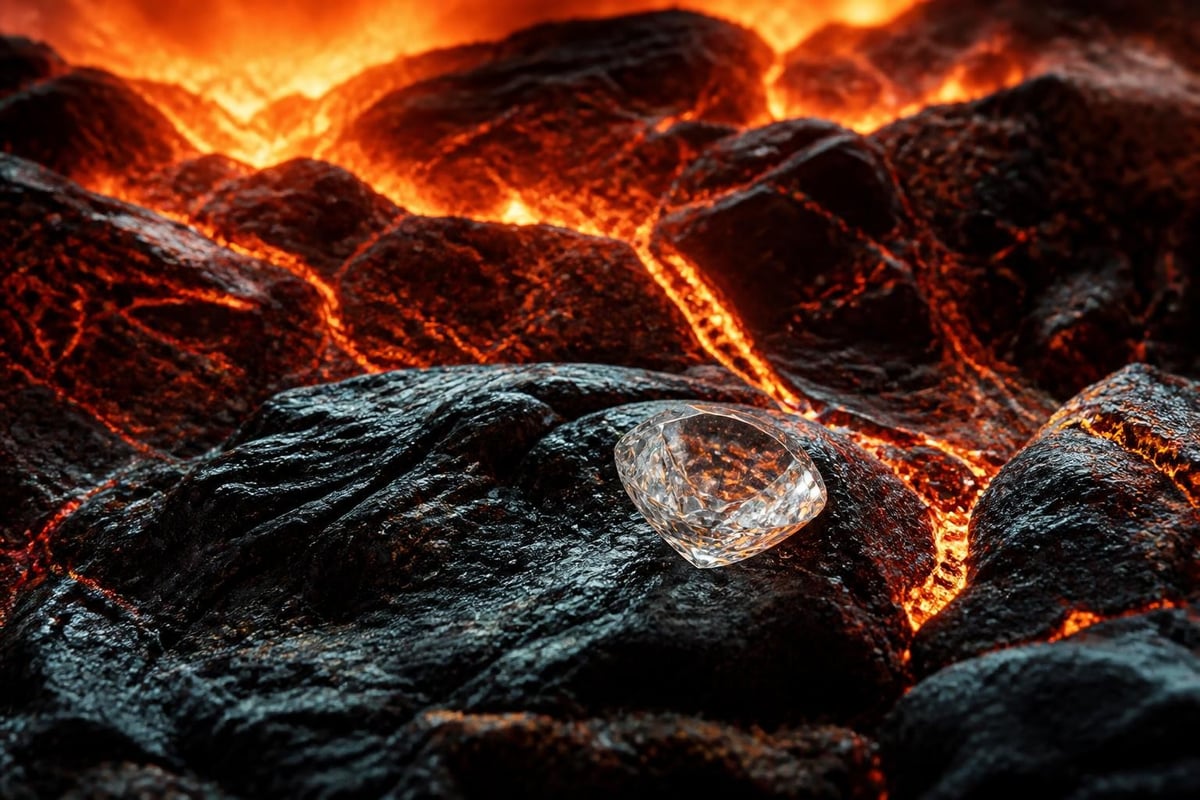
The formation of diamond precious stones is one of nature's most extraordinary processes. These crystals develop approximately 100 miles beneath the Earth's surface, where temperatures exceed 2000 degrees Fahrenheit and pressures reach millions of pounds per square inch. Carbon atoms arrange themselves in a perfectly symmetrical cubic structure, creating the hardest naturally occurring substance known to science.
Physical Properties That Define Excellence
Diamond precious stones possess unique physical characteristics that distinguish them from all other gemstones. According to detailed information on diamond physical properties, these gems achieve a perfect 10 on the Mohs hardness scale, making them exceptionally durable for daily wear. This hardness, combined with their high refractive index of 2.42, creates the signature brilliance and fire that captivates observers.
The specific gravity of diamond precious stones ranges from 3.50 to 3.53, providing gemologists with a reliable identification method. Their thermal conductivity surpasses all other gemstones, which is why professional jewelers often use thermal testers for authentication. Understanding these scientific properties helps collectors appreciate the remarkable nature of these stones beyond their aesthetic appeal.
Evaluating Quality in Diamond Precious Stones
The assessment of diamond precious stones relies on comprehensive grading systems that examine multiple quality factors. The internationally recognized Four Cs provide a standardized framework for evaluation, ensuring transparency and consistency across the industry.
The Four Cs Framework
Cut Quality The cut of diamond precious stones determines how effectively light interacts with the crystal structure. Master cutters analyze each rough stone to maximize brilliance and minimize weight loss. Proportions, symmetry, and polish quality all contribute to the final grade, with excellent cuts commanding premium prices.
Color Grading
- D-F: Colorless range, most valuable
- G-J: Near colorless, excellent value
- K-M: Faint color, budget-friendly options
- N-Z: Very light to light color
Clarity Assessment Internal characteristics and surface features affect the purity of diamond precious stones. Gemological laboratories examine stones under 10x magnification to identify inclusions and blemishes. The clarity scale ranges from Flawless (FL) to Included (I3), with each grade significantly impacting value and appearance.
Carat Weight Weight directly influences the pricing structure of diamond precious stones. However, two stones of identical weight may have dramatically different values based on their cut, color, and clarity grades. Understanding carat weight in context with other quality factors ensures intelligent purchasing decisions.
| Carat Range | Average Diameter | Relative Rarity | Price Multiplier |
|---|---|---|---|
| 0.50-0.75 | 5.2-5.9mm | Common | 1.0x |
| 1.00-1.25 | 6.5-6.9mm | Moderate | 2.5x |
| 2.00-2.50 | 8.2-8.8mm | Rare | 6.0x |
| 3.00+ | 9.3mm+ | Very Rare | 12.0x+ |
Ethical Sourcing and Diamond Origins
The provenance of diamond precious stones has become increasingly important to conscientious consumers. Modern buyers seek assurance that their purchases support ethical mining practices and conflict-free supply chains. Comprehensive information about diamond sources reveals the variety of options available today.
Traditional Mining Sources
Several countries produce the majority of the world's diamond precious stones through established mining operations. Botswana, Russia, Canada, and Australia maintain rigorous environmental and labor standards, offering traceable stones with verifiable origins. These sources provide natural diamonds with complete documentation and certification.
The mining industry has implemented significant improvements in recent decades. Companies now prioritize community development, environmental restoration, and worker safety. Transparent supply chains allow consumers to trace their diamond precious stones from mine to market.
Contemporary Alternatives
Laboratory-grown diamond precious stones represent an innovative addition to the marketplace. These crystals possess identical physical, chemical, and optical properties to mined diamonds, as detailed in resources about diamond composition. Advanced technology replicates natural formation processes in controlled environments, producing ethically certain stones at accessible price points.
For those considering modern options, our lab-grown diamond tennis necklace buying guide provides comprehensive insights into these contemporary choices.
Investment Value and Market Dynamics
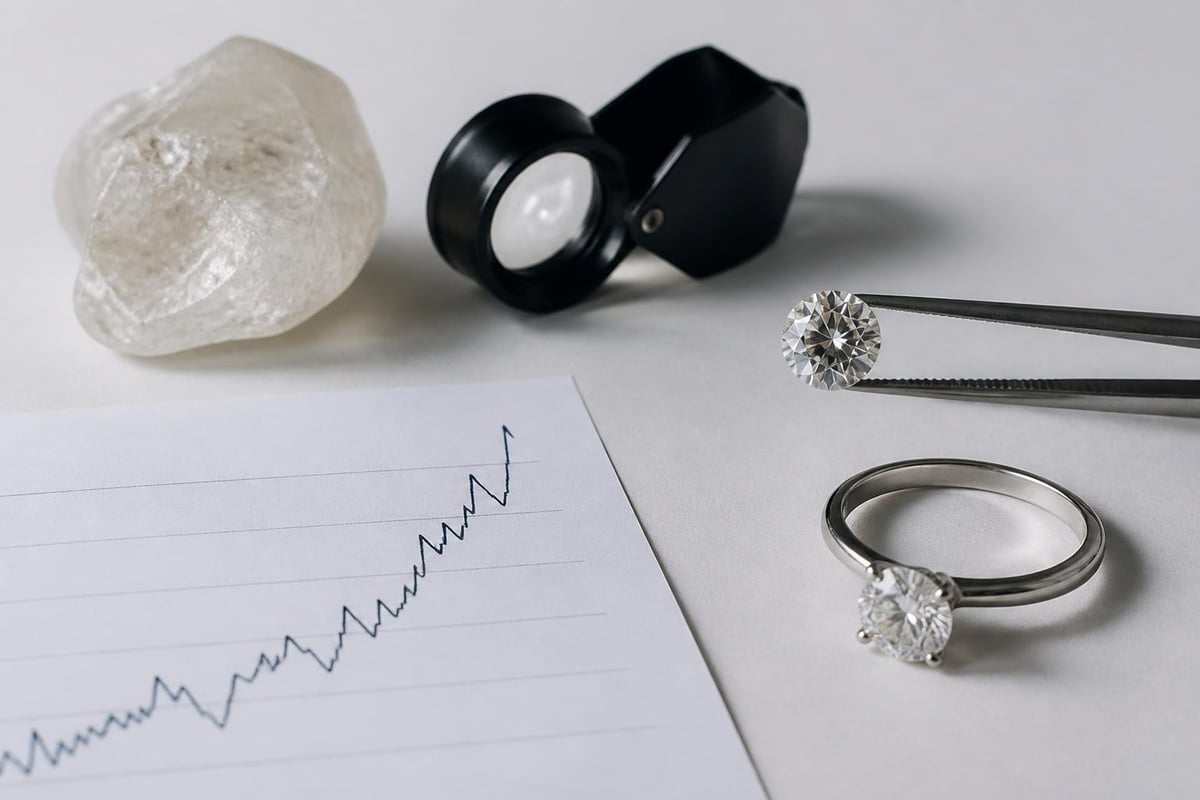
Diamond precious stones have historically maintained strong value retention, making them both beautiful adornments and potential investments. Understanding market factors helps collectors make strategic acquisition decisions that balance aesthetic preferences with financial considerations.
Factors Influencing Long-Term Value
Rarity and Size Larger diamond precious stones with exceptional quality grades become exponentially rarer. A three-carat stone of superior quality may be worth significantly more than three one-carat stones of similar grades. This rarity premium increases dramatically above certain weight thresholds, particularly at one, two, and five carats.
Certification and Documentation Gemological reports from respected laboratories add credibility and value to diamond precious stones. Reports from GIA, AGS, and other recognized institutions provide independent verification of quality characteristics. Detailed diamond value and pricing information explains how certification impacts market positioning.
Market Trends
- Fancy colored diamonds showing strongest appreciation
- Ideal cut proportions commanding premium pricing
- Sustainable sourcing increasing in importance
- Vintage and estate pieces gaining collector interest
Strategic Acquisition Considerations
Collectors building portfolios of diamond precious stones should prioritize quality over size when budget constraints exist. A smaller stone with superior cut, color, and clarity grades typically appreciates better than larger stones with compromised characteristics. This principle applies equally to acquisition decisions at La Maison Val D'or, where curated selections emphasize exceptional quality.
The timing of purchases can influence value retention. Market fluctuations affect diamond precious stones differently based on their specific characteristics. Rare colored diamonds and exceptionally large stones tend to be less affected by market downturns than common qualities.
Design Applications in Fine Jewelry
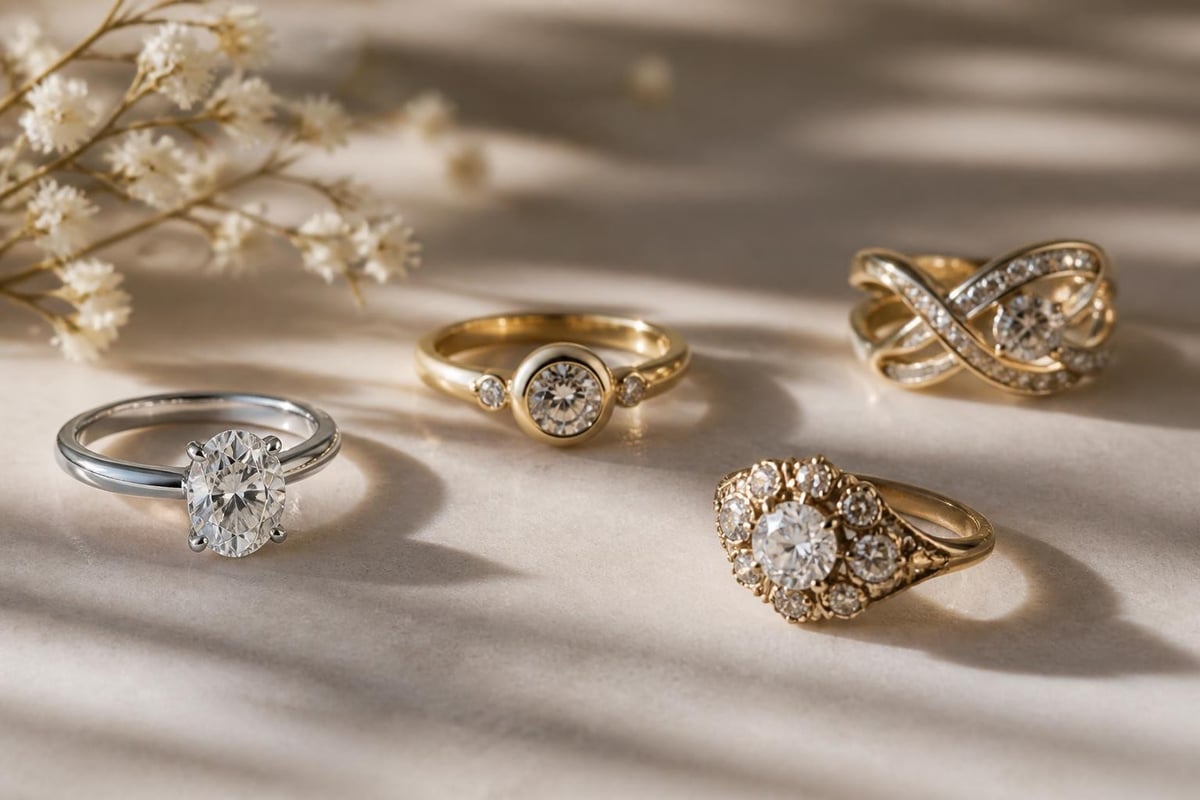
Diamond precious stones achieve their ultimate expression when expertly set in fine jewelry designs. The versatility of these gems allows master jewelers to create pieces ranging from classic solitaires to elaborate statement creations.
Classic Settings That Showcase Brilliance
Solitaire Designs The timeless solitaire setting allows diamond precious stones to command full attention without distraction. Prong settings maximize light entry, enhancing brilliance and fire. This classic approach has remained popular for generations because it celebrates the inherent beauty of the center stone.
Halo Configurations Surrounding center diamond precious stones with smaller accent diamonds creates visual impact and enhances perceived size. Well-executed halo designs complement the center stone rather than overwhelming it, adding dimension and sparkle to the overall composition.
Three-Stone Arrangements Representing past, present, and future, three-stone settings showcase multiple diamond precious stones in harmonious balance. The center stone typically weighs more than the side stones, creating visual emphasis while maintaining symmetry.
| Setting Style | Light Performance | Durability | Maintenance | Best For |
|---|---|---|---|---|
| Prong | Excellent | Good | Moderate | Maximum brilliance |
| Bezel | Very Good | Excellent | Low | Active lifestyles |
| Pavé | Excellent | Fair | High | Maximum sparkle |
| Channel | Good | Excellent | Low | Clean lines |
Contemporary Design Innovations
Modern jewelry designers continue pushing creative boundaries with diamond precious stones. Invisible settings create seamless surfaces of diamonds without visible metal. Tension settings suspend stones between metal bands using precise engineering. These innovative techniques demonstrate the ongoing evolution of diamond jewelry design.
Care and Maintenance of Diamond Precious Stones
Proper care ensures that diamond precious stones maintain their brilliance for generations. Although these gems are incredibly durable, they still require appropriate handling and regular maintenance to preserve their beauty.
Daily Care Practices
Storage Protocols
- Store each piece separately to prevent scratching other jewelry
- Use soft cloth pouches or lined jewelry boxes
- Keep away from harsh chemicals and extreme temperatures
- Remove during physical activities despite hardness
Cleaning Routines Diamond precious stones accumulate oils, lotions, and everyday residue that diminish their sparkle. Regular cleaning with warm water and mild dish soap restores brilliance. Soft-bristled brushes remove buildup from beneath settings without damaging the metal or stone.
Professional Maintenance
Annual inspections by qualified jewelers identify potential issues before they become serious problems. Loose prongs, worn settings, and damaged metalwork can be addressed proactively, protecting valuable diamond precious stones from loss or damage. Professional ultrasonic cleaning removes stubborn buildup that home methods cannot address.
Color Variations and Fancy Diamonds
While most people associate diamond precious stones with colorlessness, nature occasionally produces spectacular colored varieties. These fancy colored diamonds represent some of the rarest and most valuable gemstones in existence.
The Fancy Color Spectrum
Natural Color Formation Trace elements and structural anomalies create the colors in fancy diamond precious stones. Nitrogen produces yellow hues, boron creates blue tones, and radiation exposure can result in green coloration. The intensity and distribution of color dramatically affect value, with vivid and intense grades commanding the highest prices.
Rarity Hierarchy
- Red diamonds (extraordinarily rare)
- Blue diamonds (highly valuable)
- Pink diamonds (increasingly scarce)
- Green diamonds (naturally rare)
- Orange diamonds (uncommon)
- Yellow diamonds (most accessible fancy color)
The market for colored diamond precious stones has shown remarkable strength in recent years. As natural sources of certain colors diminish, values continue appreciating. Pink diamonds from Australia's Argyle mine, which ceased production in 2020, have become particularly sought after by collectors.
Historical Significance and Cultural Impact
Throughout history, diamond precious stones have symbolized power, wealth, and eternal love. Their journey from ancient India to global prominence reflects humanity's enduring fascination with these exceptional gems.
Historical Milestones
Ancient civilizations valued diamond precious stones for their perceived mystical properties and unmatched hardness. Indian texts from the fourth century BCE describe diamonds as valuable treasures. The Roman naturalist Pliny the Elder documented diamonds as the most valuable of all precious stones, a sentiment that has endured through millennia.
The modern diamond industry emerged in the late nineteenth century following major discoveries in South Africa. These finds transformed diamond precious stones from rare curiosities owned by royalty into symbols of romantic commitment accessible to broader populations. Marketing campaigns in the twentieth century cemented their association with engagement and marriage.
Cultural Symbolism
Different cultures attribute various meanings to diamond precious stones beyond their material value. Western traditions emphasize their representation of eternal love and commitment. Eastern philosophies associate them with spiritual clarity and enlightenment. This universal appeal transcends geographical and cultural boundaries, making diamonds truly global treasures.
Authentication and Certification Standards
Verifying the authenticity and quality of diamond precious stones requires specialized knowledge and equipment. Professional certification provides confidence and documentation for valuable purchases.
Gemological Laboratory Reports
Reputable laboratories examine diamond precious stones using standardized procedures and advanced equipment. These reports detail the Four Cs plus additional characteristics like fluorescence, proportions, and finish quality. The documentation serves as a permanent record of the stone's characteristics at the time of examination.
Key Certification Elements
- Unique report number for verification
- Detailed plotting of internal characteristics
- Precise measurements and proportions
- Color and clarity grade assignments
- Cut quality assessment for round brilliants
- Photographic documentation for larger stones
Advanced Testing Methods
Gemologists use sophisticated instruments to distinguish natural diamond precious stones from simulants and synthetic alternatives. Spectroscopy reveals characteristic absorption patterns unique to natural diamonds. Thermal conductivity testers provide quick preliminary screening. These scientific methods protect consumers and maintain market integrity.
Market Trends Shaping the Future
The market for diamond precious stones continues evolving in response to technological advances, changing consumer preferences, and global economic factors. Understanding these trends helps collectors make informed decisions aligned with long-term value considerations.
Sustainability and Transparency
Modern consumers increasingly prioritize ethical sourcing and environmental responsibility. The industry has responded with enhanced traceability systems that document the journey of diamond precious stones from mine to market. Blockchain technology and detailed provenance documentation provide unprecedented transparency.
Technology Integration
Advanced manufacturing techniques produce laboratory-grown diamond precious stones that are physically and chemically identical to mined diamonds. According to scientific research on diamond properties, these stones exhibit the same crystal structure and characteristics. This technological capability expands consumer choice while addressing ethical concerns.
Shifting Demographics
Younger buyers approach diamond precious stones with different priorities than previous generations. They value uniqueness, ethical sourcing, and personal meaning alongside traditional quality factors. This shift has increased demand for fancy colored diamonds, vintage pieces, and custom designs that reflect individual style.
Diamond precious stones embody nature's most spectacular achievement in crystalline perfection, combining unmatched physical properties with timeless aesthetic appeal. Whether you seek a classic engagement ring centerpiece, a statement necklace featuring multiple carats, or investment-grade colored diamonds, understanding quality factors and market dynamics ensures confident decision-making. La Maison Val D'or offers expertly curated collections of exceptional diamond precious stones, each selected for superior quality and timeless elegance, helping discerning collectors find pieces that will be treasured for generations to come.